Our company excels in providing innovative and efficient equipment solutions. The ripper motor grader represents our focus on versatility and cost-saving technology for our clients. We identify and source machinery that offers tangible operational advantages, such as combining multiple functions into one robust platform. Our global network ensures that contractors worldwide have access to these smart equipment solutions, supported by our expertise and commitment to improving their bottom line.
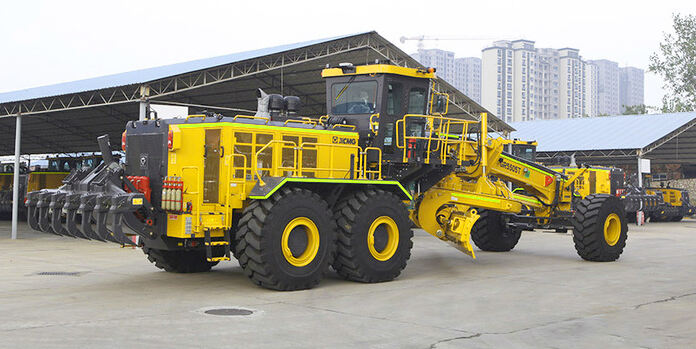
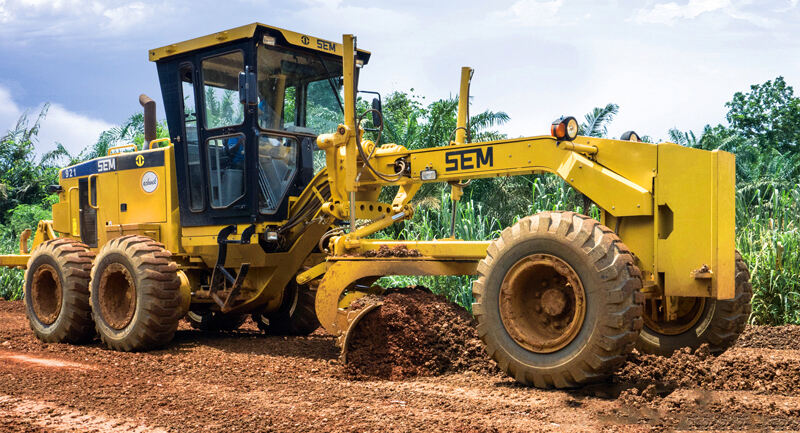
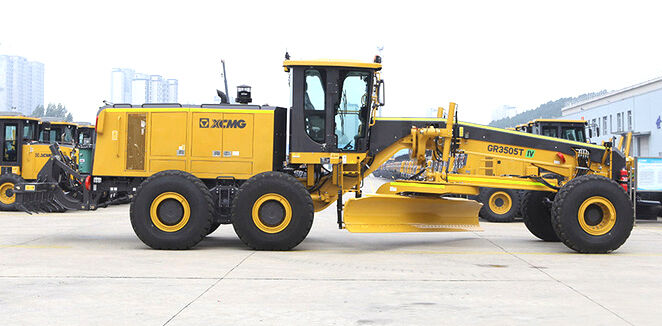
The ripper motor grader is the embodiment of integrated efficiency, a dual-purpose machine that conquers the hardest challenges any construction site can present. It eliminates the need for a separate ripping machine, streamlining operations and boosting productivity. Its exceptional value proposition is built upon the seamless interplay of three key components: the powerful diesel engine that provides the necessary force, the heavy-duty chassis structure that withstands the extreme stresses of ripping, and the specialized optional ripper attachment that defines its capability.
The powerful diesel engine in a ripper motor grader has a significantly higher demand placed upon it than in a standard grader. It must be a high-torque engine designed for relentless power delivery under extreme load. Its primary tasks are twofold: first, to provide the kinetic energy to propel the machine itself, often while climbing a grade; and second, to supply the hydraulic and mechanical power to perform work simultaneously at both ends of the machine. It must drive the hydraulic pumps that control the front moldboard while also powering the separate high-pressure hydraulic circuit that raises, lowers, and holds the rear ripper in the ground. The act of ripping requires immense torque from the drivetrain to pull the shanks through resistant material. The engine is coupled with a heavy-duty powershift transmission that allows the operator to select a low, powerful gear specifically for ripping operations, ensuring the engine operates in its optimal power band without stalling. This setup provides the immense traction and pulling power essential for the machine's dual function.
The intense forces generated during ripping necessitate a heavy-duty chassis structure that goes beyond standard grading duties. When the ripper teeth are engaged and being pulled through compacted material, they generate tremendous shock loads and reactive forces that travel directly into the grader's main frame. A standard chassis would be susceptible to metal fatigue, weld cracks, and premature failure. The ripper grader's chassis is specifically reinforced at all critical points, particularly around the rear section where the ripper is mounted and at the articulation joint. The frame is designed to be incredibly rigid to resist torsional flex, which is crucial because any flex during ripping would absorb energy and reduce ripping efficiency while also potentially affecting the front blade's stability. This reinforced structure ensures durability and reliability, allowing the machine to endure the punishing cycle of ripping year after year without compromising its structural integrity or its precision grading capabilities.
The defining feature, the optional ripper, is itself a robust system, not a simple add-on. It consists of a strong, fabricated yoke that is raised and lowered by two large-bore hydraulic cylinders. Multiple ripper shanks, made from high-strength alloy steel with replaceable tips, are mounted onto the yoke. The depth of penetration for each shank can often be controlled individually, allowing the operator to adapt to varying soil conditions across the width of the cut. A critical feature on many rippers is a "hipp" mechanism, which allows the shank to automatically recoil upwards if it strikes an immovable obstacle, protecting the entire assembly from catastrophic damage. The strategic placement at the rear is intentional: it allows the machine to rip a section of ground and then immediately grade the loosened material with the front blade in the same pass or subsequent passes. This integration is the core of its productivity, making the ripper motor grader an incredibly efficient and cost-effective solution for tough grading applications.

 EN
EN