
 EN
EN
Industry Demand Analysis
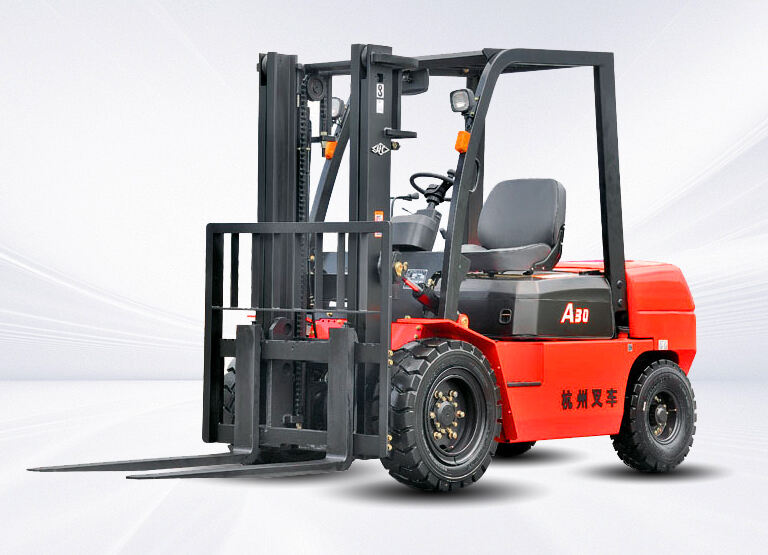
As industries expand and warehouse operations grow more complex, the demand for efficient, safe, and sustainable material handling equipment has intensified. Procurement managers must understand these evolving needs to select machinery that aligns with operational goals. A solution that has gained significant traction is the counterbalance forklift, a versatile workhorse in modern logistics and manufacturing.
Modern warehouses, distribution centers, and manufacturing plants face mounting pressure to improve throughput while adhering to safety and sustainability standards. Traditional internal combustion (IC) forklifts, which rely on diesel or gasoline, emit exhaust gases and require frequent refueling, creating environmental hazards (e.g., indoor air pollution) and operational inefficiencies (e.g., fuel costs, ventilation requirements). In contrast, electric counterbalance forklifts eliminate tailpipe emissions, making them ideal for indoor use and aligning with corporate sustainability goals (e.g., carbon neutrality) and regulatory mandates (e.g., emission control zones).
Operational efficiency is another key driver. Businesses require forklifts that can transport heavy loads quickly and safely across diverse environments. Counterbalance forklifts excel in this regard, offering high-speed maneuverability and robust lifting performance (typically ranging from 1.5 to 5 tons or more). They enable operators to complete tasks efficiently—whether loading/unloading trucks, stacking pallets, or moving materials across production lines—while maintaining workplace safety. Facilities with narrow aisles or high-density storage systems (e.g., automated racking) further demand equipment with precise control and flexible functionality to maximize space utilization.
Versatility is equally critical. Modern operations handle a wide range of materials, from standard palletized goods to irregularly shaped equipment (e.g., machinery parts, cartons). Counterbalance forklifts address this need through optional attachments (e.g., side shifters, fork positioners, clamps, rotators), enabling them to adapt to specialized tasks without requiring separate machines. This flexibility reduces capital expenditures and streamlines workflow by consolidating multiple functions into a single platform.
In summary, the growing complexity of logistics and manufacturing—driven by demands for speed, safety, sustainability, and adaptability—has elevated the counterbalance forklift as a core solution. Its ability to combine emission-free operation, high productivity, and task versatility makes it indispensable for contemporary industrial environments.
Product Features
The counterbalance forklift is engineered to deliver efficiency, safety, and versatility in material handling. Its standout features—zero-emission electric operation, high travel speed, and functional expansion through attachments—address the core challenges of modern warehouses and production facilities.
Zero-Emission Electric Operation
Electric counterbalance forklifts are powered by advanced battery systems (e.g., lithium-ion or lead-acid), producing no tailpipe emissions. This makes them ideal for indoor operations (e.g., cold storage, food processing, pharmaceutical warehouses), where air quality and worker health are prioritized. By eliminating exhaust fumes, they reduce ventilation costs, mitigate health risks (e.g., respiratory issues), and ensure compliance with stringent environmental regulations (e.g., LEED certification, EU emission standards). Additionally, electric drivetrains are energy-efficient, consuming up to 30% less power than IC forklifts for equivalent tasks, which translates to lower operating costs (e.g., reduced electricity bills) and a smaller carbon footprint.
High Travel Speed
Speed and responsiveness are critical in fast-paced environments. Counterbalance forklifts combine robust lifting capacity with high travel speeds (up to 20 km/h or more), enabling operators to move materials swiftly between loading docks, storage racks, and processing zones. Advanced drive control systems (e.g., regenerative braking, torque sensors) ensure smooth acceleration, deceleration, and cornering, even under heavy loads. This minimizes the risk of accidents (e.g., collisions, tip-overs) while maintaining workflow continuity. High-speed maneuverability enhances productivity without compromising stability, making these forklifts suitable for both indoor precision tasks and outdoor utility work.
Optional Attachments for Functional Expansion
A defining advantage of counterbalance forklifts is their modular design, which supports a wide range of optional attachments to extend functionality. Common attachments include:
-
•
Side shifters: Adjust fork position laterally for precise load alignment.
-
•
Fork positioners: Automatically vary fork spacing to accommodate different pallet sizes.
-
•
Carton clamps: Handle non-palletized goods (e.g., boxes, cartons) without damage.
-
•
Rotators: Enable 360° rotation for tasks like dumping or stacking.
These attachments allow a single forklift to perform multiple specialized tasks (e.g., multi-pallet transport, load stabilization, delicate material handling), reducing the need for dedicated machines. Quick-install designs minimize downtime during transitions, ensuring operational flexibility and maximizing return on investment.
Safety and Ergonomics
Operator well-being is prioritized through ergonomic features such as:
-
•
Adjustable seats and steering columns to fit diverse operator needs.
-
•
Intuitive control layouts (e.g., digital displays, ergonomic joysticks) for reduced cognitive load.
-
•
Stability systems (e.g., tilt sensors, load backrests) to prevent tip-overs during heavy lifts.
Electric models operate quietly (noise levels < 70 dB), reducing workplace noise pollution and stress. Integrated sensors and warning systems (e.g., proximity alerts, overload indicators) enhance safety in high-density or high-speed operations.
By integrating zero-emission power, high-speed performance, and adaptable functionality, counterbalance forklifts meet the demands of modern logistics and manufacturing while ensuring safety, efficiency, and compliance.
Selection Recommendations
Selecting the right counterbalance forklift requires a tailored evaluation of operational requirements, facility constraints, and material handling needs. Key considerations include:
Assessing Load Requirements
Determine the maximum weight, dimensions, and type of materials (e.g., pallets, machinery, irregular loads) to be handled. Choose a forklift with adequate lifting capacity (e.g., 2–5 tons for general warehousing, up to 10+ tons for heavy industry) to ensure safety and avoid equipment strain. Overestimating capacity leads to unnecessary costs, while underestimating it compromises efficiency and risks accidents.
Evaluating Facility Layout
Analyze warehouse size, aisle width, and storage configurations (e.g., narrow aisles, high racks). For facilities with tight spaces (e.g., < 2.5m aisles), electric counterbalance forklifts with compact designs and precise steering (e.g., 3-wheel models) are ideal. High travel speed and maneuverability in confined areas reduce operational delays and enhance throughput.
Considering Optional Attachments
Identify the types of tasks (e.g., carton handling, multi-pallet transport, load rotation) and potential need for attachments. Select a forklift with a universal attachment interface (e.g., ISO-standard carriage) to support future scalability. This reduces the need for specialized machines and lowers long-term capital expenditures.
Power Source Selection
-
•
Electric models are preferred for indoor operations due to zero emissions, quiet operation, and lower maintenance (e.g., no oil changes). They are ideal for cold storage, food processing, and urban warehouses.
-
•
Hybrid or IC models may be suitable for outdoor tasks (e.g., construction sites, ports) requiring higher torque or longer runtime, but they come with higher emissions and noise levels.
Operator Considerations
Prioritize ergonomic design (e.g., cushioned seats, anti-vibration controls) and user-friendly controls to reduce operator fatigue and errors. Features like adjustable mirrors, climate control cabs (for extreme environments), and intuitive displays enhance comfort and safety, boosting productivity.
By systematically evaluating these factors, procurement managers can select a counterbalance forklift that balances immediate operational needs with long-term strategic goals, ensuring reliability, safety, and adaptability.
Procurement Process
A structured procurement process ensures cost-effective acquisition and operational readiness of counterbalance forklifts. Key steps include:
Supplier Evaluation
Identify reputable suppliers or manufacturers with proven expertise in industrial forklifts. Evaluate criteria such as:
-
•
Warranty terms (e.g., 1–3 years for electric models).
-
•
After-sales service (e.g., 24/7 technical support, on-site repairs).
-
•
Spare parts availability and delivery timelines to minimize downtime.
-
•
Delivery reliability and installation support.
Engaging suppliers with a track record in your industry (e.g., cold storage, heavy manufacturing) ensures compatibility and post-purchase support.
Quotation and Comparison
Request detailed quotations from multiple suppliers, including:
-
•
Base price and optional attachment costs.
-
•
Technical specifications (e.g., lifting capacity, battery life, travel speed).
-
•
Service agreements (e.g., maintenance packages, training).
Compare quotes to ensure alignment with budget constraints and operational requirements.
Inspection and Trial
Conduct an on-site trial or demonstration to evaluate:
-
•
Performance (e.g., speed, lifting stability).
-
•
Ergonomics (e.g., operator comfort, control responsiveness).
-
•
Safety features (e.g., braking systems, warning alerts).
Testing in the actual facility ensures compatibility with aisle layouts, load types, and workflow demands.
Purchase and Delivery
Finalize a formal purchase agreement covering:
-
•
Delivery schedules (e.g., phased rollout for large fleets).
-
•
Installation (e.g., battery charging stations, forklift setup).
-
•
Operator training (e.g., safety protocols, attachment use) to maximize functionality and minimize risks.
Post-Purchase Support
Establish a service agreement with the supplier for:
-
•
Routine maintenance (e.g., battery checks, tire rotations).
-
•
Spare parts supply (e.g., brushes, hydraulic components).
-
•
Technical assistance (e.g., troubleshooting, software updates for smart forklifts).
Proactive support extends the forklift’s operational life and ensures consistent performance, maximizing return on investment.
By following this structured approach, companies can acquire counterbalance forklifts that are cost-effective, safe, and tailored to their operational needs, driving efficiency and competitiveness in material handling.