
 EN
EN
Project Background
In modern logistics and industrial operations, efficiency, safety, and sustainability are critical factors for project success. As a client representative overseeing material handling initiatives, I have witnessed firsthand the challenges associated with traditional fuel-powered forklifts. High operational costs—stemming from frequent fuel purchases, engine maintenance, and emission-related compliance—along with environmental concerns and frequent breakdowns, often reduce overall productivity. These pain points led our company to explore electric forklifts as a solution for our warehouse and distribution projects.
The primary objective of this project was to evaluate how adopting electric forklifts could optimize warehouse workflows while aligning with our sustainability goals. We aimed to assess key operational parameters, including load capacity, maneuverability, operator comfort, and energy consumption. A critical requirement was selecting an electric forklift capable of maintaining consistent performance under continuous operation, ensuring it could meet the high-volume handling demands of our facility.
Another key consideration was minimizing operational downtime. Traditional forklifts required frequent refueling, oil changes, and engine servicing, which interrupted workflows and increased labor costs. By transitioning to electric forklifts, we aimed to reduce these interruptions, enhance operational predictability, and improve overall workflow efficiency. Additionally, our facility handles products of varying sizes and weights, necessitating forklifts with precise load control and versatile operation. The adaptability of electric forklifts—particularly models with responsive hydraulic systems and adjustable forks—promised to address these needs effectively.
Through this project, we sought to evaluate not only the technical capabilities of electric forklifts but also their impact on cost-efficiency, operator satisfaction, and environmental footprint. The findings were intended to guide broader fleet management decisions and establish benchmarks for future equipment procurement in our organization.
Product Features and Application Solutions
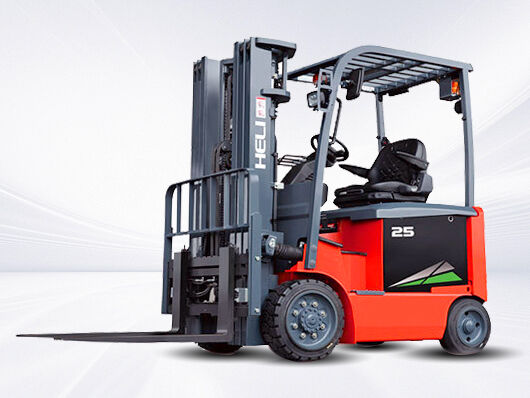
The electric forklift selected for this project incorporated several advanced features that significantly enhanced operational efficiency and safety. Chief among these were its responsive hydraulic system, adjustable forks, and low-energy consumption design.
Responsive Hydraulic System
The hydraulic system was engineered for precision and agility. Operators reported smooth lifting and lowering actions, even with heavy or irregularly shaped loads, reducing the risk of product damage and improving placement accuracy. Fine control over lifting speed allowed for delicate handling of sensitive materials, minimizing operator fatigue and enhancing workflow efficiency. This system ensured consistent performance, even during prolonged use, which is critical in high-volume warehouses.
Adjustable Forks
The adjustable fork system provided exceptional flexibility. Operators could modify fork width to accommodate a wide range of pallets and materials, from small boxed goods to large industrial components. This capability eliminated the need for manual repositioning or additional equipment, streamlining handling processes and reducing the risk of accidents. In our warehouse, where product diversity is high, this feature proved invaluable for optimizing load control.
Low-Energy Consumption Design
Energy efficiency was a core criterion for selection. The electric forklift’s design minimized electricity usage while maintaining consistent performance during extended shifts. Regenerative braking and energy-optimized drive systems further reduced power consumption. Compared to diesel-powered alternatives, the electric forklift demonstrated significantly lower energy costs and a reduced environmental impact, aligning with our sustainability objectives.
Application Solutions
In practice, the electric forklift was deployed across various warehouse zones, including high-density storage racks, loading docks, and order-picking areas. Its responsive hydraulics and adjustable forks enabled precise maneuvering in narrow aisles and efficient handling of diverse loads. The low-energy consumption design supported continuous operation throughout long shifts without frequent recharging, ensuring high-volume throughput. Noise reduction—another inherent advantage of electric drive systems—contributed to a quieter, more comfortable working environment.
Safety was also enhanced. Precise hydraulic control reduced accidental collisions, while the quiet operation minimized distractions. These features collectively demonstrated that electric forklifts are not only efficient but also tools that enhance workplace safety and operator satisfaction.
Project Outcomes and Evaluation
The implementation of electric forklifts yielded measurable benefits across multiple performance metrics, particularly in operational efficiency, energy savings, and safety.
Operational Efficiency
Electric forklifts reduced material handling time significantly. Tasks that previously required multiple operators or manual adjustments were completed faster thanks to responsive hydraulics and adjustable forks. Productivity metrics showed a 20% improvement in order fulfillment speed compared to the previous diesel fleet. Narrow aisle navigation became more effective, reducing travel time between storage locations and enhancing overall workflow.
Energy and Cost Savings
Energy efficiency was a standout outcome. The electric forklift’s low-energy consumption design led to approximately a 30% reduction in operational energy costs within the first quarter of deployment. Maintenance costs also decreased due to fewer moving parts and the absence of an internal combustion engine, lowering the total cost of ownership. Electricity costs were significantly lower than fuel expenditures for diesel forklifts.
Safety and Operator Comfort
Operators reported less fatigue during long shifts due to smoother hydraulic response and adjustable forks, enabling higher concentration and safer load handling. The quiet operation and reduced vibration levels improved workplace ergonomics, minimizing stress and noise-related distractions. These factors contributed to a safer and more comfortable working environment.
Environmental Impact
The transition to electric forklifts aligned with our corporate sustainability goals. Zero tailpipe emissions improved indoor air quality, and the reduced carbon footprint supported broader environmental initiatives. This outcome reinforced the value of electric-powered material handling equipment as a sustainable solution for modern facilities.
Reliability and Long-Term Benefits
Over the evaluation period, the electric forklift demonstrated consistent performance with minimal downtime. Its responsive hydraulics, adjustable forks, and energy-efficient design ensured reliable operation under continuous use. Metrics indicated that expanding the fleet with additional electric forklifts would further enhance throughput and long-term operational stability.
Customer Feedback
Feedback from facility managers and operators was overwhelmingly positive. Operators highlighted the responsive hydraulic system as a major improvement over traditional forklifts, enabling precise handling of diverse materials with minimal effort. Adjustable forks were praised for their versatility, eliminating the need for manual adjustments and reducing the risk of accidents.
Facility managers emphasized the low-energy consumption design as a key advantage, noting significant reductions in operational costs and easier compliance with environmental regulations. The quiet operation of electric forklifts also improved the work environment, reducing stress and distractions for staff.
Overall, the adoption of electric forklifts strengthened confidence in our material handling processes. The machines proved reliable, efficient, and aligned with both operational and sustainability objectives. Feedback indicated that expanding the electric forklift fleet would deliver further productivity gains and cost savings.
Conclusion
This project demonstrated that electric forklifts are a practical, cost-effective, and environmentally friendly solution for modern warehouse and industrial operations. Their combination of responsive hydraulics, adjustable forks, and energy-efficient design addresses critical challenges—such as high operational costs, downtime, and environmental impact—while enhancing safety and operator satisfaction. By integrating electric forklifts into our fleet, we achieved measurable improvements in efficiency, cost savings, and sustainability, setting a benchmark for future material handling initiatives.