
 EN
EN
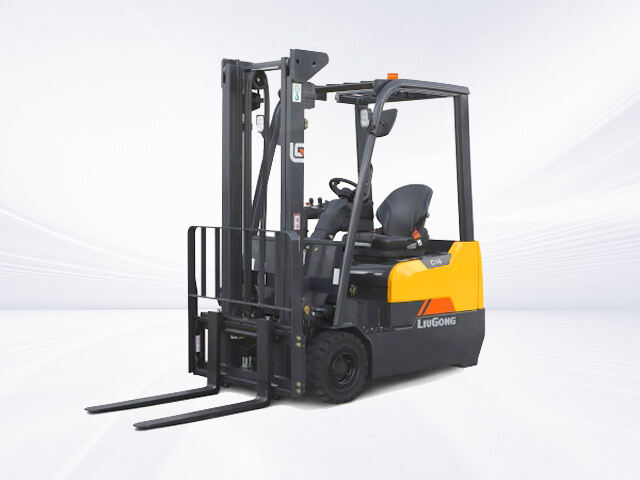
Pre-Purchase Considerations
When businesses plan to invest in a forklift, several key questions arise that directly influence the purchasing decision. As a client consultant, I often guide customers through these considerations to ensure the selected equipment aligns with their operational needs. One of the foremost concerns is load capacity. Different operations—ranging from lightweight package handling in distribution centers to heavy pallet transport in steel warehouses—require varying lifting strengths. Selecting a forklift with adequate capacity ensures both safety and operational efficiency. Overestimating capacity leads to unnecessary costs, while underestimating it compromises workplace safety and risks equipment failure.
Another critical factor is maneuverability. In environments like warehouses or retail storage areas, where space is limited and aisles are narrow, a forklift with a small turning radius is essential. Compact maneuverability enables operators to navigate tight spaces without accidents or delays. Customers should carefully evaluate their facility layout, including aisle width and storage density, to determine the optimal forklift dimensions and turning capabilities for seamless operation.
Power stability is equally vital. Businesses need a forklift that delivers consistent performance throughout long shifts, even under heavy loads. Unstable or inconsistent power output—whether from insufficient torque, battery drain, or fuel inefficiency—can disrupt workflows and create safety hazards. When assessing potential models, customers should examine engine performance (for diesel/LPG forklifts), battery life (for electric models), hydraulic system efficiency, and the suitability of the energy source (electric, diesel, or LPG) for their specific use case.
Additional pre-purchase considerations often include maintenance requirements, spare parts availability, and operator comfort. Features like adjustable seats, clear visibility, and ergonomic controls enhance operator efficiency and reduce fatigue. Equally important is evaluating long-term operational costs, including fuel consumption (or electricity usage for electric models), maintenance frequency, and repair expenses, to ensure the forklift delivers cost-effective performance over its lifecycle.
By thoroughly evaluating load capacity, turning radius, power stability, and operational requirements, businesses can confidently select a forklift tailored to their environment. Proper pre-purchase planning minimizes downtime, enhances productivity, and ensures the equipment meets both current and future demands.
Forklift Features Overview
Modern forklifts are versatile industrial vehicles engineered to lift, move, and position materials with precision and efficiency. Their design integrates features that prioritize productivity, safety, and ease of use. Among the most critical are strong load capacity, small turning radius, and stable power output.
Strong Load Capacity
Load capacity is the foundation of forklift functionality. Forklifts are built to handle heavy pallets, crates, and diverse materials, reducing reliance on manual labor and accelerating operational workflows. Advanced load-bearing components—such as reinforced frames, high-strength steel forks, and high-quality hydraulic systems—ensure consistent lifting performance even during continuous use. Safety mechanisms, including overload protection sensors and automatic braking systems, prevent accidents by restricting lifts beyond the forklift’s rated capacity. This makes forklifts suitable for handling everything from bulk industrial goods to fragile packaged items across industries like manufacturing, retail, and logistics.
Small Turning Radius
Maneuverability is paramount in confined spaces. Modern forklifts feature compact turning radii, enabled by optimized chassis designs and precise steering mechanisms (e.g., differential steering or 3-wheel configurations). This allows operators to navigate narrow aisles, tight corners, and congested storage areas without collisions or property damage. Such agility enhances traffic flow within facilities, reduces repositioning time, and improves overall productivity—especially in high-density warehouses or retail backrooms.
Stable Power Output
Stable power is essential for consistent performance under demanding conditions. Forklifts are powered by electricity (for indoor use), diesel (for heavy-duty outdoor tasks), or LPG (for balanced indoor/outdoor applications). Advanced hydraulic systems, responsive controls, and efficient engines ensure smooth torque delivery, precise lifting, and reliable acceleration/braking. Whether moving heavy loads vertically or transporting materials horizontally, stable power output minimizes operator fatigue and improves accuracy in placement tasks.
Additional Features
Modern forklifts also prioritize operator comfort and safety. Features like adjustable seats, vibration-dampening systems, and ergonomic controls reduce strain during long shifts. Safety enhancements—such as speed limiters, backup alarms, and proximity sensors—mitigate risks in busy environments. Maintenance is simplified through accessible components, standardized spare parts, and modular designs that minimize downtime.
By combining load-bearing strength, compact maneuverability, and stable power output, modern forklifts meet the rigorous demands of contemporary industrial operations while ensuring safety and efficiency.
In-Use Considerations
During daily operation, businesses must address practical questions about forklift performance under real-world conditions. Key considerations include load handling, maneuverability, power stability, and long-term reliability.
Load Handling and Safety
Operators must adhere to the forklift’s maximum rated load capacity to prevent tipping, structural damage, or hydraulic failure. Regular inspections of forks, masts, and hydraulic components are critical for safe operation. Advanced models often include overload sensors and automatic engine response adjustments (e.g., reduced speed when nearing capacity limits) to enhance safety. Proper load distribution and secure attachment of materials further minimize risks.
Maneuverability in Confined Spaces
A small turning radius is indispensable in crowded warehouses or production areas. Modern forklifts use precise steering systems (e.g., articulated front wheels or omni-directional wheels) and optimized wheel geometry to navigate tight spaces with minimal clearance. Understanding the forklift’s turning radius helps businesses design efficient layouts, reducing the risk of collisions with racking systems, walls, or other vehicles.
Power Stability and Reliability
Consistent power output is vital for intensive operations. Electric forklifts excel in indoor settings with quiet, emission-free performance, while diesel and LPG models provide robust torque for outdoor or heavy-duty tasks. Stable engines and hydraulic systems maintain performance during continuous load cycles, improving throughput and accuracy. Regular maintenance—such as battery recharging (electric), fuel system checks (diesel/LPG), and hydraulic fluid inspections—ensures long-term reliability.
Operator Comfort and Ergonomics
Long shifts demand ergonomic design. Features like adjustable seating, vibration-dampening systems, and responsive controls reduce operator fatigue, enhancing focus and reducing errors. Comfortable forklifts support sustained productivity and contribute to a safer working environment.
Maintenance and Parts Accessibility
Minimal downtime is achieved through standardized spare parts and global parts support. Forklifts with easily accessible components (e.g., modular hydraulic units, quick-release batteries) allow for quick repairs. Routine maintenance—such as tire inspections, brake checks, and engine servicing—should follow manufacturer guidelines to sustain performance.
Environmental Considerations
Indoor forklifts (typically electric) must prioritize low noise and zero emissions to comply with workplace air quality standards. Outdoor forklifts (diesel/LPG) should meet local emission regulations while delivering consistent power in challenging conditions (e.g., uneven terrain, extreme temperatures).
By addressing these operational factors, businesses can optimize forklift usage, ensure safety, and maintain high productivity. Proper training, routine maintenance, and equipment selection are key to maximizing the value of a forklift in daily operations.
Suitable Customer Groups
The modern forklift’s versatility makes it indispensable across a wide range of industries. Its core features—strong load capacity, small turning radius, and stable power output—cater to diverse operational environments.
Warehousing and Logistics Companies
Forklifts are essential for high-volume material movement in warehouses and distribution centers. Their ability to navigate narrow aisles and lift heavy pallets improves storage efficiency, accelerates order fulfillment, and reduces labor costs. Electric models are ideal for indoor use, while diesel/LPG variants handle outdoor yard operations.
Manufacturing Plants
Production facilities rely on forklifts to transport raw materials, components, and finished goods across assembly lines. Compact maneuverability and stable power output enable operations in crowded workshops, minimizing workflow disruptions and supporting just-in-time manufacturing.
Construction and Outdoor Industries
On construction sites or in outdoor material yards, forklifts provide robust lifting power for handling heavy materials (e.g., steel beams, concrete blocks) and equipment. Diesel/LPG models with enhanced traction and stability perform reliably on uneven terrain or in harsh weather conditions.
Rental and Equipment Suppliers
Equipment rental companies favor forklifts with standardized features, including stable engines, strong load capacity, and easy maintenance. These attributes ensure durability across multiple clients and use cases, making forklifts a high-demand asset in rental fleets.
In conclusion, forklifts serve as a cornerstone of modern industrial operations, meeting the needs of logistics, manufacturing, construction, and rental businesses. Their design—prioritizing safety, efficiency, and adaptability—ensures they remain a critical tool for businesses worldwide.