
 EN
EN
Customer Background
In today’s fast-paced construction and industrial environment, material handling efficiency is a critical determinant of operational success. As an investigative reporter, I recently interviewed representatives from Horizon Construction, a mid-sized construction company specializing in infrastructure and commercial projects. Horizon manages multiple sites simultaneously, including urban redevelopment initiatives and rural industrial installations. These projects often involve navigating complex environments—uneven terrain, densely populated workspaces, and tight deadlines—that demand highly adaptable and reliable material handling equipment.
For years, Horizon faced persistent challenges in ensuring the timely movement of materials across these varied conditions. Heavy loads (e.g., steel beams, concrete panels), awkwardly shaped construction components, and confined site layouts frequently hindered operational efficiency. The company’s management team recognized the need for equipment that could combine strength, precision, and operator convenience to overcome these hurdles. Their search for a solution ultimately centered on telescopic handler forklifts, which promised the versatility required for modern construction demands.
Horizon prioritized machinery that was not only durable and easy to operate but also adaptable to diverse tasks—from lifting heavy materials to reaching elevated work areas (e.g., multi-story building frameworks). Equally important was a focus on safety and ergonomic operation, particularly given the involvement of multiple operators across geographically dispersed sites. The company’s leadership emphasized the integration of technology (e.g., intelligent control systems, enhanced visibility) to maintain safety standards while boosting throughput. By investing in advanced telescopic handler forklifts, Horizon aimed to streamline project workflows, reduce downtime, and enhance both worker productivity and satisfaction. The following sections explore how these forklifts have been leveraged to optimize operations, based on insights shared by Horizon’s engineering and operations teams.
Usage Scenarios Combining Product Features
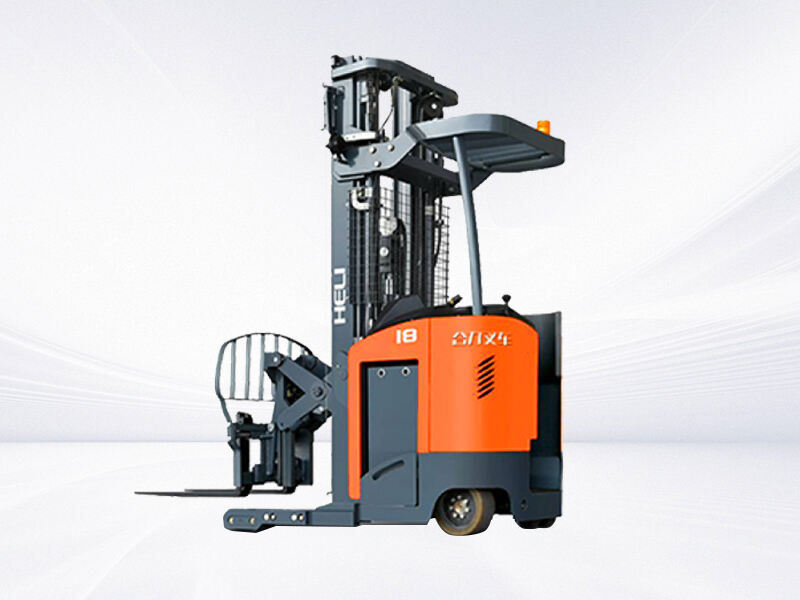
Horizon Construction’s engineers highlighted how the key features of telescopic handler forklifts directly address the complexities of their project sites. One of the most impactful features is the high-strength steel structure, which ensures durability under heavy-duty conditions. During an urban redevelopment project, for example, forklifts were tasked with handling steel beams and concrete panels. The robust chassis and reinforced lifting arms enabled operators to transport these large loads across uneven terrain (e.g., rubble-filled lots, sloped surfaces) without compromising stability. This reliability minimized the risk of accidents and allowed work to proceed uninterrupted, even in challenging environments.
The open, well-designed operator cabin was another critical asset. With reduced blind spots and enhanced visibility (e.g., panoramic windows, strategically placed mirrors), operators could confidently navigate complex site layouts—including narrow pathways between scaffolding and stored materials. On multi-story projects, the telescopic reach of the forklifts (extending up to 10 meters or more) allowed materials to be positioned accurately at elevated levels (e.g., rooftop installations, upper-floor scaffolding), reducing reliance on manual handling or additional machinery like cranes. Operators noted that the wide field of vision significantly decreased accidental collisions, improving both safety and efficiency.
Intelligent control systems further enhanced site operations. The forklifts’ integrated digital interfaces enabled operators to adjust boom extension, fork angle, and lifting speed with precision. For instance, on a project with a tight storage yard, these controls allowed swift repositioning of construction pallets without manual recalibration, saving both time and labor costs. Automated safety features—such as load weight indicators (to prevent overloading) and stability alerts (to warn of imbalance)—empowered operators to focus on task execution without constantly monitoring mechanical parameters. This reduced cognitive load and contributed to smoother workflows.
Beyond active construction zones, telescopic handler forklifts proved invaluable in material staging areas. Here, their durable steel construction, telescopic reach, and operator-friendly controls facilitated efficient unloading of delivery trucks and organized storage rack placement. Materials were transported from delivery points to on-site storage with minimal human intervention, maintaining a continuous supply chain for ongoing operations. This capability was particularly crucial during peak project phases when delays in material availability could cascade into schedule disruptions.
The ability to equip forklifts with specialized attachments further expanded their functionality. From pallet forks (for standard palletized goods) to lifting hooks (for irregularly shaped equipment) and rotators (for dumping or rotating loads), a single forklift could adapt to multiple tasks. This attachment flexibility reduced the need for additional equipment, optimizing fleet management and minimizing capital expenditure. Operators could switch attachments in minutes, enabling seamless transitions between tasks like moving steel beams, lifting prefabricated wall panels, or transporting loose materials.
In summary, the high-strength structure, operator-friendly cabin, intelligent controls, and attachment versatility of telescopic handler forklifts empower Horizon Construction to tackle complex material handling scenarios. These features collectively enhance efficiency, safety, and adaptability across diverse project environments, from urban redevelopment to rural industrial installations.
User Experience and Feedback
Horizon Construction’s operators provided detailed feedback on their daily experiences with telescopic handler forklifts, emphasizing several key benefits. A recurring theme was the sense of control and precision enabled by the intelligent control system. Operators could fine-tune boom extension and fork positioning using responsive digital interfaces (e.g., touchscreen panels, joystick controls), allowing accurate placement of loads even in constrained spaces (e.g., tight corners between scaffolding and walls). This precision minimized errors (e.g., dropped materials, misaligned components) and reduced the likelihood of damage, contributing to cost savings and higher productivity.
The durability of the high-strength steel structure was consistently praised. Operators frequently transport heavy loads (e.g., steel girders weighing up to 5 tons, concrete panels) and irregularly shaped equipment. The reinforced framework and stable chassis minimized vibrations during transit and maintained structural integrity under repeated stress. This reliability reduced downtime due to maintenance (e.g., fewer repairs for cracked welds or worn components) and boosted operator confidence when handling challenging materials. “You can feel the difference when lifting heavy loads—the forklift doesn’t wobble, even on uneven ground,” noted one senior operator.
Visibility from the operator cabin was another significant advantage. The open design and panoramic view (achieved through large windows and strategically positioned mirrors) substantially decreased blind spots. On complex job sites cluttered with scaffolding, parked vehicles, and other machinery, this feature allowed operators to maneuver precisely without relying solely on spotters. As a result, fewer near-miss incidents were reported, and safety incidents related to collisions dropped noticeably. “I can see everything around me without straining—this makes a huge difference in tight spaces,” said an operator working on a high-rise project.
Ease of operation was further enhanced by ergonomic controls and an intuitive layout. The joystick responsiveness, adjustable seating (with lumbar support), and clearly marked buttons allowed operators to perform tasks efficiently while minimizing fatigue. Even new operators could quickly adapt to the forklifts, reducing the training curve and ensuring consistent performance across the workforce. “I was up and running in a day—it’s much simpler than older models,” commented a recently hired operator.
The versatility of attachments also received positive feedback. Switching between pallet forks, lifting hooks, and other specialized implements was straightforward, thanks to quick-release mechanisms. This flexibility enabled a single forklift to perform multiple tasks (e.g., moving steel beams in the morning, lifting prefabricated panels in the afternoon), reducing dependency on additional equipment and streamlining project scheduling. “We used to need three different machines for these tasks—now one forklift does it all,” noted a project manager.
From a management perspective, the integration of telescopic handler forklifts led to improved workflow continuity and reduced project delays. Faster material handling, enhanced safety standards, and higher operator satisfaction translated into measurable productivity gains. The combination of durability, visibility, intelligent controls, and multifunctionality made these forklifts an indispensable part of Horizon’s material handling strategy.
Procurement Process
Horizon Construction’s procurement of telescopic handler forklifts followed a structured and strategic approach to ensure the machinery met technical, operational, and long-term goals. The process began with identifying reliable suppliers and manufacturers with proven expertise in industrial machinery. Key evaluation criteria included:
-
•
Warranty coverage (e.g., 2–3 years for core components).
-
•
After-sales service (e.g., 24/7 technical support, on-site repair availability).
-
•
Spare parts availability (to minimize downtime).
-
•
Track record with advanced forklift technology (e.g., intelligent control systems, hybrid/electric models).
Next, the procurement team conducted a detailed review of technical specifications to align with project requirements. Critical factors analyzed included:
-
•
Load capacity (to handle heavy materials like steel beams).
-
•
Boom reach (to access elevated work areas).
-
•
Operator cabin ergonomics (e.g., visibility, adjustability).
-
•
Smart control system capabilities (e.g., digital interfaces, automated safety features).
By comparing multiple models and suppliers, Horizon ensured the selected forklifts would deliver both reliability and operational versatility. Trial runs and on-site demonstrations were then conducted to evaluate maneuverability, lift precision, and visibility in real-world conditions. Operators provided feedback on factors like joystick responsiveness, cab comfort, and attachment switching speed, which informed the final decision. “Seeing the forklift in action on our site helped us confirm it could handle our toughest tasks,” explained a procurement manager.
Following selection, formal purchase agreements were executed, covering:
-
•
Delivery schedules (to align with project phases).
-
•
Installation (e.g., setting up charging stations for electric models).
-
•
Operator training (to ensure safe and efficient use of controls and attachments).
Suppliers also provided post-purchase support, including initial guidance on maintenance routines and access to replacement parts. Service agreements were established to guarantee ongoing reliability, with commitments to rapid spare parts delivery and emergency repairs.
Through this comprehensive procurement approach, Horizon Construction successfully integrated telescopic handler forklifts into their operations. The process ensured the machinery met technical specifications, operational needs, and long-term strategic goals, supporting efficient, safe, and flexible material handling across multiple project sites. This case study underscores how strategic procurement and equipment selection can drive tangible improvements in construction productivity and safety.