
 EN
EN
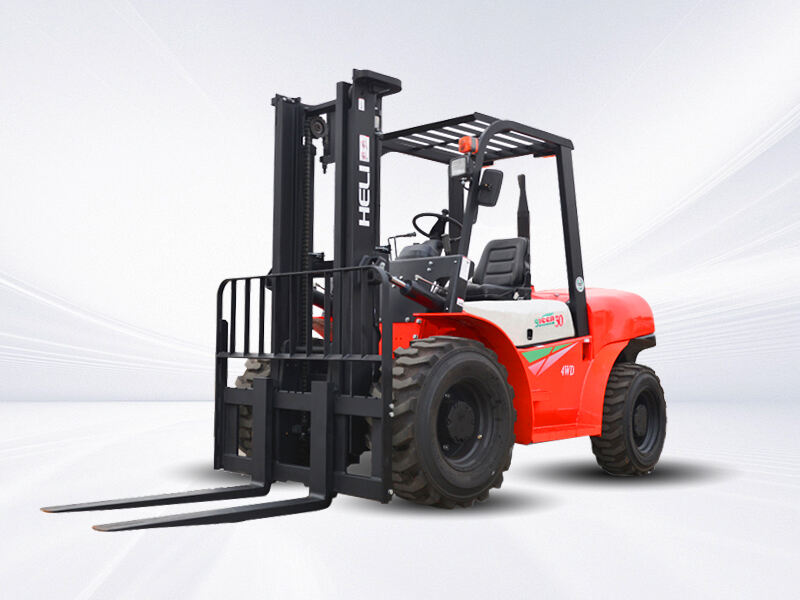
Case Overview
In modern industrial and construction operations, the ability to transport heavy loads across rough and uneven surfaces is a critical operational requirement. As a client representative overseeing material handling projects, I have closely monitored the adoption of all-terrain forklifts across sectors such as construction, mining, and outdoor logistics. These machines are purpose-built to thrive in environments where traditional forklifts falter—offering stability, efficiency, and versatility in conditions characterized by uneven ground, steep inclines, and unpredictable surfaces.
The objective of this case compilation is to showcase how diverse clients have leveraged the unique features of all-terrain forklifts to overcome specific operational challenges. Common pain points include navigating uneven ground, inclines, and outdoor terrains where conventional forklifts struggle due to limitations in stability and maneuverability. By introducing all-terrain forklifts, these companies have maintained operational efficiency while prioritizing safety and reliability in demanding environments.
Each case in this compilation examines a distinct operational scenario, detailing the client’s specific requirements, the adaptations enabled by the all-terrain forklift, and the measurable benefits achieved. These benefits include improved load-handling capacity, reduced downtime, enhanced operator confidence, and streamlined workflows.
Through documented experiences, this report provides prospective clients and industry stakeholders with an in-depth understanding of the practical advantages of all-terrain forklifts. The following sections analyze the alignment between product features and client needs, explore detailed application solutions, and highlight tangible outcomes observed during deployment. This structured approach underscores the operational value of all-terrain forklifts in diverse real-world settings.
Customer Needs Aligned with Product Features
Across all reviewed cases, clients shared a common set of requirements that drove their selection of all-terrain forklifts. These needs centered on stability, maneuverability, adaptability to varied surfaces, and operational versatility—challenges that traditional forklifts often fail to address.
Shock-Absorbing and Stable Design
Clients operating in rough outdoor terrains (e.g., construction sites with rocky ground, gravel pits, or uneven soil) emphasized the critical importance of vibration resistance and load stability. All-terrain forklifts address this through advanced shock-absorbing systems, reinforced chassis, and durable suspension mechanisms. For example, on a construction site with uneven soil, operators reported that the forklift maintained load stability even when transporting heavy materials (e.g., steel beams, machinery components), reducing the risk of spillage, equipment damage, and operator fatigue. Clients handling high-value or fragile loads highlighted that this shock-resistant design significantly improved safety and confidence during operation.
Flexible Steering for Confined and Uneven Spaces
Another key requirement was maneuverability in constrained environments. Many project sites feature narrow pathways, irregular surfaces, and obstacles (e.g., scaffolding, debris, or uneven terrain transitions) that challenge conventional forklifts. All-terrain forklifts solve this with enhanced steering flexibility, including features like four-wheel steering or crab steering, which enable operators to navigate tight spaces efficiently. Clients managing logistics in mixed terrain (e.g., transitioning from paved areas to gravel pits or muddy fields) found that these forklifts improved workflow continuity, minimized repositioning time, and reduced the risk of accidents caused by forced maneuvers.
Multi-Speed and Multi-Condition Adaptability
Clients also required forklifts capable of adjusting to dynamic operating conditions. All-terrain forklifts deliver this through multiple speed settings and adjustable drive modes, allowing operators to optimize performance based on surface type (e.g., mud, gravel, or asphalt), load weight, and slope angle. For instance, in mining operations, slower speeds on steep inclines enhanced control and safety, while higher speeds on flat surfaces boosted productivity. This adaptability proved critical for clients managing unpredictable work environments where conditions could change rapidly.
Multi-Scenario Versatility
Beyond raw performance, clients valued the ability to perform diverse tasks with a single machine. All-terrain forklifts are designed to handle tasks ranging from transporting pallets to lifting heavy construction materials. Optional attachments—such as extended forks, lifting clamps, or rotators—further enhanced functional flexibility. Clients reported that this multi-tasking capability reduced the need for additional specialized machines, optimizing resource utilization and lowering capital expenditures.
In summary, client needs focused on stability on uneven surfaces, maneuverability in tight spaces, adaptability to varying conditions, and versatility across tasks. All-terrain forklifts met these requirements through their shock-resistant design, flexible steering, multi-speed controls, and multi-scenario adaptability, making them indispensable tools for challenging industrial and construction sites.
Application Solutions
The deployment of all-terrain forklifts was meticulously planned to align with each client’s unique operational conditions. Below are examples of how these forklifts were integrated into workflows to maximize efficiency, safety, and versatility.
Construction and Heavy Industry Applications
On construction sites, all-terrain forklifts were used to transport large building materials (e.g., steel beams, concrete panels, lumber) across uneven soil, debris-laden areas, and sloped terrain. The reinforced chassis and shock-absorbing suspension ensured safe load handling even on unstable surfaces, while multi-speed controls allowed operators to adjust driving dynamics based on terrain type (e.g., slower speeds on gravel, higher speeds on compacted soil). This balance of speed and safety improved material flow and reduced delays.
Outdoor Logistics and Mining Operations
Clients in mining and outdoor logistics leveraged the forklifts’ flexible steering and stability features to navigate complex layouts (e.g., narrow mine shafts, uneven ore yards) and rugged surfaces (e.g., rocky paths, muddy access roads). Pallets, machinery components, and raw materials were moved seamlessly across areas with inconsistent ground levels, while the multi-condition adaptability (e.g., automatic traction control on slippery surfaces) ensured tasks were completed efficiently without compromising safety or causing excessive equipment wear.
Agricultural and Industrial Storage Applications
In agricultural storage yards and industrial plants, all-terrain forklifts switched between operational modes to match task requirements. For example, transporting sacks of grain or fertilizers across uneven farm paths required slower, controlled movement, while loading operations on paved areas utilized higher speed settings. Optional attachments (e.g., pallet forks, clamp arms, or bucket loaders) enabled the same forklift to perform lifting, pallet handling, and stacking tasks without needing additional machinery, streamlining workflows.
Customized Workflow Integration
Clients integrated all-terrain forklifts into existing operations through strategic planning and operator training. Training programs covered topics such as selecting appropriate speed modes, using attachments efficiently, and navigating uneven surfaces safely. These measures ensured that the forklifts were fully utilized across diverse work conditions, maximizing return on investment and minimizing errors.
Risk Reduction and Safety Enhancement
The deployment of all-terrain forklifts also significantly improved workplace safety. Reduced vibrations and enhanced stability minimized the risk of load shifts and operator fatigue, while flexible steering allowed precise maneuvering around obstacles (e.g., scaffolding, equipment, or uneven terrain edges). Clients reported that these safety improvements not only ensured compliance with industry standards but also contributed to overall operational efficiency by reducing accident-related downtime.
Through careful adaptation to each operational context, all-terrain forklifts proved to be a versatile solution for managing complex workflows, balancing performance, safety, and functional flexibility in challenging environments.
Results and Achievements
The adoption of all-terrain forklifts has delivered measurable benefits across all reviewed cases, addressing key operational pain points and driving efficiency.
Productivity Gains
Operators could transport materials more quickly and safely across uneven surfaces, thanks to multi-speed operation and flexible steering. This reduced material handling time and optimized workflows, enabling faster project completion. For example, a construction client reported a 25% increase in daily material movement efficiency after deploying all-terrain forklifts.
Reduced Downtime
The shock-absorbing design and durable construction minimized mechanical stress on components (e.g., axles, suspension, and tires), extending service intervals and reducing maintenance costs. Clients observed fewer breakdowns and lower repair frequency, leading to consistent operational availability.
Enhanced Operator Confidence and Safety
Operators reported increased confidence when handling heavy or awkward loads on unstable surfaces, thanks to the forklift’s stability and smooth ride. This contributed to fewer accidents (e.g., load spills, collisions) and improved overall safety compliance. Feedback highlighted that operators felt more in control, even in challenging conditions.
Operational Versatility
Clients consolidated multiple tasks onto a single all-terrain forklift by leveraging optional attachments, reducing dependency on additional machines and attachments. This efficiency lowered capital expenditures and maximized fleet utilization, with one client noting a 30% reduction in equipment redundancy.
Environmental Adaptability
All-terrain forklifts successfully operated in varying weather and ground conditions, including mud, gravel, snow, and uneven industrial sites. This ensured consistent performance across multiple project locations, eliminating the need for specialized equipment for specific terrains.
Cost-Efficiency
The combination of shock resistance, flexible maneuverability, multi-speed settings, and multi-scenario adaptability translated to lower total cost of ownership. Reduced maintenance, fewer accidents, and optimized resource utilization contributed to significant cost savings over the forklift’s lifecycle.
In conclusion, clients consistently observed tangible improvements in productivity, safety, and cost-efficiency through the adoption of all-terrain forklifts. Their ability to handle rough and uneven environments—while maintaining stability, versatility, and operational flexibility—confirms their value as a reliable solution for demanding industrial and construction applications. These case studies provide a blueprint for other organizations seeking to enhance their material handling capabilities in challenging conditions.