
 EN
EN
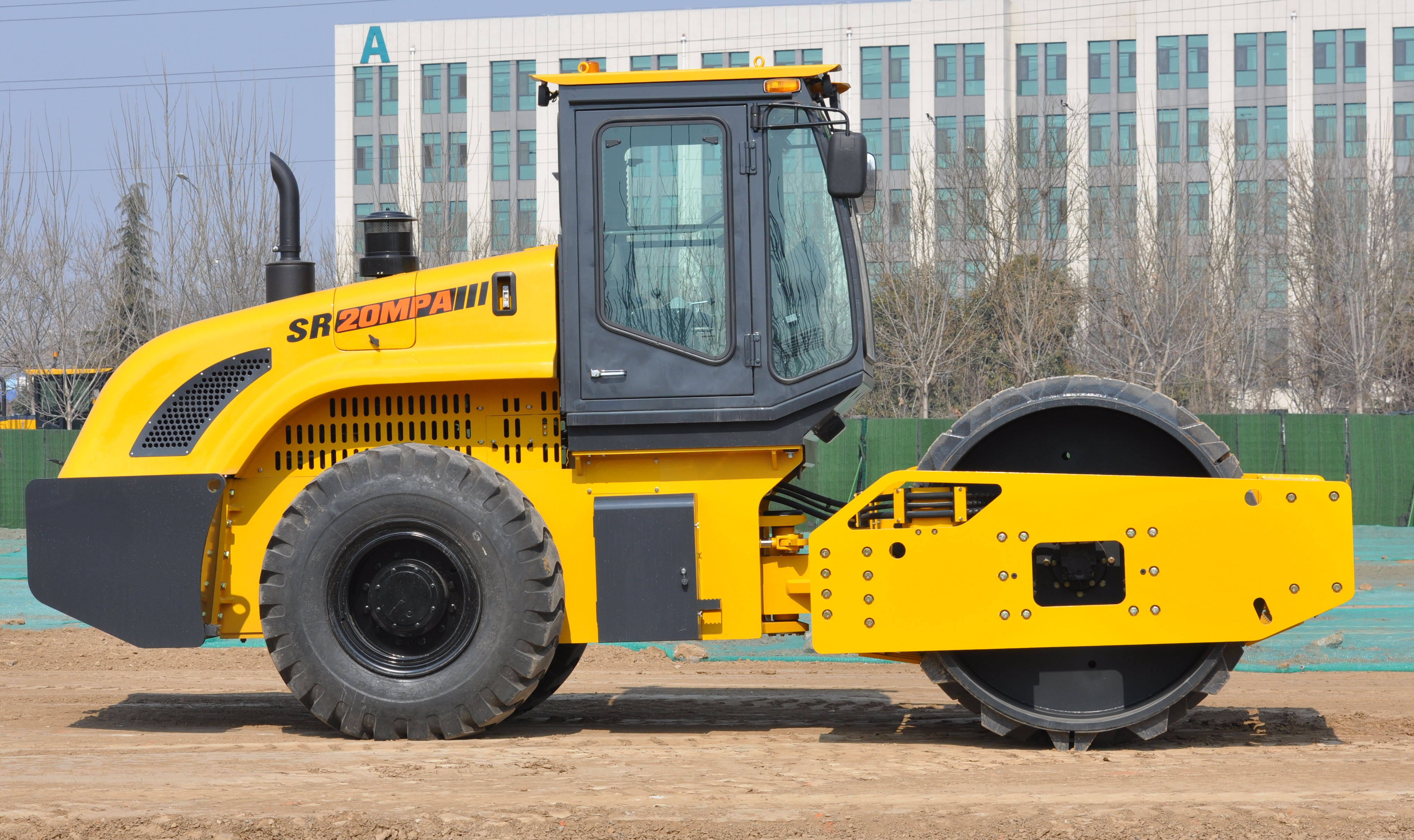
Mastering Hot-Mix Pavement Compaction with Modern Road Rollers
The success of any paving project hinges on proper compaction, and the road roller plays a pivotal role in achieving optimal results. Modern road roller technology has evolved significantly, offering innovative solutions to prevent cracking during the hot-mix asphalt compaction process. Understanding the relationship between equipment operation and pavement integrity is crucial for construction professionals seeking to deliver durable, crack-free surfaces.
Today's construction industry demands perfection in pavement finishing, and the proper use of a road roller can make all the difference between a long-lasting surface and one prone to premature deterioration. Let's explore the comprehensive approach to achieving flawless hot-mix pavement compaction while maintaining structural integrity.
Essential Components of Successful Hot-Mix Compaction
Temperature Management and Timing
The key to preventing cracks during compaction lies in maintaining optimal temperature throughout the process. A road roller operator must understand the critical compaction temperature window, typically between 290°F and 320°F (143°C to 160°C). Working within this range ensures the asphalt remains pliable enough for effective compaction without becoming too cool and resistant to compression.
Timing is equally crucial, as the road roller must complete initial passes while the mix is at its most workable state. Modern temperature monitoring systems installed on advanced road roller models help operators track surface conditions in real-time, allowing for precise timing of compaction passes.
Pattern and Speed Control
Establishing the correct rolling pattern is fundamental to achieving uniform compaction without creating stress points that could lead to cracking. A road roller operator should maintain consistent speed and follow overlapping patterns to ensure even distribution of compactive effort. The recommended speed typically ranges from 3 to 5 miles per hour, allowing sufficient time for proper material consolidation.
Systematic approach to rolling patterns, including proper overlap between passes and attention to edge compaction, helps prevent differential compression that could result in future pavement failures. Modern road roller equipment often includes GPS guidance systems that assist operators in maintaining precise patterns.
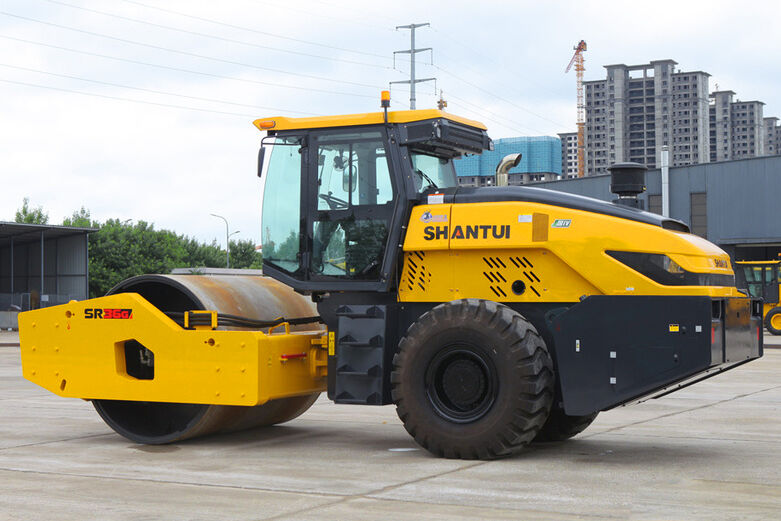
Advanced Technology in Modern Road Rolling Equipment
Intelligent Compaction Systems
Contemporary road roller models incorporate intelligent compaction systems that provide real-time feedback on material density and stiffness. These advanced technologies help operators adjust their approach based on actual compaction data rather than relying solely on visual cues or predetermined pass counts.
The integration of intelligent systems in road roller equipment has revolutionized the compaction process, allowing for more precise control and monitoring of the operation. Operators can now view detailed maps showing compaction progress and identify areas requiring additional attention before problems develop.
Vibration Control Technologies
Modern road roller equipment features sophisticated vibration control systems that automatically adjust frequency and amplitude based on material response. This dynamic adaptation helps prevent over-compaction while ensuring adequate material consolidation, significantly reducing the risk of surface cracking.
Variable frequency settings allow operators to fine-tune the road roller's performance according to mix type and temperature conditions. This level of control was unimaginable in earlier generations of compaction equipment but is now standard in leading road roller models.
Best Practices for Crack Prevention
Surface Preparation and Initial Rolling
Success begins with proper surface preparation before the road roller makes its first pass. The base must be uniform and well-graded, and the hot-mix asphalt should be spread evenly. Initial rolling serves as the foundation for final compaction quality, requiring careful attention to temperature and timing.
The first passes of the road roller are critical in establishing proper material density without creating surface defects. Operators must ensure the equipment is clean and properly maintained, with drum surfaces free from material buildup that could mar the pavement.
Environmental Considerations
Weather conditions significantly impact the success of hot-mix compaction. Wind speed, ambient temperature, and surface moisture all affect how quickly the mix cools and how effectively the road roller can achieve proper density without causing damage.
Experienced operators know to adjust their approach based on environmental factors, potentially modifying rolling patterns or speed to compensate for adverse conditions. Modern road roller technology includes environmental monitoring systems that help operators make informed decisions throughout the compaction process.
Maintaining Equipment Performance
Preventive Maintenance Protocols
Regular maintenance of road roller equipment is essential for consistent performance and crack-free results. This includes routine inspection of drums, vibration systems, and water spray systems that prevent material pickup. Proper equipment care ensures the road roller operates at peak efficiency during critical compaction operations.
Maintenance schedules should be strictly followed, with particular attention to components that directly impact compaction quality. This proactive approach helps prevent equipment-related issues that could compromise pavement integrity.
Operator Training and Certification
Even the most advanced road roller technology requires skilled operation to achieve optimal results. Comprehensive operator training programs ensure personnel understand both the technical aspects of compaction and the practical application of equipment features.
Ongoing education keeps operators updated on the latest techniques and technology developments, enabling them to maximize the capabilities of modern road roller equipment while minimizing the risk of pavement damage.
Frequently Asked Questions
What is the ideal temperature for hot-mix asphalt compaction?
The optimal temperature range for compacting hot-mix asphalt with a road roller is typically between 290°F and 320°F (143°C to 160°C). Working within this range ensures proper material workability while minimizing the risk of cracking during compaction.
How many passes should a road roller make for optimal compaction?
The number of passes required varies based on mix design, layer thickness, and environmental conditions. Generally, 4-6 passes are typical, but modern intelligent compaction systems can help determine when adequate density is achieved rather than relying on fixed pass counts.
Can weather conditions affect road roller performance?
Yes, weather conditions significantly impact compaction success. Temperature, wind speed, and surface moisture can affect how quickly the mix cools and how effectively the road roller can achieve proper density. Operators must adjust their techniques based on environmental conditions to prevent cracking and ensure quality results.