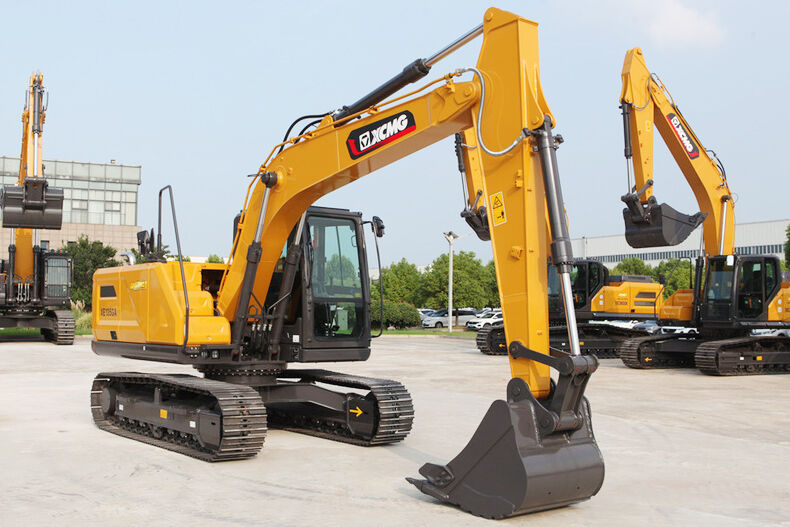
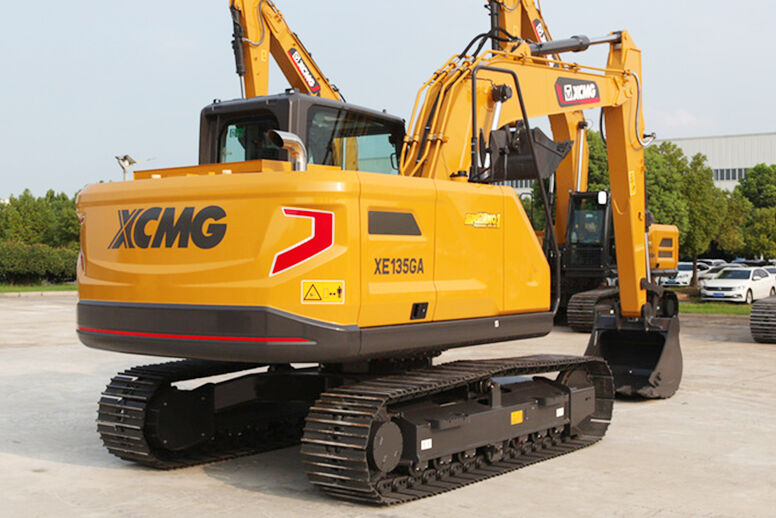
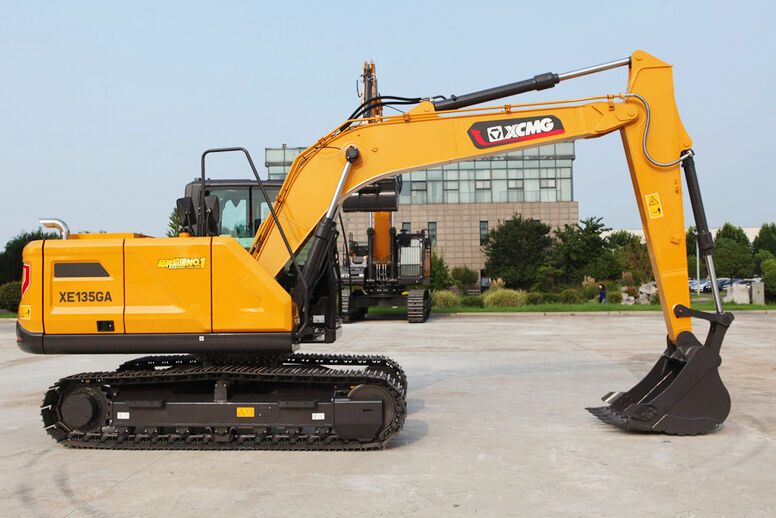
The excavator is defined by its versatile core functionality as the primary earthmoving tool on the modern construction site. The fundamental design of an excavator, with its rotating upper structure and front-mounted linkage, allows it to perform tasks that are impossible for many other machines. The primary application scenario for a standard excavator is digging trenches, foundations, and holes, but its usefulness extends far beyond mere excavation. By simply changing its front attachment, the same excavator can transform from a digging machine into a lifting device with a grapple or magnet, a demolition tool with a hydraulic breaker, a grading instrument with a tiltrotator and bucket, or a landscaping tool with a thumb. This incredible adaptability makes the excavator the first machine on many job sites and the last to leave. The efficiency of an excavator is further enhanced by its 360-degree rotation, which allows the operator to dig and then swing to dump the material into a truck or pile without constantly maneuvering the entire undercarriage, significantly speeding up cycle times and overall project progress.
The operational superiority of an excavator is largely due to its advanced technical configuration, centered on a powerful hydraulic system. This system, comprised of high-pressure pumps, valves, and cylinders, provides the immense force required to dig through tough soil and rock. The precision of this hydraulic control is what allows a skilled operator to perform delicate tasks like laying pipes or grading finished surfaces with a high degree of accuracy. Modern excavator designs heavily emphasize operator ergonomics and efficiency. Cabs are soundproofed and climate-controlled, equipped with intuitive joystick controls and multi-function LCD displays that provide critical machine data. Furthermore, many new models feature auto-idle and power mode selection systems, which automatically manage engine speed and hydraulic power output to match the task demand, thereby optimizing fuel efficiency—a major consideration in reducing operating costs. This focus on the human-machine interface and eco-efficiency ensures that the excavator remains productive and comfortable to operate for long shifts.
When considering the purchase of an excavator, several key factors must be evaluated to ensure the right machine is selected for the job. The first is size and weight; a large excavator offers more power and reach but may be unsuitable for confined urban sites or projects with weight restrictions. The second is the choice of undercarriage: crawler excavators offer excellent stability and low ground pressure for soft terrain, while wheeled excavators provide greater mobility for road-based projects. Finally, the intended application scenario dictates the necessary auxiliary hydraulics and attachment compatibility. Investing in a versatile excavator that can support multiple quick couplers and attachments future-proofs the investment. The durability of the excavator's structure and the availability of parts and service from the manufacturer or supplier are also critical considerations that impact the total cost of ownership and machine longevity, making the choice of a quality excavator from a reputable brand a wise long-term decision.