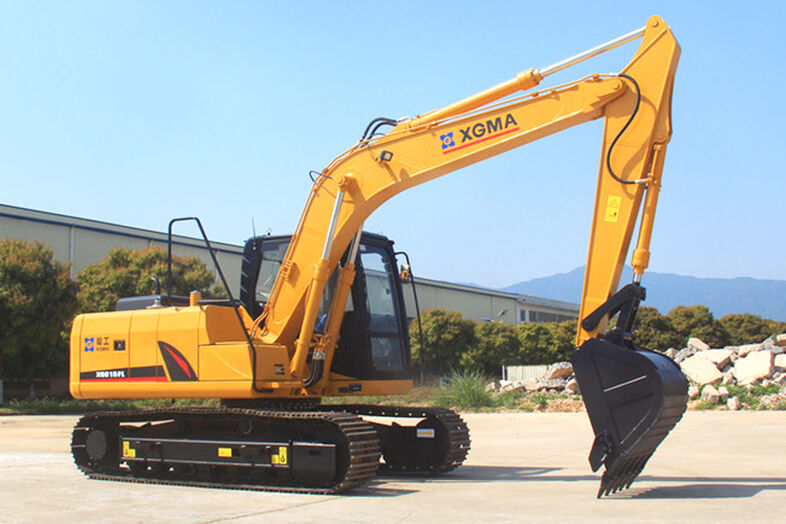
The excavator price is the most critical starting point for any procurement decision, but it must be understood in the context of what it represents. This price is primarily dictated by the machine's fundamental technical configuration and physical attributes. A key driver is the machine's weight class; a 5 ton excavator will naturally have a significantly lower excavator price than a 20 ton excavator or 30 ton excavator due to the exponentially larger amount of steel, more powerful engine, and higher-capacity hydraulic components required. The choice of undercarriage also impacts cost; a crawler excavator typically commands a higher excavator price than a similarly sized wheeled model due to the complexity of its track system. Furthermore, the excavator price is heavily influenced by the brand's market position. A quality excavator from a top-tier manufacturer carries a premium, reflecting decades of R&D, rigorous testing, and a reputation for reliability that reduces downtime—a hidden cost saving. This is why the excavator price for a new machine from a renowned supplier is an investment in predictability and support, not just hardware.
However, the upfront excavator price is merely the initial capital outlay. A truly informed financial analysis requires a key consideration: the Total Cost of Ownership (TCO). TCO encompasses all costs associated with the machine over its operational life. This includes fuel consumption, routine maintenance, and the significant cost of high-wear parts like buckets, teeth, and most importantly, undercarriage components (tracks, rollers, idlers) which can represent up to 50% of repair costs over a machine's life. A cheap excavator might have a tempting initial excavator price, but if it is less fuel-efficient or requires more frequent and expensive repairs, its TCO can quickly surpass that of a higher-priced but more reliable model. This analysis directly impacts the Return on Investment (ROI). A machine with a higher initial excavator price but low operating costs and high availability (low downtime) will generate a better ROI by completing more billable hours over its lifespan. Therefore, the excavator price should be seen as one part of a larger financial equation.
Finally, the market for excavators for sale offers different pathways that dramatically affect the excavator price. The market for a new excavator for sale is straightforward, with prices set by manufacturers and dealers, often including warranties and financing options. This path offers peace of mind at a premium excavator price. The used market, often searched with terms like diggers for sale, presents an opportunity for a lower entry excavator price. However, this price is highly variable and depends on factors like the machine's age, total operating hours, service history, and any visible damage or wear. A well-maintained used excavator from a reliable supplier can offer tremendous value, while a neglected machine with a low excavator price can become a financial burden. For buyers with a tight budget, exploring a china excavator can also be an option, as they often compete aggressively on the initial excavator price, though long-term durability and resale value should be carefully researched.

 EN
EN