
 EN
EN
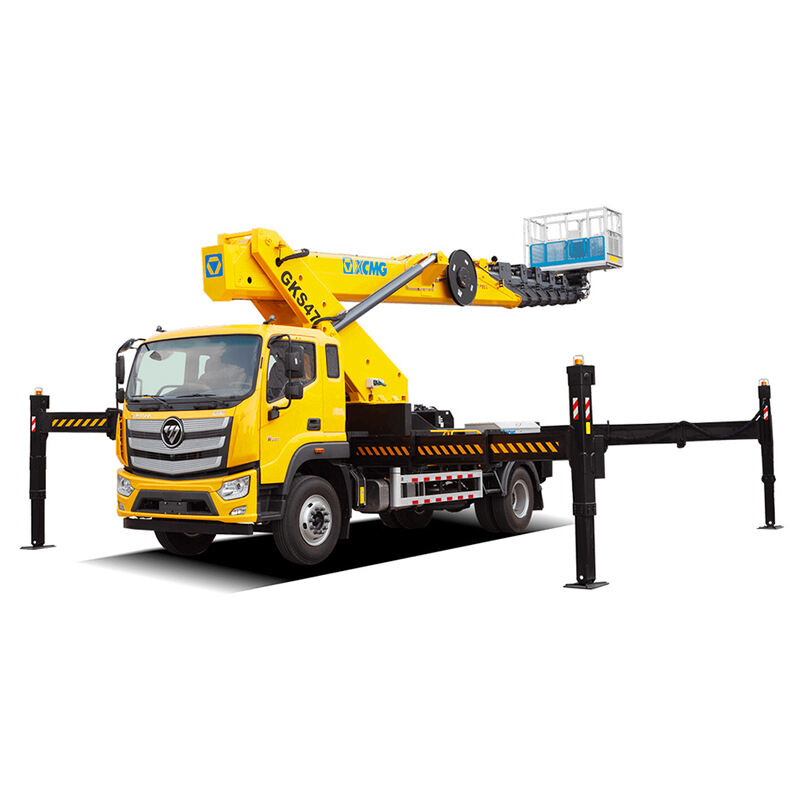
As an enterprise safety control personnel, I'm constantly vigilant about the safety risks involved in electrical work carried out at heights. In such operations, the margin for error is extremely thin, and any oversight can lead to serious accidents with dire consequences. This is where insulated aerial work platforms play a pivotal role. They have become an essential safeguard in our efforts to ensure the safety of workers engaged in electrical tasks above the ground. In this article, I'll elaborate on how these insulated aerial work platforms enhance safety, highlighting their key features and the manufacturing advantages that make them so reliable in electrical work scenarios.
Key Features of Insulated Aerial Work Platforms
The most critical feature is their excellent electrical insulation properties. These platforms are specifically designed with insulating materials that can withstand high voltages, effectively creating a safe working environment for workers when they are in close proximity to live electrical components. For example, when our electrical maintenance team is working on power lines or electrical substations, the insulated aerial work platform acts as a protective barrier, preventing electrical current from passing through to the workers or the platform itself. This insulation significantly reduces the risk of electric shock, which is a constant threat in electrical work at heights.
The stability of insulated aerial work platforms is another key aspect that contributes to safety. They are engineered with a sturdy base and a well-balanced structure, ensuring that the platform remains steady even when extended to significant heights or when carrying the necessary tools and equipment for electrical work. In windy conditions or on uneven ground, the stability mechanisms of these platforms come into play, minimizing any swaying or wobbling that could potentially endanger the workers. For instance, during a recent storm repair job on overhead power lines, our insulated aerial work platform provided a stable working surface despite the strong winds, allowing the workers to focus on the task at hand without fearing a fall due to instability.
The reach and maneuverability of insulated aerial work platforms are also vital for safety in electrical work. They can be precisely positioned around electrical installations, enabling workers to access different parts of the electrical infrastructure with ease. Whether it's reaching a transformer on a pole or working on electrical connections on a tall building facade, the ability to move the insulated aerial work platform accurately to the required location is crucial. This not only saves time but also reduces the need for workers to take unnecessary risks by stretching or using improper positioning methods to reach their work areas. For example, when installing new electrical meters on a multi-story apartment building, our workers were able to use the insulated aerial work platform to move smoothly from one floor to another and precisely position themselves in front of each meter box, enhancing the overall safety of the operation.
Moreover, the load-carrying capacity of insulated aerial work platforms is designed to accommodate the specific requirements of electrical work. Workers often need to carry tools such as electrical testers, wire cutters, and various types of cables when working on electrical systems. These platforms can support the weight of the workers along with their tools and materials, ensuring that everything needed for the job can be brought up to the working height without overloading the platform. This means that workers don't have to make multiple trips up and down, which could increase the likelihood of accidents. In a large electrical installation project, our insulated aerial work platforms were able to carry all the necessary equipment and supplies for a team of workers, facilitating a smooth and safe workflow.
Another notable feature is the clear visibility provided by insulated aerial work platforms. The design usually allows for unobstructed views of the work area, enabling workers to clearly see the electrical components they are working on and any potential hazards nearby. This is essential for accurate work and for avoiding accidental contact with live wires or other dangerous elements. When our team was repairing a complex electrical junction box on a utility pole, the good visibility from the insulated aerial work platform helped them identify the correct wires to work on and detect any signs of damage or wear, further enhancing the safety of the repair process.
Manufacturing Advantages of Insulated Aerial Work Platforms
The manufacturing process of insulated aerial work platforms incorporates several elements that contribute to their safety-enhancing capabilities.
High-quality insulating materials are used in their construction. These materials are carefully selected and tested to ensure they can maintain their insulating properties under various conditions, including extreme temperatures, humidity, and exposure to different environmental factors. The manufacturing process also involves precise application and integration of these materials to create a seamless and reliable insulating layer around the platform. For example, the insulating coatings on the platform's structure are applied with strict quality control measures to guarantee consistent thickness and integrity, maximizing the protection against electrical current.
Advanced manufacturing techniques are employed to build the structural components of insulated aerial work platforms. Computer numerical control (CNC) machining is used to fabricate parts with high precision, ensuring that the platform's frame and moving parts fit together perfectly. This precision manufacturing reduces the risk of structural weaknesses or misalignments that could compromise the stability of the platform. Welding processes are carefully monitored and executed to create strong and durable connections between different components, enhancing the overall structural integrity of the platform. These aspects are crucial for withstanding the forces exerted during operation and maintaining a safe working environment for the users.
The hydraulic systems in insulated aerial work platforms are designed with safety in mind. They are engineered to provide smooth and controlled movement of the platform, minimizing sudden jerks or unexpected movements that could startle the workers or lead to instability. The hydraulic pumps are selected for their reliability and ability to operate under different load conditions. High-quality hydraulic fluid is used, which is resistant to temperature variations and maintains its viscosity, ensuring consistent performance of the hydraulic system. Additionally, safety features such as emergency stop buttons and overload protection systems are integrated into the hydraulic control systems. These features allow workers to quickly halt the platform in case of an emergency or prevent damage to the platform due to excessive load, further enhancing the safety of the operation.
The modular design of insulated aerial work platforms is also a significant manufacturing advantage. Key components like the platform sections, hydraulic pumps, and electrical insulation modules can be easily replaced if they are damaged or need upgrading. This simplifies maintenance and repair work, reducing the downtime of the platform and ensuring that it can be quickly restored to a safe working condition. It also enables the platform to be customized or adapted to different electrical work requirements over time, making it a versatile and long-lasting safety solution for electrical work at heights.
Conclusion
In conclusion, as an enterprise safety control personnel, I firmly believe that insulated aerial work platforms are indispensable in enhancing safety in electrical work. Their key features, including excellent electrical insulation, stability, reach, load-carrying capacity, and clear visibility, work together to create a safe working environment for workers in the challenging realm of electrical work at heights. The manufacturing advantages, such as the use of high-quality insulating materials, advanced manufacturing techniques, reliable hydraulic systems, and modular design, further reinforce their safety and reliability.
By investing in and properly utilizing insulated aerial work platforms, enterprises can significantly reduce the risks associated with electrical work at heights, protect the well-being of their workers, and ensure the smooth progress of electrical projects. These platforms are not just pieces of equipment but a crucial part of our comprehensive safety strategy, safeguarding lives and enabling us to meet the demands of electrical infrastructure maintenance and installation with confidence.