
 EN
EN
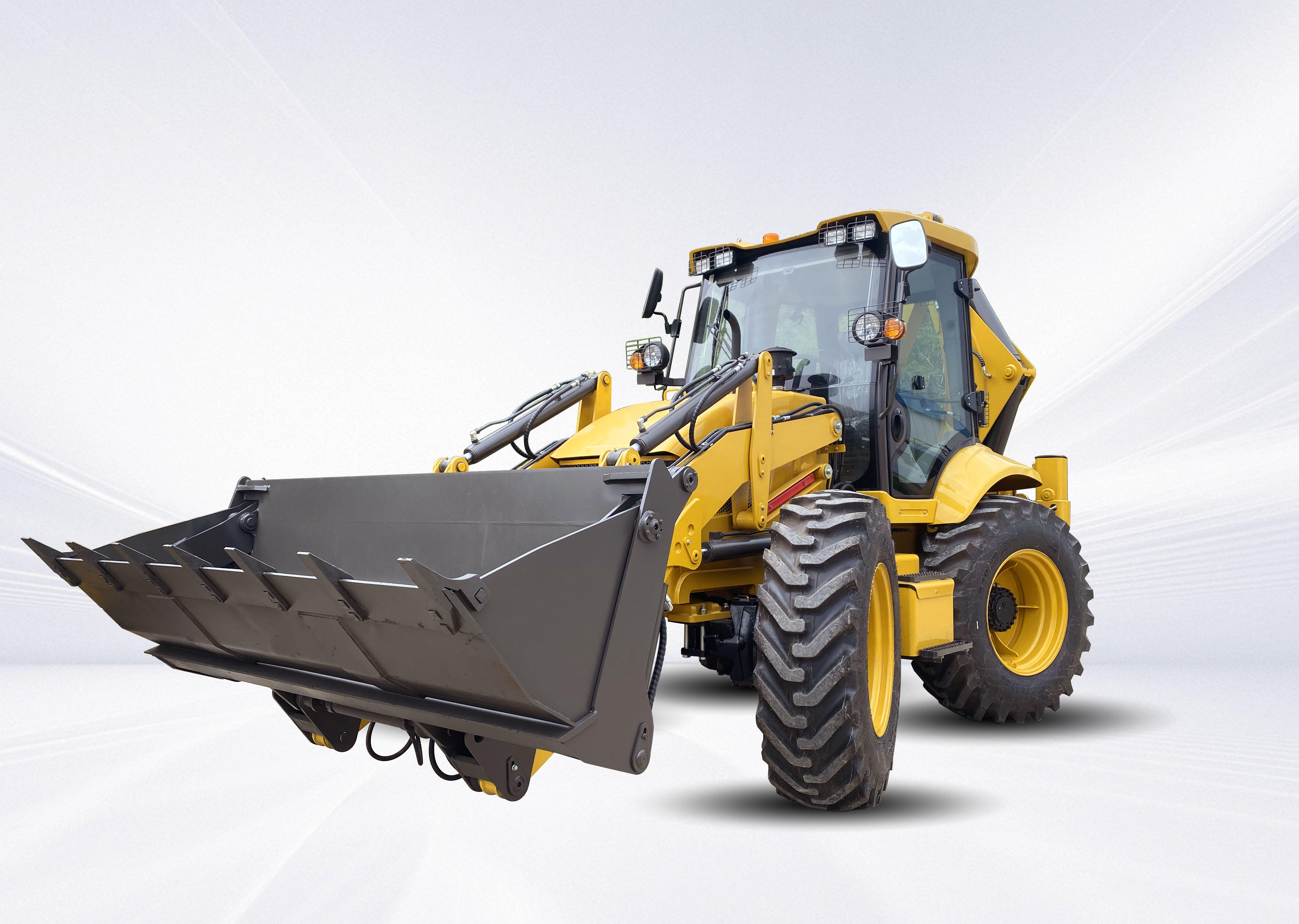
As an enterprise operations personnel, I'm constantly on the lookout for ways to enhance productivity and efficiency in our various projects. One of the most valuable assets in our heavy machinery fleet is the combined loader and excavator. This versatile piece of equipment has the potential to significantly streamline our operations and get more work done in less time. In this article, I'll share insights on how to truly maximize its efficiency, delving into its key features and the manufacturing advantages that make it such a powerful tool for our business.
Key Features of the Combined Loader and Excavator
The combined loader and excavator is renowned for its dual functionality. At the front, the loader component is equipped with a sturdy bucket that can scoop up a wide variety of materials with ease. Whether it's dirt, gravel, sand, or debris from a construction site, the loader bucket can quickly gather and transport them to where they're needed. For example, during the initial stage of a building project when we need to clear the land and level the ground, the loader function of the combined machine plays a crucial role. It can efficiently move large amounts of soil to create a flat and workable surface, saving us valuable time and labor.
On the other hand, the excavator part at the rear (or in some models, at a separate position) features a boom, stick, and bucket setup that is highly effective for digging operations. It can dig trenches for utility lines, create foundations for structures, or even perform more complex excavation tasks in mining or large-scale infrastructure projects. The reach and digging power of the excavator are designed to handle different soil conditions and depths, enabling us to meet various project requirements precisely. This combination of loading and excavating capabilities in one machine means we don't have to switch between separate loader and excavator units, reducing downtime and improving overall workflow efficiency.
Maneuverability is another significant feature of the combined loader and excavator. Despite its size and power, it's engineered to operate smoothly in relatively confined spaces. Its compact design compared to some stand-alone large excavators allows it to turn on a dime and navigate around obstacles on the job site. In urban construction projects where space is limited, or on smaller worksites like those in residential areas, the combined loader and excavator can access areas that might be difficult for larger, single-purpose machines. This ability to move freely and reach different parts of the site easily helps us optimize our operations and complete tasks faster.
The operator's cab of the combined loader and excavator is designed with both comfort and functionality in mind. It offers excellent visibility, thanks to large windows and well-positioned mirrors that minimize blind spots. Operators can clearly see the work area in front of and around the machine, which is essential for accurate operation and safety. The controls are intuitive and user-friendly, making it relatively easy for our operators to master both the loader and excavator functions. Additionally, the cab is often equipped with comfortable seating and sometimes climate control systems to ensure that our operators can work for extended periods without getting fatigued, further contributing to productivity.
The combined loader and excavator also has the advantage of being able to use different attachments. Besides the standard loader bucket and excavator bucket, it can be fitted with specialized attachments like hydraulic breakers for breaking up concrete, grapples for handling logs or large debris, or pallet forks for moving pallets of materials. This versatility in attachments expands its range of applications and allows us to adapt the machine to different tasks as needed. For instance, when we're involved in a demolition project followed by site clearance, we can first use the hydraulic breaker attachment to break down concrete structures and then switch to the loader bucket to remove the debris.
Manufacturing Advantages of the Combined Loader and Excavator
The manufacturing process of the combined loader and excavator incorporates several elements that contribute to its excellent performance.
High-quality materials are used throughout its construction. The frame is typically made from strong and durable steel alloys that can withstand the heavy loads and forces exerted during operation. The buckets and attachments are crafted from materials that are resistant to wear and tear, ensuring a long service life even under continuous use. This use of top-notch materials not only enhances the durability of the machine but also reduces the need for frequent maintenance and replacements, saving us costs in the long run.
Advanced manufacturing techniques are employed to create precise and reliable components. Computer numerical control (CNC) machining is used to fabricate parts with tight tolerances, ensuring that all the components fit together seamlessly. This results in a smooth operation and fewer mechanical issues, which is crucial for a machine that operates in demanding work environments. Welding processes are carefully controlled to form strong and durable connections between different parts of the machine. The hydraulic systems in the combined loader and excavator are also a testament to its manufacturing excellence. They are designed to provide powerful and precise control over the movements of both the loader and excavator functions. High-quality hydraulic pumps and cylinders are used, along with a hydraulic fluid that maintains its properties under different operating conditions, ensuring consistent performance.
Safety features are integrated into the manufacturing process from the start. The combined loader and excavator is equipped with overload protection systems to prevent damage to the machine from excessive loads. Rollover protection structures (ROPS) and falling object protection systems (FOPS) are incorporated in the operator's cab to safeguard the operator's life. Emergency stop buttons are placed in accessible locations so that the operator can quickly halt the machine if needed. These safety aspects not only protect our operators but also contribute to the overall reliability of the machine, allowing us to use it with confidence in various work settings.
The modular design of the combined loader and excavator is another manufacturing advantage. Key components such as the engine, hydraulic pumps, and transmission can be replaced or serviced independently. This simplifies maintenance and repair work, reducing downtime. If a part malfunctions, technicians can quickly identify and replace it without having to disassemble the entire machine. This modularity also enables us to upgrade or customize the machine over time to meet our specific business requirements or incorporate new technological advancements.
Conclusion
In conclusion, as an enterprise operations personnel, maximizing the efficiency of the combined loader and excavator is crucial for our business success. By understanding and leveraging its key features like dual functionality, maneuverability, operator comfort, and attachment versatility, we can make the most of this powerful machine in our daily operations. Additionally, the manufacturing advantages including high-quality materials, advanced techniques, integrated safety features, and modular design ensure its reliability and long-term performance.
Investing in proper training for our operators, regularly maintaining the machine, and strategically using its capabilities according to project needs are all essential steps in optimizing the efficiency of the combined loader and excavator. With these efforts, we can achieve higher productivity, complete projects more quickly, and ultimately gain a competitive edge in the market. It's truly a valuable asset that, when utilized effectively, can drive our enterprise forward and contribute to our growth and success.