
 EN
EN
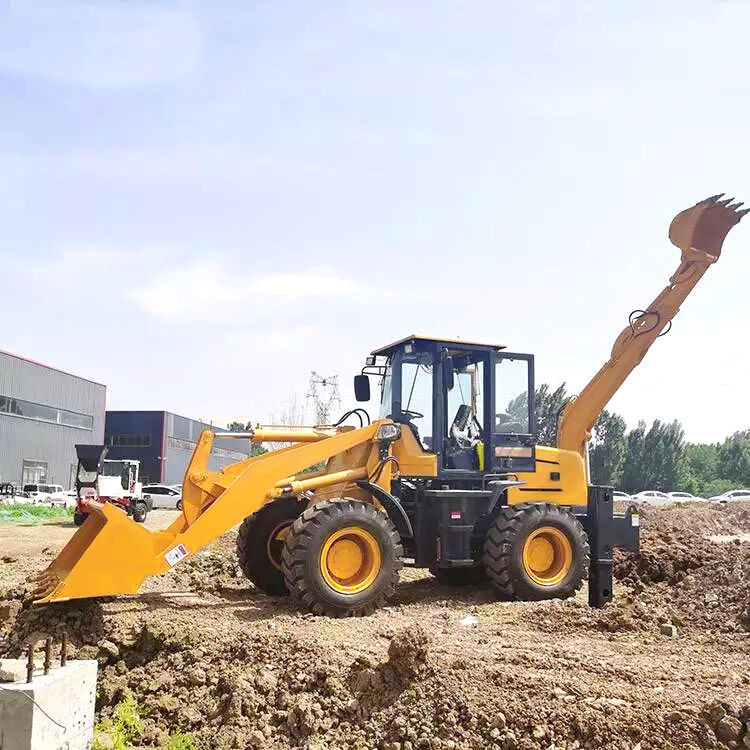
As an enterprise operations personnel, I've come to understand the significance of a backhoe loader machine in our daily business operations. It's a versatile and essential piece of equipment that plays a crucial role in various projects, whether it's in construction, agriculture, or infrastructure development. To fully utilize and maintain this valuable machine, it's vital to have a clear understanding of its key components. In this article, I'll explore these components in detail, along with the product features and manufacturing advantages related to the backhoe loader machine.
Key Components of the Backhoe Loader Machine
Loader Bucket
The loader bucket is one of the most prominent components of a backhoe loader machine. It's located at the front of the machine and serves as a primary tool for scooping and loading materials. Made from durable materials like high-strength steel, it can handle a wide variety of substances such as dirt, gravel, sand, and even snow in some cases. The size and shape of the loader bucket can vary depending on the specific model and intended use of the backhoe loader machine. For example, in construction projects where large volumes of soil need to be moved quickly, a larger capacity loader bucket is preferred. It enables the machine to load trucks or stockpile materials more efficiently, saving time and labor.
Backhoe Attachment
The backhoe attachment is another crucial part of the backhoe loader machine. Positioned at the rear, it's designed for digging tasks. Comprising a boom, stick, and bucket, this assembly allows for precise excavation of trenches, holes for foundations, or small-scale earthmoving. The boom provides the necessary reach, the stick controls the depth and angle of the digging, and the bucket scoops up the excavated material. Different backhoe loader machines may have different specifications for these components to meet diverse job requirements. In agricultural settings, for instance, a backhoe with a relatively shorter boom might be sufficient for tasks like digging irrigation ditches around fields.
Chassis and Frame
The chassis and frame form the backbone of the backhoe loader machine. Constructed from robust steel alloys, they are engineered to withstand the heavy loads and stresses that the machine experiences during operation. The chassis houses the engine, transmission, and other vital mechanical components, while the frame provides structural support for the loader bucket and backhoe attachment. A well-designed chassis and frame ensure the stability and durability of the backhoe loader machine, allowing it to operate safely even on uneven terrains or during intense digging and loading activities.
Engine
The engine is the power source of the backhoe loader machine. Typically, diesel engines are commonly used due to their high torque output and fuel efficiency. The engine's horsepower determines the overall performance of the machine, dictating how much power is available for both the loader and backhoe functions. A more powerful engine enables the backhoe loader machine to handle heavier loads and perform tasks more quickly. For example, in large construction sites with demanding workloads, a backhoe loader machine equipped with a high-horsepower engine can complete excavation and loading operations in a shorter time frame, enhancing productivity.
Hydraulic System
The hydraulic system is a key component that enables the smooth operation of both the loader bucket and the backhoe attachment. It consists of hydraulic pumps, cylinders, hoses, and valves. The hydraulic pumps generate the pressure needed to move the cylinders, which in turn control the movement of the loader bucket and the various parts of the backhoe. High-quality hydraulic systems ensure precise and efficient operation, allowing the operator to make fine adjustments when scooping, lifting, or digging. This is crucial for tasks that require accuracy, such as laying utility lines in trenches dug by the backhoe.
Operator's Cab
The operator's cab is where the person operating the backhoe loader machine sits. It's designed with both comfort and functionality in mind. With large windows and well-positioned mirrors, it offers good visibility of the work area, enabling the operator to see clearly and avoid any potential hazards. The controls inside the cab are laid out in an intuitive manner, making it easier for operators to learn and operate the machine. Additionally, modern operator's cabs often come equipped with comfortable seating, climate control systems, and sometimes even advanced technology features like touchscreen displays for monitoring machine parameters.
Manufacturing Advantages of the Backhoe Loader Machine
The manufacturing process of the backhoe loader machine incorporates several elements that contribute to its excellent performance.
High-quality materials are used throughout its construction, as mentioned earlier for components like the loader bucket, chassis, and frame. This ensures durability and longevity, reducing the need for frequent replacements and maintenance, which is beneficial for our enterprise from a cost perspective.
Advanced manufacturing techniques such as computer numerical control (CNC) machining are employed to create precise components. For example, the parts of the backhoe attachment and the loader bucket are fabricated with tight tolerances using CNC machining, ensuring that they fit together seamlessly and function smoothly. Welding processes are carefully controlled to form strong and durable connections between different parts of the machine.
The hydraulic system is designed and manufactured with a focus on reliability and performance. High-quality hydraulic pumps, cylinders, and hoses are selected, and the hydraulic fluid is carefully formulated to maintain its properties under different operating conditions. This results in a consistent and efficient operation of the backhoe loader machine.
Safety features are also integrated into the manufacturing process. Rollover protection structures (ROPS) and falling object protection systems (FOPS) are built into the operator's cab to safeguard the operator's life. Overload protection systems are installed to prevent damage to the machine from excessive loads. These safety aspects not only protect our operators but also enhance the overall reliability of the backhoe loader machine, allowing us to use it with confidence in various work environments.
Conclusion
In conclusion, as an enterprise operations personnel, having a comprehensive understanding of the key components of a backhoe loader machine is essential for maximizing its utility and ensuring its proper maintenance. The loader bucket, backhoe attachment, chassis and frame, engine, hydraulic system, and operator's cab all work together to make this machine a versatile and reliable tool for our projects. The manufacturing advantages further enhance its performance and durability, making it a valuable asset in our business operations. By investing in quality backhoe loader machines and taking good care of these key components, we can improve productivity, complete projects more efficiently, and contribute to the success of our enterprise.