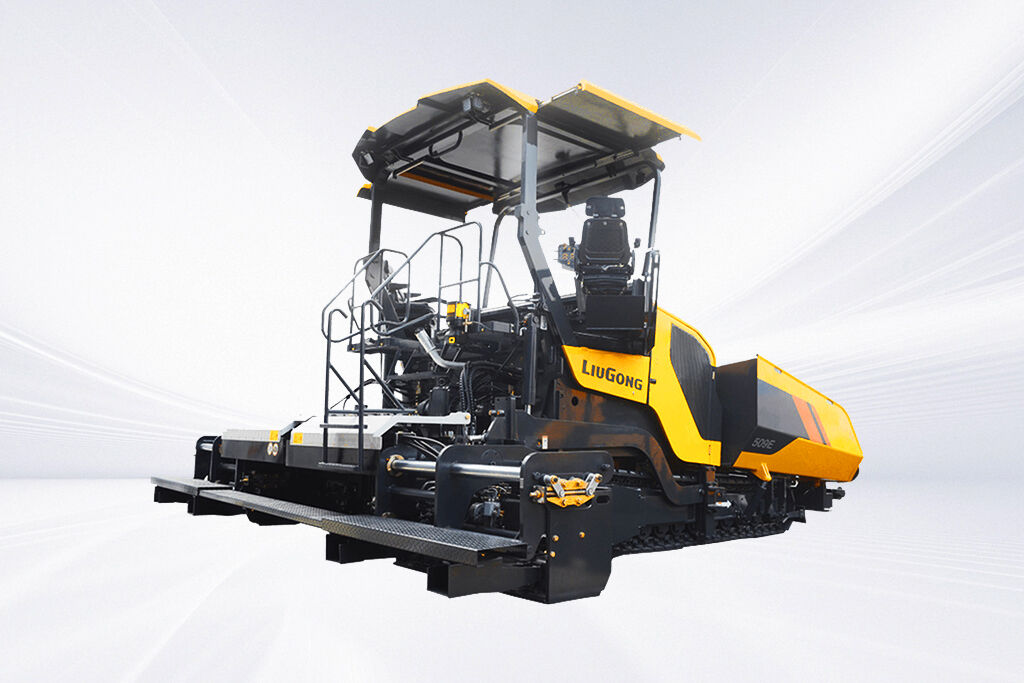
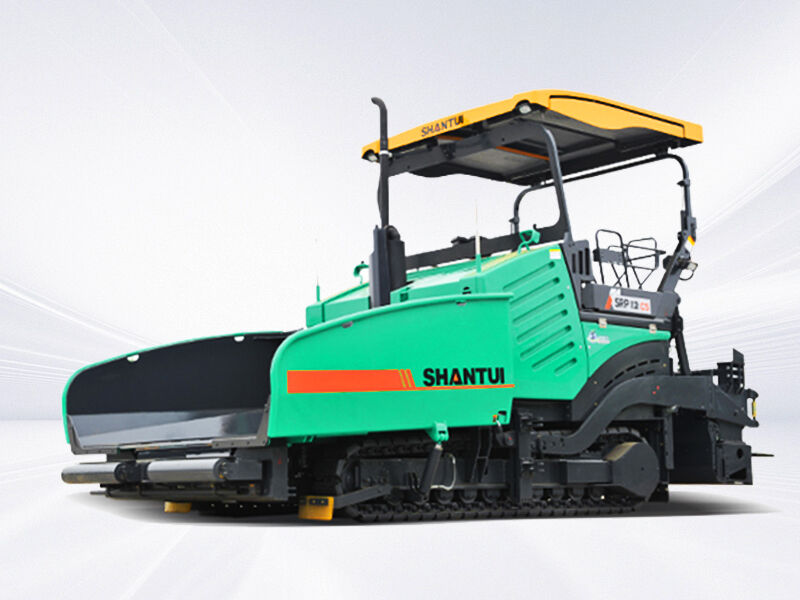
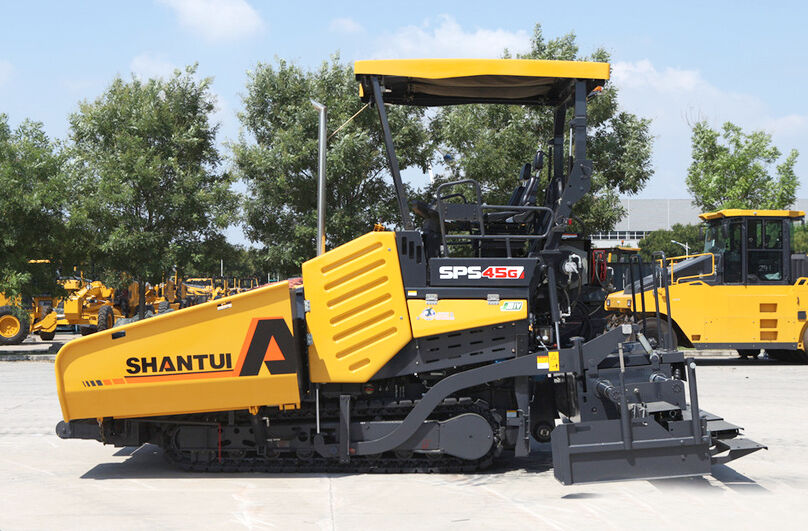
We are a leading international supplier of specialized construction equipment, with a strong focus on road-building technology. The paving machine is a centerpiece of our offering. We provide contractors and governments with the high-precision machinery required to build the infrastructure of tomorrow. Our company's global reach and logistical prowess ensure that these sophisticated machines are delivered and supported wherever they are needed, backed by a team that understands the intricacies of modern paving operations.
When examining the functionality and engineering behind a paving machine, three standout features truly define its performance and value on the construction site: hydraulic telescopic screed, variable paving width, and high-density paving capability.
1. Hydraulic Telescopic Screed:
One of the most critical components of a paving machine is its screed—the part that spreads and levels the asphalt or concrete. The hydraulic telescopic screed offers dynamic adjustability, allowing operators to extend or retract the screed width hydraulically without needing physical attachments. This means the machine can easily adapt to different project requirements on the fly, whether paving a narrow city street or a wide highway lane. The hydraulic system provides smooth and precise control, ensuring that the screed remains stable even during adjustments. This adaptability not only improves efficiency but also reduces the need for multiple screed types, saving both time and costs on job sites.
2. Variable Paving Width:
Closely tied to the hydraulic screed is the machine’s ability to support variable paving width. Modern paving machines can adjust the paving width within a broad range—often between 1 meter to over 10 meters—depending on the model. This flexibility is invaluable when working on projects that require different lane widths, intersections, roundabouts, or irregular surfaces. Instead of halting operations to change equipment or add extensions, operators can simply adjust the paving parameters using the control system. This leads to faster setup times, continuous paving operations, and ultimately, significant time and labor savings throughout the project lifecycle.
3. High-Density Paving Capability:
Achieving a high-density, well-compacted pavement layer is essential for the strength and durability of the road. Advanced paving machines accomplish this through features like double-drum vibratory systems, tamper bars, and high-frequency screed vibrations. These mechanisms work together to compact the material as it is laid, reducing air voids and increasing the density of the asphalt mat. A denser pavement resists deformation, cracking, and water infiltration far better than a loosely compacted one. As a result, roads last longer, require fewer repairs, and provide a smoother driving experience. The combination of precise material placement and effective initial compaction makes the paving machine an indispensable tool for modern infrastructure development.
In addition to these three features, paving machines also incorporate other supporting technologies such as automatic slope control, material temperature monitoring, and comfortable operator cabins, all contributing to optimized performance. Whether it's laying down the first layer of a new highway or resurfacing an existing road, the paving machine stands out as a versatile, efficient, and indispensable machine in the construction industry.

 EN
EN