
 EN
EN
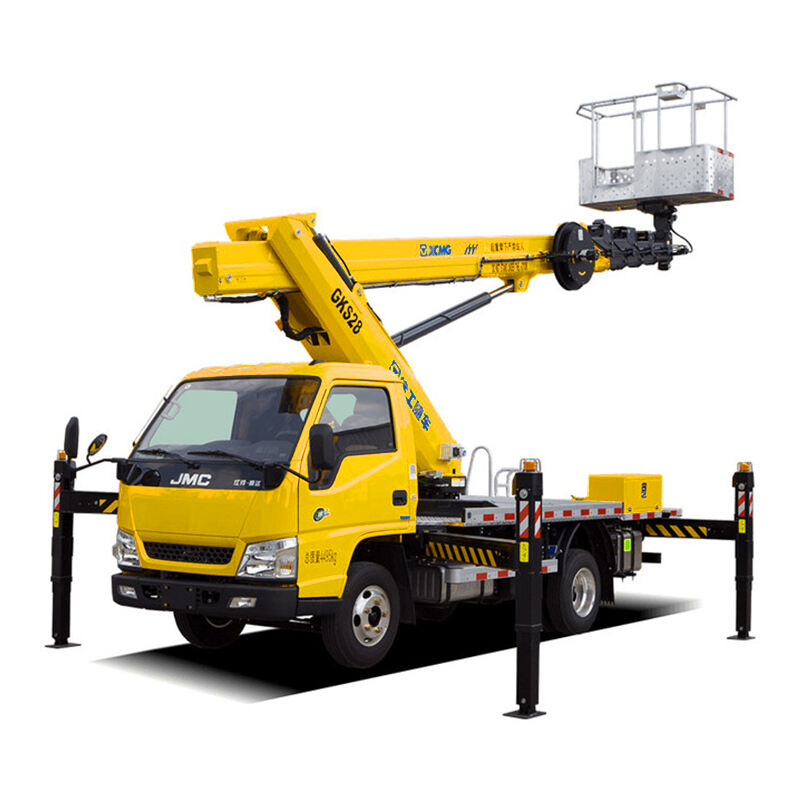
For B2B enterprise operators managing industrial operations, infrastructure projects, or facility maintenance, understanding the role of an aerial work platform truck is essential for optimizing operational efficiency and safety. An aerial work platform truck is a specialized vehicle equipped with an extendable platform, designed to lift workers, tools, and materials to elevated heights for various tasks. Unlike standalone aerial platforms, an aerial work platform truck combines mobility with elevation capabilities, making it indispensable for outdoor projects, emergency repairs, and large-scale construction sites. As operators responsible for coordinating multiple work sites and ensuring timely project completion, recognizing the value of an aerial work platform truck in streamlining operations is crucial. This guide will explore what an aerial work platform truck is, its key features, manufacturing advantages, and diverse applications, highlighting why integrating an aerial work platform truck into your fleet can enhance productivity and reduce operational bottlenecks. Whether managing utility maintenance, signage installation, or building inspections, an aerial work platform truck serves as a versatile asset that addresses the unique challenges of elevated work in dynamic environments.
Key Features of an Aerial Work Platform Truck
An aerial work platform truck is distinguished by a set of core features that enable it to perform reliably in demanding conditions, making it a critical asset for B2B operations.
The primary feature of any aerial work platform truck is its elevation system, which typically includes either a telescopic boom, articulating boom, or scissor lift mechanism. A telescopic boom aerial work platform truck extends in a straight line, ideal for reaching maximum height with minimal horizontal extension, while an articulating boom aerial work platform truck features multiple hinged sections, allowing precise maneuvering around obstacles. Scissor lift-based aerial work platform truck models prioritize vertical elevation with a stable platform, suitable for tasks requiring a larger work area at moderate heights. Each design caters to specific operational needs, ensuring there’s an aerial work platform truck configuration for every elevated task.
Mobility is another defining feature of an aerial work platform truck, as it combines a rugged vehicle chassis with the elevation system. Most aerial work platform truck units are built on heavy-duty truck bases, equipped with powerful engines, robust suspension systems, and large tires to navigate rough terrain, construction sites, or remote locations. This mobility ensures that an aerial work platform truck can be quickly deployed to different job sites, eliminating the need for separate transportation of elevation equipment. Some compact aerial work platform truck models are designed for urban environments, featuring smaller dimensions to maneuver through narrow streets or tight spaces, making them suitable for city maintenance or indoor-outdoor hybrid projects.
Load capacity is a critical specification of an aerial work platform truck, determining how many workers, tools, and materials can be safely elevated. A standard aerial work platform truck typically supports 500 to 1,000 pounds, with heavy-duty models capable of handling up to 2,000 pounds. This capacity ensures that an aerial work platform truck can accommodate teams of 2-3 workers along with their equipment, reducing the need for multiple trips and increasing efficiency. The platform itself, usually made of reinforced steel or aluminum, is designed with guardrails and non-slip surfaces to enhance safety, a non-negotiable feature for any aerial work platform truck used in industrial settings.
Control systems in modern aerial work platform truck models are designed for precision and ease of use. Operators can control elevation, rotation, and platform movement via joysticks located both in the truck’s cab and on the platform itself, allowing for seamless adjustments during operation. Many advanced aerial work platform truck units also include proportional controls, enabling smooth, gradual movements to prevent sudden shifts that could compromise safety. Some aerial work platform truck models integrate digital displays to monitor height, load weight, and system status, providing real-time data to ensure operations remain within safe parameters.
Safety features are integral to every aerial work platform truck, reflecting the priority placed on worker protection in B2B operations. These include emergency stop buttons, overload sensors that halt operation if capacity is exceeded, and tilt alarms that activate when the aerial work platform truck is on unstable ground. Many aerial work platform truck units also feature automatic leveling systems to adjust the platform on uneven surfaces, while some include backup cameras and proximity sensors to prevent collisions during movement. These safety mechanisms not only protect workers but also reduce the risk of equipment damage, making an aerial work platform truck a reliable choice for high-risk elevated tasks.
Manufacturing Advantages and Production Quality of an Aerial Work Platform Truck
The production of an aerial work platform truck involves advanced manufacturing processes and quality control measures that ensure durability, performance, and compliance with industry standards—key considerations for B2B operators investing in long-term assets.
High-quality materials are the foundation of a reliable aerial work platform truck, with manufacturers using high-strength steel for the boom and chassis, corrosion-resistant alloys for hydraulic components, and reinforced plastics for non-structural parts. This material selection ensures that an aerial work platform truck can withstand extreme weather, heavy usage, and exposure to debris, common in construction or utility environments. The use of lightweight yet strong materials also enhances fuel efficiency without compromising the aerial work platform truck’s load-bearing capacity.
Advanced engineering techniques distinguish a premium aerial work platform truck from inferior models. Manufacturers employ computer-aided design (CAD) and finite element analysis (FEA) to optimize the structural integrity of the aerial work platform truck, ensuring that stress points are reinforced and weight is distributed evenly. Robotic welding is used to create precise, strong joints in critical areas of the aerial work platform truck, reducing the risk of mechanical failure during operation. These engineering practices result in an aerial work platform truck that can maintain stability even at maximum height, a critical factor for safe and efficient operations.
Hydraulic systems, the backbone of an aerial work platform truck’s elevation capabilities, are manufactured with precision to ensure smooth, reliable performance. High-pressure hydraulic pumps and cylinders, sourced from reputable suppliers, are integrated into the aerial work platform truck to provide consistent lifting power, while sealed hydraulic lines prevent leaks that could cause operational failures. Regular testing of these systems during production ensures that the aerial work platform truck can perform under varying load conditions, from light tool transport to full-capacity worker deployment. This attention to hydraulic system quality minimizes downtime for repairs, a key advantage for B2B operators managing tight project schedules.
Customization options in aerial work platform truck production allow manufacturers to tailor units to specific industry needs, a significant advantage for B2B operations with unique requirements. For example, utility companies may request an aerial work platform truck with insulated booms to protect workers from electrical hazards, while construction firms might opt for an aerial work platform truck with extended outreach for bridge maintenance. Additional customizations include integrated tool storage, generator mounts for power tools, or specialized lighting for night operations. This flexibility ensures that an aerial work platform truck can be adapted to diverse tasks, eliminating the need for multiple specialized vehicles and reducing fleet costs.
Quality control and certification processes are rigorous for any aerial work platform truck, ensuring compliance with global safety standards such as ANSI, OSHA, and ISO. Each aerial work platform truck undergoes extensive testing, including load testing at maximum height, durability testing under simulated harsh conditions, and safety system verification. Manufacturers also provide comprehensive documentation and certification for each aerial work platform truck, giving B2B operators confidence in the equipment’s reliability and compliance. Extended warranties, often offered on critical components like booms and hydraulic systems, further reflect the manufacturer’s commitment to quality, making an aerial work platform truck a low-risk investment for long-term operations.