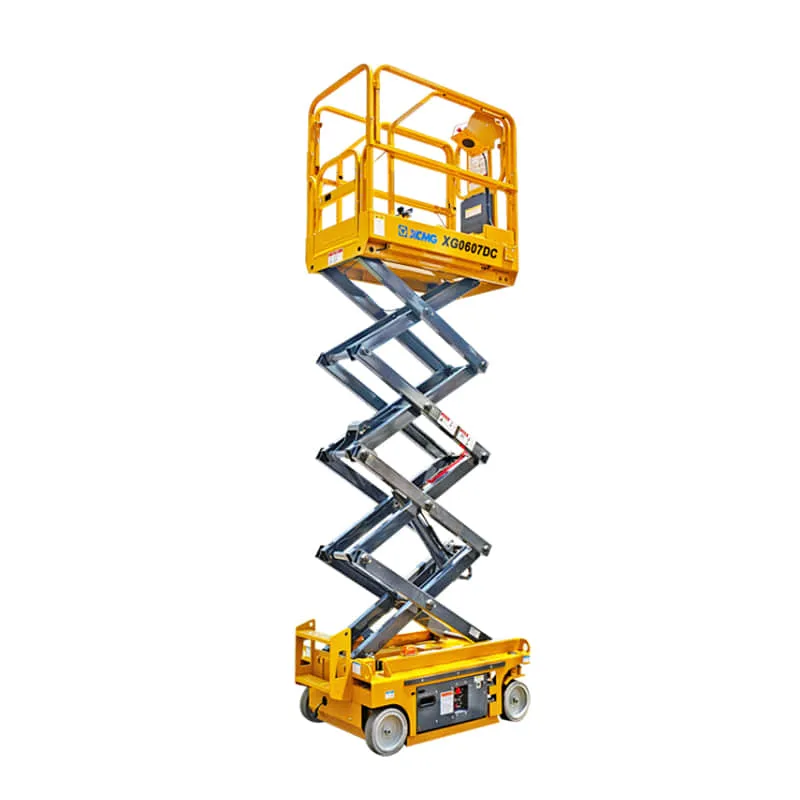
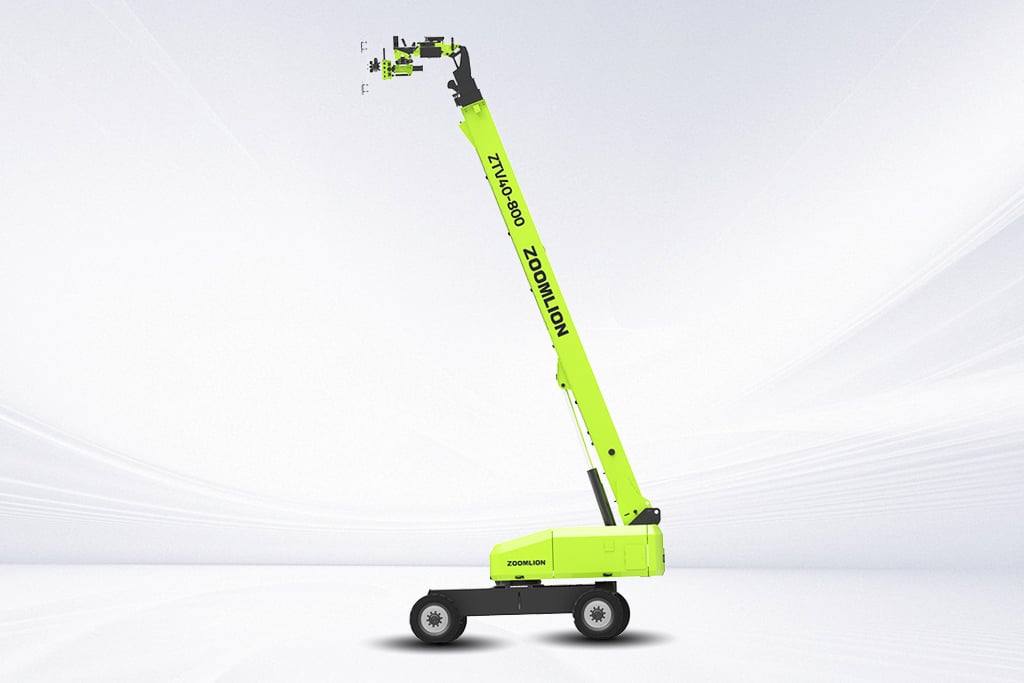
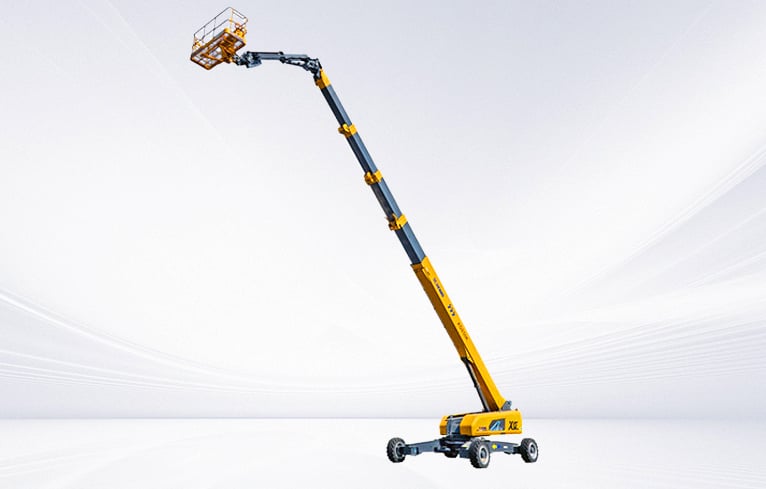
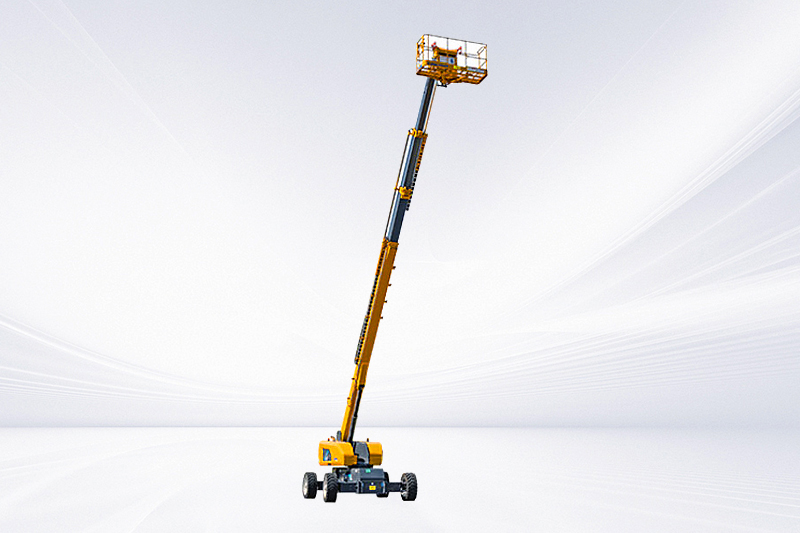
insulated aerial work platform
An insulated aerial work platform represents a specialized lifting solution designed for professionals who require safe access to elevated areas while working near electrical hazards. This innovative insulated aerial work platform combines traditional aerial access capabilities with advanced electrical safety features, making it an essential tool for electrical contractors, utility maintenance crews, and telecommunication specialists.
The insulated aerial work platform operates through hydraulic or electric power systems that elevate workers to heights ranging from 30 to 150 feet, depending on the model specifications. The primary function of an insulated aerial work platform involves providing stable, secure positioning for workers performing tasks such as electrical repairs, tree trimming, structural inspections, and maintenance activities.
Key technological features integrated into the insulated aerial work platform include fiberglass booms with non-conductive properties, reinforced platforms with slip-resistant surfaces, and sophisticated control systems with emergency descent capabilities. Advanced safety systems include load sensors, outrigger stabilization technology, and real-time monitoring equipment.
The insulated aerial work platform finds applications across diverse industries including electrical utility companies, construction firms, emergency response services, and facility maintenance operations. Organizations depend on the insulated aerial work platform to complete high-voltage tasks safely while maintaining compliance with OSHA and industry safety regulations. The equipment's versatility allows operations in various weather conditions and challenging terrain, making it indispensable for modern industrial maintenance programs.

 EN
EN