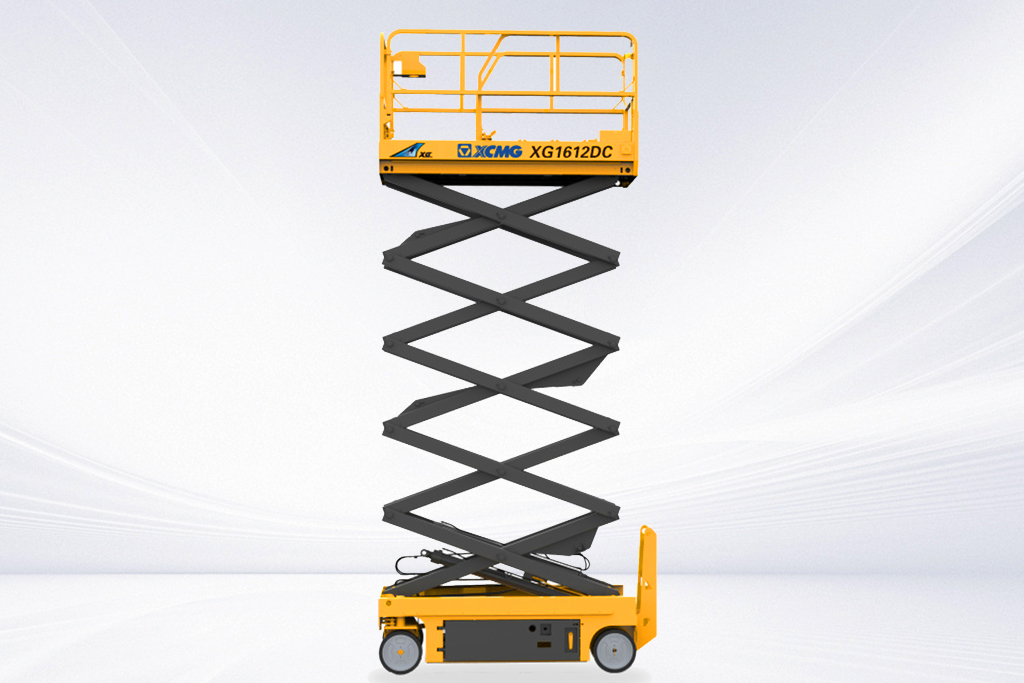
hydraulic aerial work platform
A hydraulic aerial work platform represents a versatile lifting solution engineered to elevate workers and equipment safely to significant heights for maintenance, construction, and installation tasks. This advanced machinery combines hydraulic power with precision engineering to deliver reliable vertical access across diverse industries.
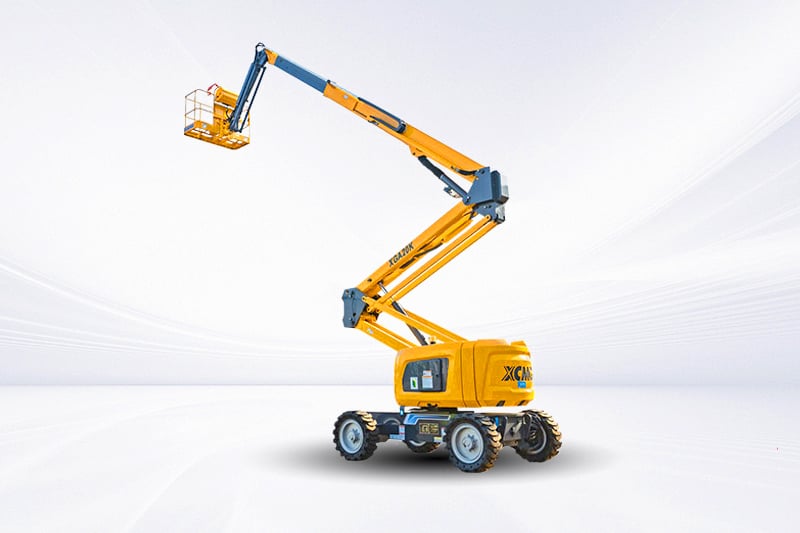
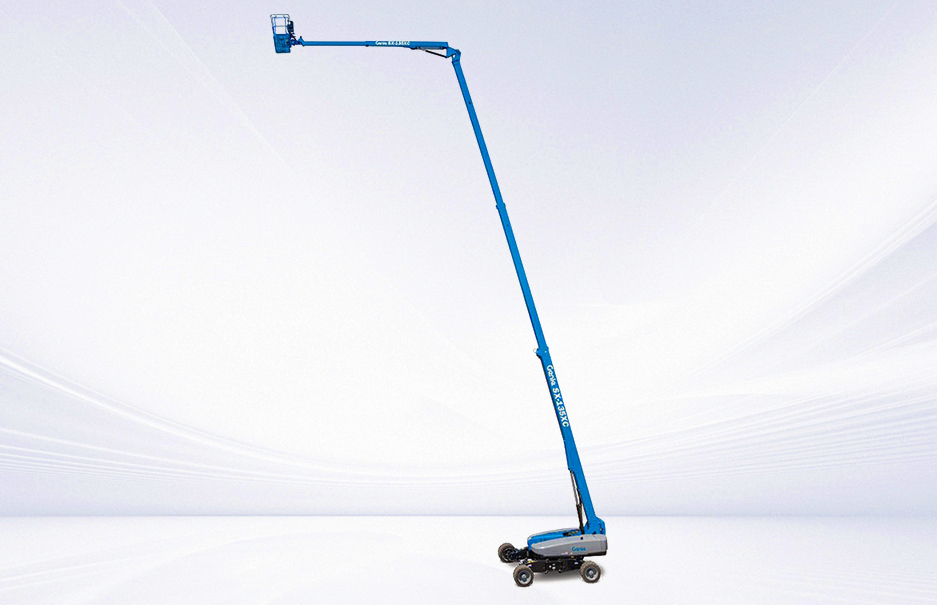
The hydraulic aerial work platform operates through a sophisticated hydraulic system that converts fluid pressure into powerful lifting force. The platform features telescopic or articulated booms that extend vertically or at various angles, allowing operators to reach challenging positions with exceptional control and stability. Modern hydraulic aerial work platform models incorporate sophisticated safety features including emergency descent systems, load sensors, and platform guardrails that protect workers throughout operations.
Technological innovations distinguish contemporary hydraulic aerial work platform designs. Advanced hydraulic cylinders provide smooth, consistent movement, while integrated control systems enable precise positioning. Many hydraulic aerial work platform units feature compact chassis designs that navigate tight spaces while maintaining impressive weight capacity and height capabilities.
Applications for the hydraulic aerial work platform span numerous sectors. Construction crews utilize these platforms for building maintenance, facade work, and structural installation. Utility companies deploy hydraulic aerial work platform equipment for electrical line maintenance and tree trimming operations. Industrial facilities employ these machines for equipment installation and facility upgrades. Retailers and event organizers use hydraulic aerial work platform solutions for display setup and maintenance access.
The hydraulic aerial work platform delivers consistent performance across demanding environments, combining power, precision, and safety into a single integrated solution for elevated work requirements.

 EN
EN