Telescopic Aerial Work Platform: Ultimate Guide to Height Access Solutions | Safety, Performance & Applications

All Categories

telescopic aerial work platform

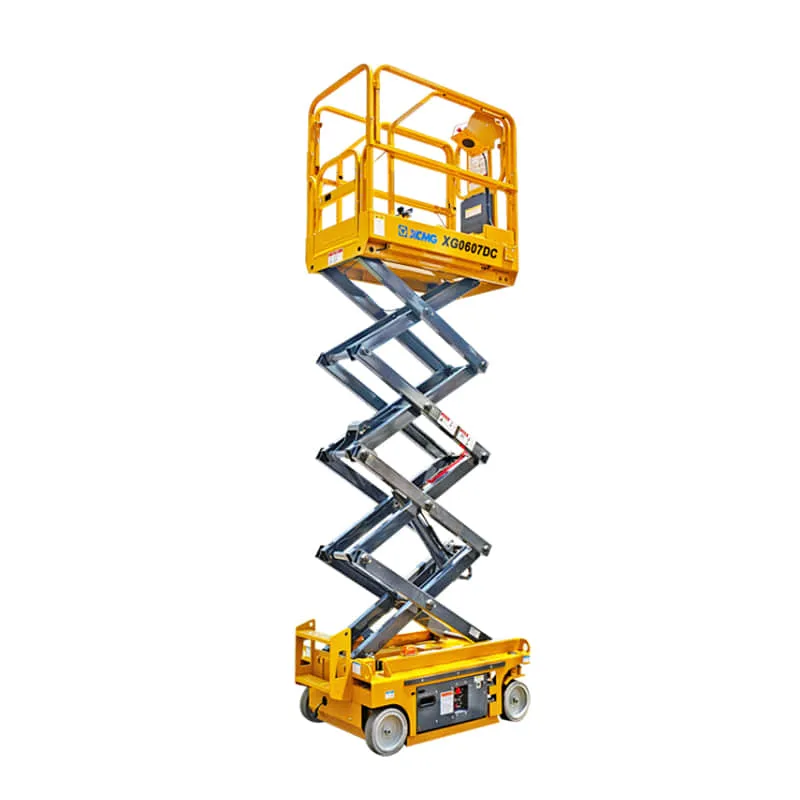
The telescopic aerial work platform represents a revolutionary advancement in elevated access equipment, designed to provide safe and efficient solutions for working at height. This sophisticated machinery combines telescopic boom technology with a stable platform system, enabling operators to reach extraordinary heights while maintaining precise control and safety standards. The primary function of a telescopic aerial work platform centers on extending workers and equipment to elevated positions through a hydraulically-powered telescopic arm that can extend both horizontally and vertically. This innovative design allows operators to access hard-to-reach areas that traditional ladders or scaffolding cannot accommodate. The platform incorporates advanced hydraulic systems that provide smooth, controlled movement in multiple directions, ensuring operators can position themselves exactly where needed. Technological features include computerized load management systems that automatically calculate weight distribution and platform stability, preventing dangerous overloading situations. Modern telescopic aerial work platforms feature proportional joystick controls that allow precise maneuvering, while integrated safety systems continuously monitor platform angle, extension limits, and ground conditions. Many models incorporate self-leveling capabilities that automatically adjust the platform to maintain horizontal positioning regardless of ground slope or boom angle. The applications for telescopic aerial work platforms span numerous industries and scenarios. Construction teams utilize these machines for building maintenance, window installation, exterior painting, and structural repairs. Utility companies depend on telescopic aerial work platforms for power line maintenance, telecommunications equipment installation, and tree trimming operations. Emergency services employ these platforms for rescue operations and fire suppression activities. Warehouse and industrial facilities use telescopic aerial work platforms for high-bay maintenance, inventory management, and equipment servicing. The versatility of these machines makes them indispensable for any organization requiring safe, efficient access to elevated work areas, offering superior reach capabilities compared to conventional lifting equipment while maintaining the flexibility to navigate tight spaces and complex environments.

New Product Releases

Telescopic aerial work platforms deliver exceptional advantages that transform how businesses approach elevated work tasks, providing tangible benefits that directly impact productivity and safety outcomes. These machines offer unmatched reach capabilities, extending far beyond traditional lifting equipment limitations while maintaining precise positioning control throughout the entire working range. Operators can access previously impossible locations, reducing project completion times and eliminating the need for multiple equipment setups. The enhanced safety features built into every telescopic aerial work platform significantly reduce workplace accidents and liability concerns. Automatic safety systems continuously monitor platform stability, preventing dangerous situations before they develop. Emergency descent capabilities ensure operators can safely return to ground level even during power failures or mechanical issues. Safety rails, harness attachment points, and non-slip platform surfaces provide multiple layers of protection for workers operating at height. Cost efficiency represents another major advantage of telescopic aerial work platforms. These versatile machines replace multiple pieces of traditional equipment, reducing rental costs, transportation expenses, and storage requirements. Single operators can accomplish tasks that previously required entire crews using ladders or scaffolding, dramatically reducing labor costs while improving project timelines. The rapid setup and breakdown capabilities of telescopic aerial work platforms minimize downtime between tasks, maximizing billable hours and project efficiency. Operational flexibility stands out as a key advantage, with telescopic aerial work platforms capable of navigating tight spaces, uneven terrain, and complex work environments. Compact base dimensions allow access through standard doorways and narrow passages, while four-wheel drive capabilities enable operation on challenging surfaces. The ability to position the platform precisely where needed eliminates time-consuming repositioning and reduces physical strain on operators. Maintenance requirements for modern telescopic aerial work platforms remain minimal compared to alternative lifting solutions. Robust construction and quality components ensure reliable performance with regular preventive maintenance, reducing unexpected breakdowns and repair costs. Many manufacturers provide comprehensive service support and readily available replacement parts, ensuring minimal operational disruptions. These combined advantages make telescopic aerial work platforms essential investments for businesses requiring regular elevated access, delivering measurable improvements in safety, productivity, and cost management while providing the flexibility to handle diverse working conditions and project requirements effectively.

Tips And Tricks

Cold Milling Machine Maintenance: Essential Tips

19

Jan

Cold Milling Machine Maintenance: Essential Tips

Proper maintenance of a cold milling machine is crucial for maximizing equipment lifespan, ensuring optimal performance, and reducing operational costs in road construction and rehabilitation projects. These sophisticated machines require systematic ...
View More
Comparing Asphalt vs Concrete Paving Machine Types

26

Dec

Comparing Asphalt vs Concrete Paving Machine Types

The construction industry relies heavily on specialized equipment to create durable and efficient roadway surfaces. When it comes to selecting the right paving machine for your project, understanding the fundamental differences between asphalt and co...
View More
Cold Milling Machine Safety: Best Practices Guide

19

Jan

Cold Milling Machine Safety: Best Practices Guide

Operating a cold milling machine requires comprehensive understanding of safety protocols and best practices to ensure optimal performance while protecting workers and equipment. These powerful construction machines are essential for road rehabilitat...
View More
Dump Truck Safety: 10 Critical Rules for Drivers

27

Feb

Dump Truck Safety: 10 Critical Rules for Drivers

Operating a dump truck requires specialized knowledge, extensive training, and unwavering attention to safety protocols. These massive vehicles play an essential role in construction, mining, and infrastructure projects worldwide, but their size and ...
View More

Get a Free Quote

Our representative will contact you soon.
Email
Name
Company Name
Message
0/1000

telescopic aerial work platform

Superior Height and Reach Performance

Superior Height and Reach Performance

The telescopic aerial work platform revolutionizes elevated access through its exceptional height and reach capabilities, setting new industry standards for versatility and operational efficiency. Unlike traditional lifting equipment that offers limited vertical reach, the telescopic boom design extends both upward and outward, providing unprecedented access to challenging work locations. Modern telescopic aerial work platforms can achieve working heights exceeding 150 feet while maintaining precise positioning control throughout the entire operating range. This remarkable reach capability eliminates the need for multiple equipment setups, reducing project complexity and completion times significantly. The telescopic boom technology incorporates multiple hydraulically-powered sections that extend smoothly and consistently, allowing operators to fine-tune their position with millimeter precision. This level of control proves invaluable when working around obstacles, delicate equipment, or in confined spaces where exact positioning determines project success. The horizontal reach capabilities of telescopic aerial work platforms often exceed 80 feet, enabling operators to access areas far from the machine base without repositioning. This extended reach proves particularly beneficial in construction projects, building maintenance, and industrial applications where ground-level positioning options may be limited. The combination of vertical height and horizontal reach creates a vast working envelope that encompasses previously inaccessible areas, expanding the scope of projects that can be completed efficiently and safely. Advanced boom design incorporates articulating joints that allow the platform to navigate around obstacles while maintaining optimal positioning. This articulation capability enables access to areas behind structures, under overhangs, or through tight openings that would be impossible with straight-boom equipment. The telescopic aerial work platform boom can often rotate 360 degrees, providing complete coverage around the machine base without requiring repositioning. Load capacity remains consistently high throughout the working envelope, with many telescopic aerial work platforms capable of supporting multiple operators and substantial tool loads even at maximum extension. This capability ensures productivity remains high regardless of working height or reach requirements, allowing teams to complete complex tasks efficiently while maintaining safety standards.
Advanced Safety Systems and Operator Protection

Advanced Safety Systems and Operator Protection

Safety represents the cornerstone of telescopic aerial work platform design, with manufacturers incorporating multiple layers of protection to ensure operator wellbeing and regulatory compliance. Modern telescopic aerial work platforms feature sophisticated computer-controlled safety systems that continuously monitor operating conditions and automatically prevent dangerous situations from developing. Load moment indicators calculate real-time platform stability based on boom position, load weight, and ground conditions, providing operators with instant feedback and preventing overloading scenarios that could compromise safety. These advanced systems incorporate automatic boom extension limits that prevent the platform from exceeding safe operating parameters, while slope sensors monitor ground conditions and restrict operation on unstable surfaces. Emergency descent systems ensure operators can safely return to ground level even during power failures or hydraulic system malfunctions, providing peace of mind during critical operations. Telescopic aerial work platforms incorporate redundant safety features that provide multiple backup systems for critical functions. Dual hydraulic circuits ensure continued operation if one system fails, while emergency manual controls allow operators to maintain platform control during electrical failures. Safety valves prevent uncontrolled descent, while pressure relief systems protect hydraulic components from damage. Platform design emphasizes operator protection through comprehensive guard rail systems, non-slip flooring, and secure harness attachment points. Many telescopic aerial work platforms feature self-leveling platforms that automatically adjust to maintain horizontal positioning regardless of boom angle or ground slope, reducing operator fatigue and improving working conditions. Cut-off switches strategically positioned throughout the platform allow operators to immediately stop all movement in emergency situations. Ground-level emergency controls enable rescue personnel to operate the telescopic aerial work platform from below if operators become incapacitated. Warning systems alert operators and ground personnel to potential hazards, while beacon lights and audible alarms ensure visibility during operation. Regular safety inspections and maintenance procedures prescribed by manufacturers ensure all safety systems remain functional and reliable throughout the equipment lifespan. Training programs provided by manufacturers and dealers ensure operators understand proper safety procedures and equipment limitations, reducing the likelihood of accidents and ensuring compliance with workplace safety regulations.
Exceptional Maneuverability and Versatility

Exceptional Maneuverability and Versatility

The exceptional maneuverability and versatility of telescopic aerial work platforms make them indispensable tools for diverse applications across multiple industries, providing solutions where traditional access equipment falls short. Compact base dimensions enable these machines to navigate through standard doorways, narrow aisles, and confined spaces that would be inaccessible to larger lifting equipment. Despite their impressive reach capabilities, telescopic aerial work platforms maintain surprisingly small footprints, allowing operation in crowded work environments without disrupting ongoing activities or requiring extensive area preparation. Four-wheel drive capabilities and advanced traction control systems enable telescopic aerial work platforms to operate effectively on various terrain conditions, from smooth concrete floors to rough outdoor surfaces. Oscillating axles maintain tire contact with uneven ground, ensuring stability and traction even on challenging surfaces. Some models feature rubber tracks instead of wheels, providing superior traction and reduced ground pressure for operation on sensitive surfaces or soft terrain. The ability to operate both indoors and outdoors makes telescopic aerial work platforms incredibly versatile, adapting to changing project requirements without equipment changes. Zero tail swing designs eliminate rear overhang concerns, allowing operators to work close to walls, shelving, or other obstacles without risk of contact. Proportional controls provide smooth, precise movement in all directions, enabling operators to position the platform exactly where needed regardless of space constraints. Multiple steering modes, including front-wheel, rear-wheel, and crab steering, enhance maneuverability in tight spaces and complex environments. Telescopic aerial work platforms excel in applications requiring frequent repositioning, with rapid setup and breakdown capabilities that maximize productive working time. Drive controls located on the platform allow operators to position the machine while elevated, eliminating the need to descend for minor adjustments and significantly improving efficiency. Variable speed controls enable precise positioning at slow speeds and rapid transit at higher speeds, adapting to specific task requirements. The versatility extends to power options, with electric models providing quiet, emission-free operation for indoor environments, while diesel and bi-fuel options deliver extended runtime and superior performance for demanding outdoor applications. Auxiliary power outlets and tool mounting points transform the telescopic aerial work platform into a mobile workstation, supporting various tools and equipment required for specific applications. This comprehensive versatility ensures telescopic aerial work platforms remain valuable assets across changing project requirements and diverse working conditions.
WeChat WeChat
WeChat
TopTop Whatsapp Whatsapp