
 EN
EN
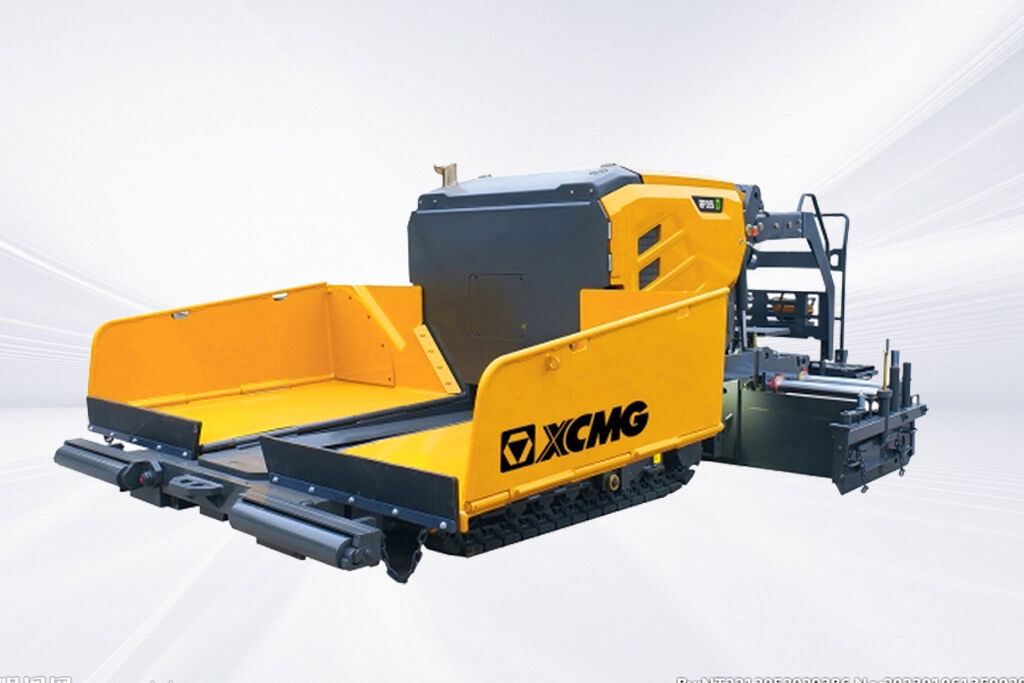
Selecting the right loader for construction operations is a critical decision that directly impacts project efficiency, operational costs, and overall productivity. The construction industry demands equipment that can handle diverse tasks while maintaining reliability under demanding conditions. A well-chosen loader becomes the backbone of material handling operations, determining how smoothly projects progress from foundation work to final completion.
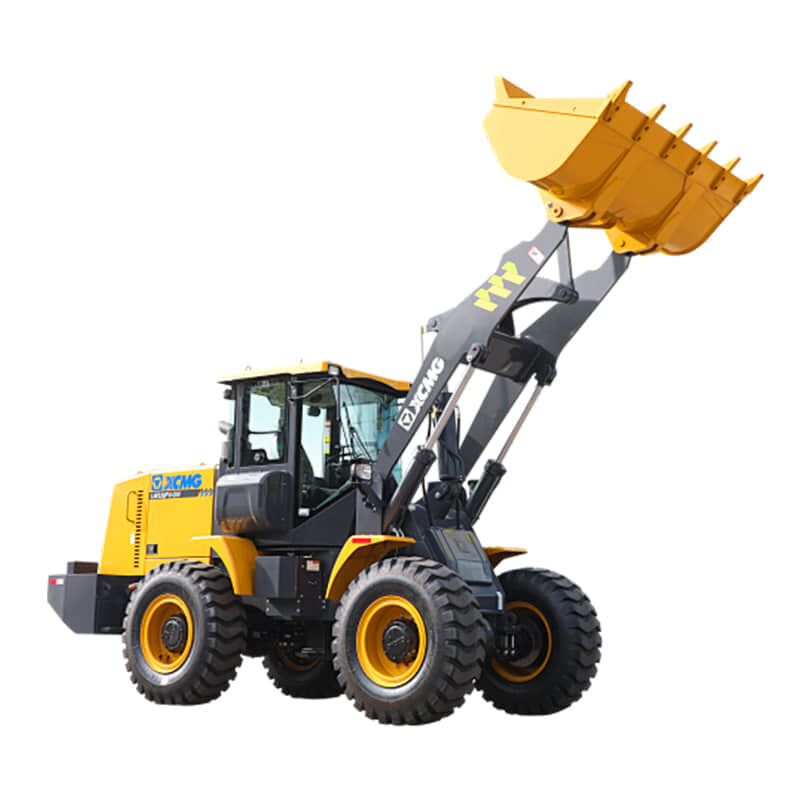
The loader selection process involves evaluating multiple technical specifications, operational requirements, and site-specific conditions. Construction professionals must consider factors ranging from engine power and lifting capacity to maneuverability and fuel efficiency. Understanding these selection criteria ensures that the chosen loader will meet both immediate project needs and long-term operational goals, providing the versatility and performance required in modern construction environments.
Understanding Loader Types and Applications
Wheel Loader Characteristics and Benefits
Wheel loaders represent the most versatile category of construction equipment, offering excellent mobility and operational flexibility across various terrain types. These machines feature rubber tires that provide superior speed on paved surfaces and moderate traction on unpaved areas. The loader's articulated design allows for tight turning radius, making them ideal for confined construction sites where space is limited.
The wheel loader configuration excels in loading trucks, stockpiling materials, and performing general material handling tasks. Their higher ground clearance compared to track loaders makes them suitable for rough terrain operations. Modern wheel loaders incorporate advanced hydraulic systems that deliver precise control for delicate operations while maintaining the power needed for heavy-duty applications.
Construction operations benefit from wheel loaders' ability to travel between job sites without requiring transport trailers. This mobility advantage reduces project logistics costs and allows contractors to deploy equipment more efficiently across multiple work locations. The loader's versatility extends to various attachments, transforming a single machine into multiple specialized tools.
Track Loader Performance and Suitability
Track loaders provide superior traction and stability on soft, muddy, or uneven surfaces where wheel loaders might struggle. The continuous track system distributes machine weight over a larger surface area, reducing ground pressure and minimizing site disturbance. This characteristic makes track loaders particularly valuable for environmentally sensitive construction projects.
The loader's lower center of gravity enhances stability during lifting operations, allowing for safer material handling on slopes and uneven terrain. Track systems deliver consistent performance in wet conditions, maintaining productivity when weather challenges would limit wheel loader effectiveness. These machines excel in applications requiring precise positioning and steady operation.
However, track loaders typically operate at slower speeds than wheel loaders and require transportation between distant job sites. The track system maintenance requirements differ from wheel loaders, with specific considerations for track tension, pad replacement, and undercarriage component wear. Understanding these operational characteristics helps contractors choose the appropriate loader type for specific project requirements.
Evaluating Technical Specifications and Performance Requirements
Engine Power and Hydraulic System Analysis
Engine power specifications directly influence loader performance across all operational parameters. Higher horsepower ratings typically correlate with increased lifting capacity, faster cycle times, and improved productivity in demanding applications. However, selecting excessive power for light-duty operations results in unnecessary fuel consumption and higher acquisition costs.
The hydraulic system design significantly impacts loader efficiency and operational capabilities. Modern loaders incorporate load-sensing hydraulic systems that automatically adjust flow and pressure based on operational demands. This technology optimizes fuel consumption while maintaining consistent performance across varying load conditions. The loader's hydraulic capacity determines lifting speed, crowding force, and overall responsiveness during material handling operations.
Construction professionals should evaluate hydraulic specifications including maximum flow rate, system pressure, and cycle times. These parameters directly affect productivity in repetitive loading operations. Advanced loader models feature multiple hydraulic modes, allowing operators to prioritize power delivery based on specific task requirements.
Lifting Capacity and Bucket Specifications
Bucket capacity and lifting specifications must align with typical material densities and job site requirements. Larger buckets increase productivity when handling light materials but may exceed weight limits when loading dense aggregates or concrete. The loader's rated operating capacity provides the maximum safe lifting weight at standard lift height and reach.
Tipping load specifications indicate the maximum weight a loader can lift before losing stability. Operating capacity typically represents 50% of tipping load for wheel loaders and 35% for track loaders, providing safety margins during normal operations. Understanding these relationships helps prevent equipment overloading and ensures safe operation in various material handling scenarios.
Lift height capabilities determine the loader's ability to load high-sided trucks or reach elevated stockpiles. Construction operations requiring frequent truck loading benefit from loaders with adequate lift height and reach specifications. The loader's breakout force affects its ability to penetrate compacted materials and load difficult-to-handle substances effectively.
Assessing Operational Environment and Site Conditions
Terrain Analysis and Ground Conditions
Site terrain characteristics fundamentally influence loader selection decisions. Rocky, uneven surfaces favor track loaders due to their superior stability and lower ground pressure distribution. Conversely, operations primarily on paved or firm surfaces benefit from wheel loader mobility and speed advantages. Mixed terrain applications require careful evaluation of predominant surface conditions.
Ground bearing capacity affects both loader selection and operational safety. Soft soils with low bearing capacity may require track loaders to prevent excessive rutting and site damage. The loader's ground pressure specifications must remain within acceptable limits for prevailing soil conditions. Construction projects in sensitive environmental areas often mandate low ground pressure equipment to minimize ecological impact.
Seasonal variations in ground conditions influence long-term loader suitability. Sites experiencing significant seasonal changes may require equipment capable of performing effectively across varying conditions. Understanding soil composition, drainage characteristics, and seasonal moisture variations helps predict loader performance throughout project duration.
Space Constraints and Maneuverability Requirements
Construction site layout significantly impacts loader selection, particularly in urban environments with limited working space. Compact loaders offer advantages in confined areas but may sacrifice lifting capacity and productivity. The loader's turning radius specifications must accommodate site-specific maneuvering requirements without compromising operational efficiency.
Overhead clearance restrictions in certain construction environments limit loader selection options. Projects involving work under bridges, in tunnels, or around existing structures require careful dimensional analysis. The loader's maximum height with bucket raised must provide adequate clearance margins for safe operation in restricted spaces.
Transport width considerations become critical when loaders must travel on public roads between work sites. Some loader configurations require special transport arrangements or route restrictions due to dimensional limitations. Understanding transportation requirements helps contractors evaluate total ownership costs and operational flexibility.
Economic Analysis and Total Cost of Ownership
Initial Investment and Financing Considerations
Initial acquisition costs represent only the first component of total loader ownership expenses. Higher-quality machines with advanced features typically command premium prices but often provide superior long-term value through improved reliability and productivity. Construction companies must balance initial investment with expected operational benefits and return on investment calculations.
Financing options significantly influence loader selection decisions, particularly for smaller contractors with limited capital resources. Lease arrangements may enable access to newer technology with predictable monthly expenses, while purchase options provide long-term asset ownership benefits. The loader's residual value projections affect financing terms and total ownership costs over the equipment lifecycle.
Tax considerations, including depreciation schedules and potential investment credits, influence the economic analysis of loader acquisition. Different financing structures provide varying tax advantages that may offset higher initial costs. Consulting with financial advisors helps optimize the economic benefits of loader investment decisions.
Operating Costs and Maintenance Requirements
Fuel consumption represents a significant ongoing operational expense that varies considerably between loader models and applications. Modern loaders incorporate fuel-efficient engine technologies and intelligent hydraulic systems that reduce consumption without compromising performance. Evaluating fuel efficiency specifications helps predict long-term operating costs and environmental impact.
Maintenance requirements directly affect loader availability and operational costs throughout the equipment lifecycle. Machines with longer service intervals and simplified maintenance procedures reduce downtime and labor expenses. The loader's design accessibility for routine maintenance tasks influences service efficiency and technician productivity.
Parts availability and service support quality significantly impact long-term ownership costs and equipment reliability. Established manufacturers typically provide comprehensive parts networks and technical support that minimize downtime during repairs. Local dealer support capabilities should be evaluated when selecting loader brands and models for specific geographic regions.
FAQ
What size loader is best for residential construction projects?
For residential construction, compact to mid-size wheel loaders with operating weights between 8,000-15,000 pounds typically provide the optimal balance of capability and maneuverability. These loaders offer sufficient lifting capacity for common residential materials while maintaining the compact dimensions necessary for neighborhood construction sites with limited access and space constraints.
How do I determine the right bucket size for my loader?
Bucket size selection depends on material density and typical load volumes. For general construction materials, choose a bucket capacity that allows loading to the loader's rated capacity without exceeding weight limits. Dense materials like concrete or wet soil require smaller buckets, while light materials like mulch or snow can utilize larger bucket capacities for improved productivity.
Should I buy or lease construction loaders?
The buy versus lease decision depends on usage patterns, financial resources, and technology preferences. High-utilization applications with consistent long-term demand favor purchasing, while seasonal or project-specific needs may benefit from leasing arrangements. Consider factors including tax implications, maintenance responsibilities, and desire for latest technology when evaluating financing options.
What attachments should I consider for construction loader versatility?
Essential attachments for construction applications include pallet forks for material handling, snow pushers for site maintenance, and various bucket configurations for specialized materials. Hydraulic attachments like augers, hammers, or grapples expand loader capabilities significantly. Evaluate attachment compatibility and hydraulic requirements when selecting a loader to ensure maximum versatility for diverse construction tasks.