
 EN
EN
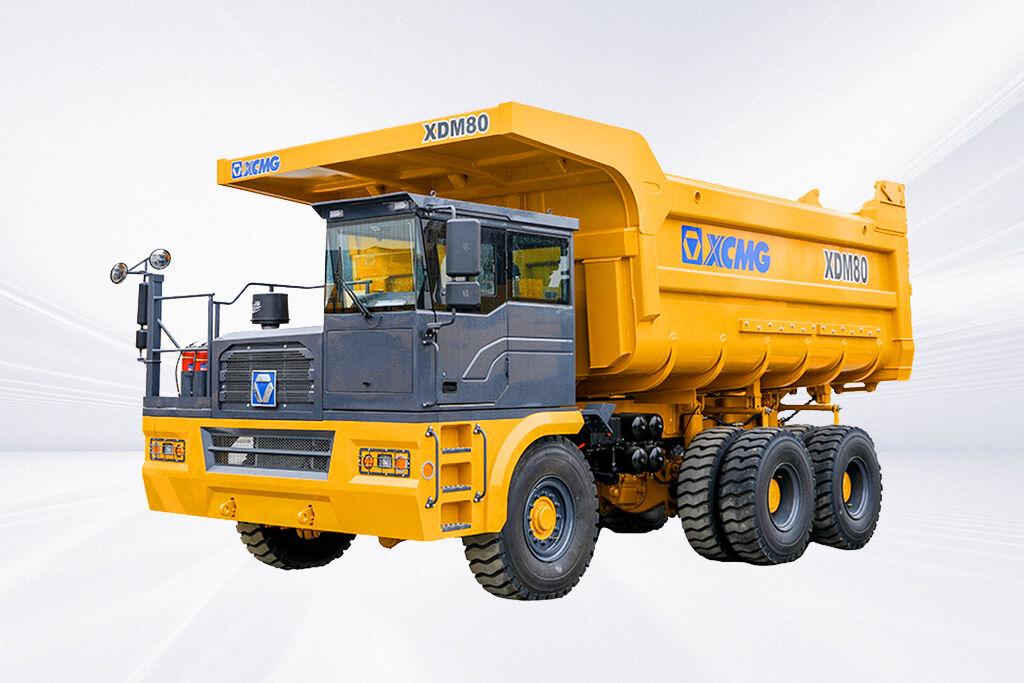
Construction site managers and fleet operators face a critical decision when selecting equipment: which dump truck body type best serves their specific operational needs. The choice between different dump truck configurations can significantly impact productivity, efficiency, and project success across various construction environments.
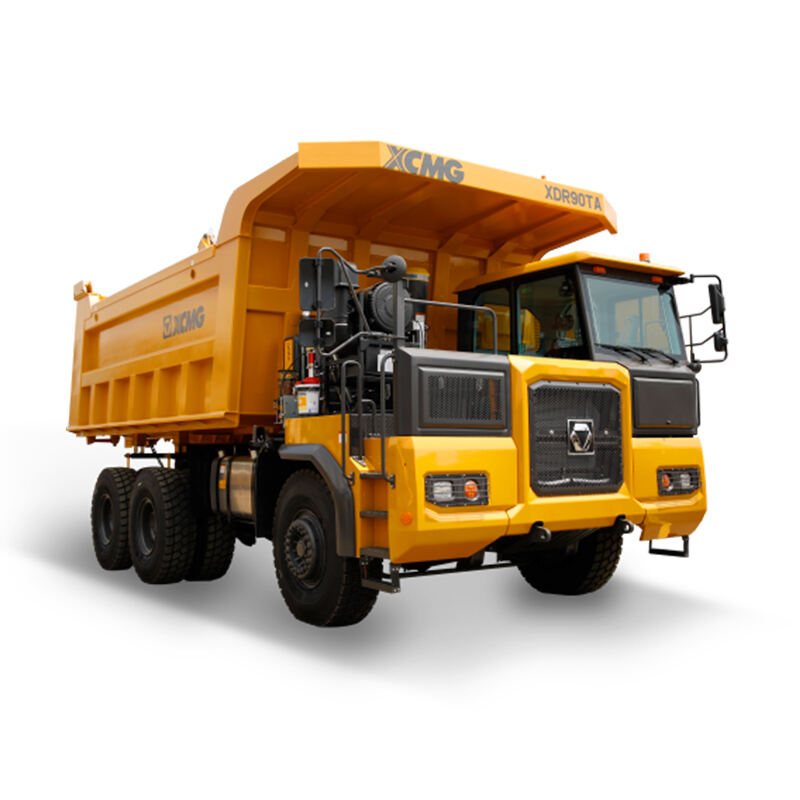
Understanding the relationship between construction site characteristics and dump truck body design becomes essential for maximizing return on investment and operational performance. Each body type offers distinct advantages depending on material handling requirements, site accessibility, and project specifications that define daily operations.
Standard Rear Dump Truck Bodies for General Construction
Versatility in Mixed Construction Applications
Standard rear dump truck bodies represent the most common choice for general construction sites due to their balanced performance across multiple applications. These conventional configurations excel in hauling loose materials like sand, gravel, dirt, and demolition debris through hydraulic lifting mechanisms that tilt the entire bed backward for efficient unloading.
The design flexibility of rear dump truck bodies accommodates various payload capacities, typically ranging from 10 to 40 cubic yards depending on chassis specifications. Construction managers appreciate this versatility because a single dump truck can handle different material types throughout project phases without requiring specialized equipment changes.
Site accessibility considerations favor rear dump configurations in standard construction environments where adequate space exists for backing up and dumping operations. The straightforward operation requires minimal specialized training, making these dump truck units ideal for projects with rotating operator crews or temporary staffing arrangements.
Payload Distribution and Stability Characteristics
Rear dump truck bodies distribute weight evenly across the chassis, providing excellent stability during transport and dumping operations. The center of gravity remains low during loading, reducing the risk of tipping incidents that could compromise site safety and equipment integrity.
Material discharge patterns from rear dump configurations create predictable pile formations, enabling construction crews to plan material placement strategies effectively. This consistency proves valuable in applications requiring precise material positioning, such as roadway construction or foundation preparation work.
The robust construction of standard rear bodies withstands repeated loading cycles and harsh construction site conditions. Heavy-duty steel fabrication and reinforced tailgate systems ensure long-term durability even when handling abrasive materials like crushed stone or recycled concrete aggregate.
Side Dump Configurations for Specialized Site Requirements
Enhanced Unloading Precision and Control
Side dump truck bodies offer superior material placement control compared to conventional rear discharge systems, making them particularly suitable for construction sites requiring precise dumping operations. The lateral discharge mechanism allows operators to create windrows or place materials in narrow spaces where rear dump access would be impossible.
Construction projects involving trenching, utility installation, or road widening benefit significantly from side dump capabilities. The ability to discharge materials while moving forward maintains traffic flow and reduces the need for extensive site preparation or temporary road closures during material delivery operations.
The rapid discharge rate of side dump truck systems increases operational efficiency on large construction projects where quick turnaround times directly impact productivity. Materials can be unloaded in approximately 15 seconds, compared to 30-45 seconds typically required for rear dump operations.
Site Layout and Space Optimization Benefits
Urban construction sites with limited maneuvering space often require side dump truck configurations to maintain operational efficiency. The ability to discharge materials without backing up or extensive positioning maneuvers reduces site congestion and minimizes conflicts with other construction equipment.
Linear construction projects such as pipeline installation, highway construction, or utility corridors particularly benefit from side dump capabilities. The dump truck can travel along the work zone while simultaneously placing materials exactly where needed, eliminating secondary handling operations.
Material segregation requirements on construction sites become easier to manage with side dump configurations. Different material types can be placed in specific areas without cross-contamination, supporting quality control protocols and reducing waste disposal costs.
Bottom Dump Systems for High-Volume Operations
Continuous Flow Applications and Efficiency
Bottom dump truck bodies excel in high-volume construction applications where continuous material flow takes precedence over precision placement. The gravity-fed discharge system creates consistent material distribution patterns ideal for large-area coverage such as parking lot construction, airport runway projects, or industrial site development.
The unique unloading mechanism allows bottom dump truck units to discharge materials while maintaining forward momentum, significantly reducing cycle times on projects requiring extensive material distribution. This capability proves particularly valuable in road construction where base materials must be spread over long distances efficiently.
Multi-compartment bottom dump configurations enable simultaneous transport of different material grades, supporting construction operations that require layered material placement or segregated material delivery to maintain specification compliance throughout the project.
Ground Clearance and Terrain Adaptability
Construction sites with uneven terrain or limited ground clearance present challenges that bottom dump truck designs address effectively. The low-profile discharge mechanism reduces the risk of equipment damage from overhead obstacles while maintaining full payload capacity in confined spaces.
Off-road construction applications benefit from the enhanced stability characteristics of bottom dump configurations. The lower center of gravity during transport operations improves safety margins on sloped terrain or unstable ground conditions commonly encountered in heavy construction environments.
Material handling efficiency increases substantially when bottom dump truck systems operate in conjunction with spreading equipment. The controlled discharge rate allows motorgraders or similar machinery to work immediately behind the dump truck, creating integrated material placement and finishing operations.
Articulated Dump Truck Bodies for Challenging Terrain
All-Terrain Capability and Site Access
Articulated dump truck designs provide superior performance on construction sites characterized by poor ground conditions, steep grades, or limited access routes. The articulated steering system and all-wheel drive capability enable these specialized dump truck units to navigate terrain that would challenge conventional rigid-frame vehicles.
Construction projects in mountainous regions, wetland areas, or undeveloped sites often require articulated dump truck capabilities to maintain material delivery schedules. The enhanced traction and maneuverability ensure consistent productivity despite challenging environmental conditions that might halt operations with standard equipment.
The compact dimensions and tight turning radius of articulated dump truck configurations make them ideal for construction sites with space constraints or complex layouts. Mining operations, quarry development, and large earthmoving projects frequently rely on articulated systems for their combination of capacity and maneuverability.
Load Distribution and Stability Management
Articulated dump truck bodies distribute loads across multiple axles, reducing ground pressure and minimizing site damage during repeated hauling cycles. This characteristic proves essential for construction projects where ground preservation requirements exist or where finished surfaces must remain undamaged during material transport operations.
The oscillating rear frame design allows articulated dump truck units to maintain wheel contact across uneven surfaces, ensuring consistent traction and reducing the likelihood of getting stuck in soft ground conditions. This reliability factor becomes critical for construction schedules where equipment downtime directly impacts project completion timelines.
Advanced suspension systems in articulated dump truck configurations provide operator comfort while protecting mechanical components from shock loads encountered in rough terrain applications. The result is extended equipment life and reduced maintenance costs compared to rigid-frame alternatives operating in similar conditions.
Selection Criteria Based on Construction Site Characteristics
Material Type and Handling Requirements
Construction site material characteristics directly influence dump truck body selection decisions. Cohesive materials such as clay or wet soil may require specific body designs with enhanced discharge mechanisms, while loose materials like sand or gravel work effectively with standard configurations across most dump truck types.
Abrasive materials including crushed stone, recycled concrete, or slag require dump truck bodies constructed with wear-resistant materials and reinforced discharge systems. The frequency of handling such materials should factor into long-term cost calculations when evaluating different body type options for construction fleet applications.
Temperature-sensitive materials or chemically reactive substances may necessitate specialized dump truck body coatings or linings to prevent contamination or material degradation during transport. Construction projects involving hazardous waste remediation or specialized industrial applications often require these enhanced specifications.
Site Layout and Operational Constraints
Physical site boundaries and access limitations play crucial roles in determining appropriate dump truck body configurations. Urban construction sites with narrow access roads may require smaller, more maneuverable units, while rural projects with ample space can accommodate larger capacity dump truck systems for improved efficiency.
Overhead clearance restrictions from bridges, power lines, or existing structures influence both dump truck selection and operational procedures. Sites with height limitations may require specialized body designs or operational modifications to maintain safety standards while achieving productivity goals.
Traffic management requirements on active construction sites often dictate dump truck operational patterns. Projects adjacent to busy roadways may benefit from side discharge capabilities that minimize traffic disruption, while isolated sites can utilize any configuration without external impact considerations.
FAQ
What factors determine the best dump truck body type for a specific construction site?
The optimal dump truck body type depends on material characteristics, site accessibility, space constraints, discharge precision requirements, and operational efficiency goals. Consider payload capacity needs, terrain conditions, overhead clearances, and the frequency of different material types when making selection decisions for construction applications.
How do site access limitations affect dump truck body selection?
Limited site access requires careful evaluation of turning radius, overall dimensions, ground clearance, and maneuverability characteristics. Narrow access roads may necessitate smaller dump truck configurations, while soft ground conditions might require articulated designs with enhanced traction capabilities to maintain operational reliability.
Can one dump truck body type handle all materials typically found on construction sites?
While standard rear dump truck bodies offer versatility across many material types, specialized applications may require specific configurations for optimal performance. Consider material adhesion characteristics, discharge requirements, and contamination prevention needs when evaluating whether a single body type meets all construction site material handling requirements.
What are the productivity differences between dump truck body types?
Productivity varies significantly based on application matching between dump truck body type and site requirements. Side dump configurations excel in linear applications, bottom dump systems maximize efficiency in high-volume spreading operations, while articulated units maintain productivity in challenging terrain where conventional dump truck designs might struggle or fail to operate effectively.
Table of Contents
- Standard Rear Dump Truck Bodies for General Construction
- Side Dump Configurations for Specialized Site Requirements
- Bottom Dump Systems for High-Volume Operations
- Articulated Dump Truck Bodies for Challenging Terrain
- Selection Criteria Based on Construction Site Characteristics
-
FAQ
- What factors determine the best dump truck body type for a specific construction site?
- How do site access limitations affect dump truck body selection?
- Can one dump truck body type handle all materials typically found on construction sites?
- What are the productivity differences between dump truck body types?