
 EN
EN
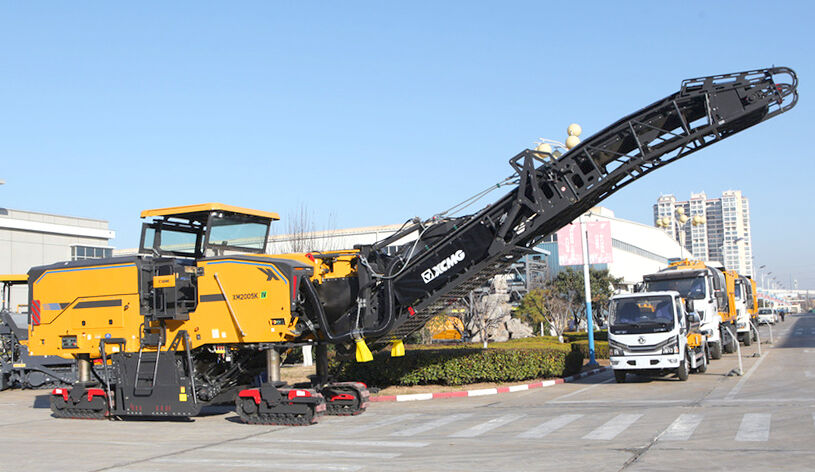
Selecting the right cold milling machine for heavy-duty construction projects requires careful evaluation of performance specifications, operational requirements, and project-specific demands. Heavy-duty applications such as highway reconstruction, airport runway refurbishment, and large-scale pavement removal demand robust equipment capable of sustained high-performance operation under challenging conditions.
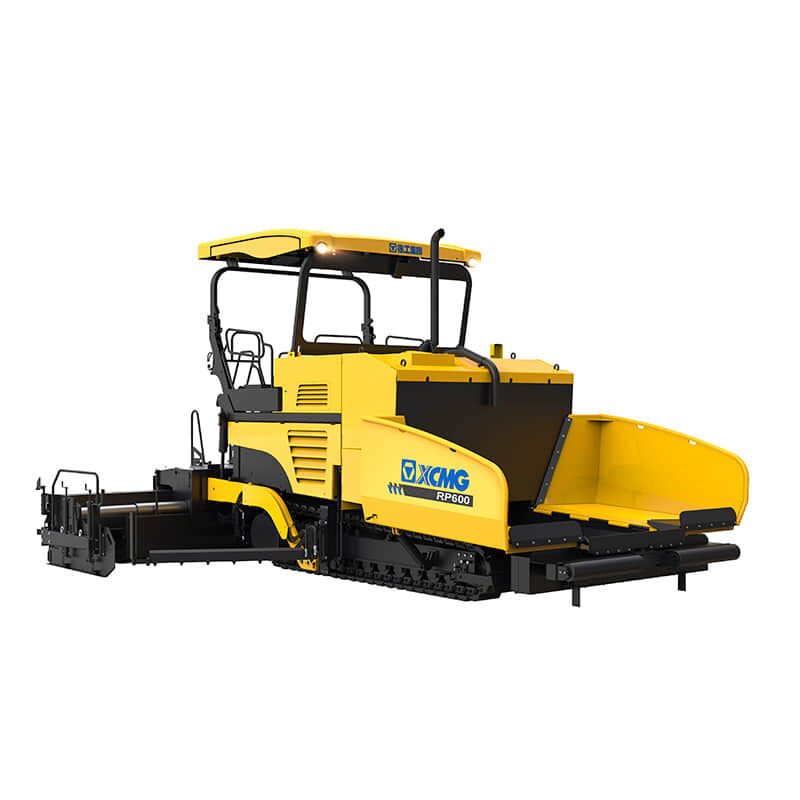
The decision process for cold milling machine selection involves analyzing multiple technical factors including cutting width capacity, engine power output, milling depth capabilities, and material handling efficiency. Understanding these critical selection criteria ensures optimal equipment performance while maximizing project productivity and minimizing operational costs throughout the equipment lifecycle.
Performance Specifications for Heavy-Duty Applications
Engine Power and Torque Requirements
Heavy-duty cold milling machine applications typically require engines delivering 400 to 800 horsepower to maintain consistent performance under demanding conditions. The engine power directly influences milling productivity, with higher horsepower units capable of maintaining optimal cutting speeds even when encountering varying pavement densities or embedded reinforcement materials.
Torque characteristics play an equally important role in equipment selection, particularly when working with thick asphalt layers or concrete surfaces. A cold milling machine designed for heavy-duty work should provide sufficient torque reserves to prevent engine lugging during peak load conditions, ensuring smooth operation and reducing mechanical stress on drivetrain components.
Modern cold milling machine designs incorporate advanced power management systems that automatically adjust engine output based on cutting conditions. These systems optimize fuel consumption while maintaining consistent milling performance, making them particularly valuable for extended heavy-duty operations where efficiency directly impacts project profitability.
Cutting System Capacity and Durability
The cutting system represents the most critical component when evaluating cold milling machine suitability for heavy-duty projects. Cutting width capabilities typically range from 6 to 13 feet for heavy-duty applications, with wider units providing higher productivity rates but requiring more precise operational planning and site access considerations.
Cutting depth capacity becomes particularly important for reconstruction projects requiring complete pavement removal. Heavy-duty cold milling machine models should offer maximum cutting depths of 12 to 18 inches, allowing single-pass removal of thick pavement sections without requiring multiple cutting operations that increase project duration and costs.
Cutting tool configuration and replacement systems significantly impact operational efficiency during heavy-duty applications. Premium cold milling machine designs feature quick-change tool systems that minimize downtime during tool replacement operations, while advanced tool monitoring systems provide real-time wear data to optimize replacement scheduling and prevent unexpected failures.
Operational Efficiency Factors
Material Handling and Transport Systems
Effective material handling capability distinguishes heavy-duty cold milling machine models from standard equipment options. The conveyor system must efficiently transport milled material from the cutting chamber to waiting haul trucks without creating bottlenecks that reduce overall project productivity.
Conveyor length and discharge height specifications directly influence operational flexibility during heavy-duty projects. Extended conveyor systems allow the cold milling machine to operate continuously while haul trucks position themselves safely away from the active cutting zone, improving site safety while maintaining optimal production rates.
Advanced material handling systems incorporate variable conveyor speeds that automatically adjust based on milling production rates and haul truck capacity. This automation reduces operator workload while ensuring consistent material flow, preventing material spillage that can create safety hazards and require additional cleanup operations.
Mobility and Site Adaptability
Heavy-duty cold milling machine operations often occur on projects with challenging site conditions, making mobility characteristics a crucial selection factor. Track-mounted units typically provide superior stability and traction compared to wheeled alternatives, particularly when working on slopes or uneven surfaces common in reconstruction projects.
Ground pressure distribution affects the cold milling machine ability to operate effectively without causing damage to underlying pavement structures or soft subgrade conditions. Lower ground pressure ratings enable operations in areas where wheeled equipment might cause rutting or structural damage, expanding project applicability and reducing site preparation requirements.
Maneuverability specifications become particularly important when working in confined spaces or around existing infrastructure. Compact cold milling machine designs with tight turning radii enable efficient operation in urban environments or areas with limited working space, while maintaining the performance capabilities required for heavy-duty applications.
Technology Integration and Control Systems
Automated Grade Control Technology
Modern cold milling machine designs incorporate sophisticated grade control systems that automatically maintain precise cutting depths and surface profiles throughout heavy-duty operations. These systems utilize laser or GPS technology to continuously monitor cutting depth relative to design specifications, reducing operator workload while improving finished surface quality.
Automated grade control becomes particularly valuable during heavy-duty projects requiring precise depth control across varying pavement conditions. The system compensates for equipment movement and surface irregularities, ensuring consistent cutting performance that meets project specifications without requiring constant manual adjustments from the operator.
Advanced cold milling machine control systems provide real-time feedback on cutting performance, material production rates, and equipment operating parameters. This data enables operators to optimize cutting speeds and depths for maximum efficiency while providing project managers with accurate production tracking for scheduling and cost control purposes.
Diagnostic and Monitoring Capabilities
Heavy-duty cold milling machine applications demand robust diagnostic systems that monitor critical component performance and predict maintenance requirements before failures occur. Comprehensive monitoring systems track engine parameters, hydraulic system pressures, cutting tool wear rates, and conveyor system performance to optimize operational efficiency.
Predictive maintenance capabilities integrated into modern cold milling machine designs help minimize unplanned downtime during critical heavy-duty projects. These systems analyze operational data to identify developing issues early, allowing maintenance teams to schedule repairs during planned downtime rather than experiencing unexpected equipment failures.
Remote monitoring technology enables off-site tracking of cold milling machine performance and location data, providing fleet managers with comprehensive operational visibility. This capability proves particularly valuable for contractors managing multiple heavy-duty projects simultaneously, enabling efficient resource allocation and equipment utilization optimization.
Economic Considerations and Total Cost of Ownership
Initial Investment and Financing Options
Heavy-duty cold milling machine acquisition represents a significant capital investment, with new equipment costs typically ranging from $800,000 to $2,000,000 depending on specifications and technology features. The initial investment decision should consider projected utilization rates, project types, and expected equipment lifespan to determine optimal return on investment scenarios.
Financing alternatives including lease arrangements, rent-to-own programs, and traditional equipment loans provide flexibility for contractors entering heavy-duty milling markets without substantial upfront capital requirements. Each financing approach offers different advantages regarding tax implications, equipment updates, and cash flow management that should align with specific business strategies.
Used cold milling machine options can provide cost-effective entry into heavy-duty applications, particularly for contractors with limited capital or uncertain long-term equipment needs. However, used equipment evaluation should include comprehensive mechanical inspections and maintenance history reviews to avoid unexpected repair costs that could eliminate initial savings advantages.
Operating Costs and Maintenance Requirements
Fuel consumption represents a major operating cost factor for heavy-duty cold milling machine operations, with consumption rates typically ranging from 15 to 35 gallons per hour depending on cutting conditions and equipment specifications. Modern engine designs with advanced fuel management systems can significantly reduce consumption while maintaining optimal performance levels.
Cutting tool costs constitute another significant expense category, with heavy-duty applications typically requiring more frequent tool replacement due to demanding cutting conditions. Understanding tool life expectations and replacement costs helps contractors accurately estimate project costs and develop competitive bidding strategies for heavy-duty milling work.
Scheduled maintenance requirements vary significantly between cold milling machine manufacturers and models, with some designs requiring more frequent service intervals or specialized maintenance procedures. Evaluating maintenance complexity and parts availability ensures that equipment selection supports efficient long-term operation without excessive downtime or service delays.
Project-Specific Selection Criteria
Highway and Infrastructure Projects
Highway reconstruction projects typically favor large cold milling machine models with cutting widths of 8 to 13 feet to maximize productivity across wide pavement surfaces. These projects often require sustained operation over extended periods, making reliability and fuel efficiency primary selection criteria alongside raw performance capabilities.
Interstate and major arterial projects frequently involve thick pavement removal requiring maximum cutting depth capabilities. A cold milling machine selected for these applications should provide cutting depths of 15 to 18 inches while maintaining consistent performance across varying asphalt mix densities and reinforcement materials commonly encountered in heavy-duty highway construction.
Traffic management considerations influence cold milling machine selection for highway projects, with equipment mobility and setup time affecting lane closure requirements and traffic impact minimization. Faster setup and breakdown capabilities reduce project impact on traffic flow while improving overall project scheduling flexibility.
Airport and Industrial Applications
Airport runway and taxiway renovation projects demand cold milling machine models with exceptional surface finish capabilities and precise depth control. These applications often require removal of thick concrete overlays or specialized pavement materials, necessitating equipment with robust cutting systems and advanced grade control technology.
Industrial facility paving projects may involve confined working spaces that limit cold milling machine size while still requiring heavy-duty performance capabilities. Compact high-performance models provide the necessary power and cutting capacity while offering the maneuverability required for facility maintenance and renovation projects.
Specialized pavement materials commonly found in industrial applications may require specific cutting tool configurations or modified operational parameters. Cold milling machine selection should consider the flexibility to accommodate various material types without compromising performance or requiring extensive equipment modifications.
FAQ
What engine horsepower is required for heavy-duty cold milling machine applications?
Heavy-duty cold milling machine applications typically require engines delivering between 400 and 800 horsepower to maintain optimal performance under demanding conditions. The specific horsepower requirement depends on cutting width, maximum cutting depth, and material handling capacity needed for the project type.
How does cutting width affect cold milling machine productivity in heavy-duty projects?
Cutting width directly impacts productivity rates, with wider cold milling machine models providing higher square footage removal per hour. However, wider units require more engine power, have higher operating costs, and may face site access limitations that could reduce overall project efficiency in certain applications.
What maintenance considerations are most important for heavy-duty cold milling machine operations?
Critical maintenance considerations include cutting tool replacement frequency and costs, engine service intervals, hydraulic system maintenance requirements, and conveyor system upkeep. Heavy-duty applications typically accelerate wear rates, making preventive maintenance scheduling and parts availability crucial for minimizing unplanned downtime.
Can smaller cold milling machine models handle heavy-duty project requirements?
Smaller cold milling machine models can handle certain heavy-duty applications but may sacrifice productivity rates and operational efficiency. The decision depends on specific project requirements, site constraints, and acceptable completion timelines rather than just the classification of the project as heavy-duty.
Table of Contents
- Performance Specifications for Heavy-Duty Applications
- Operational Efficiency Factors
- Technology Integration and Control Systems
- Economic Considerations and Total Cost of Ownership
- Project-Specific Selection Criteria
-
FAQ
- What engine horsepower is required for heavy-duty cold milling machine applications?
- How does cutting width affect cold milling machine productivity in heavy-duty projects?
- What maintenance considerations are most important for heavy-duty cold milling machine operations?
- Can smaller cold milling machine models handle heavy-duty project requirements?