
 EN
EN
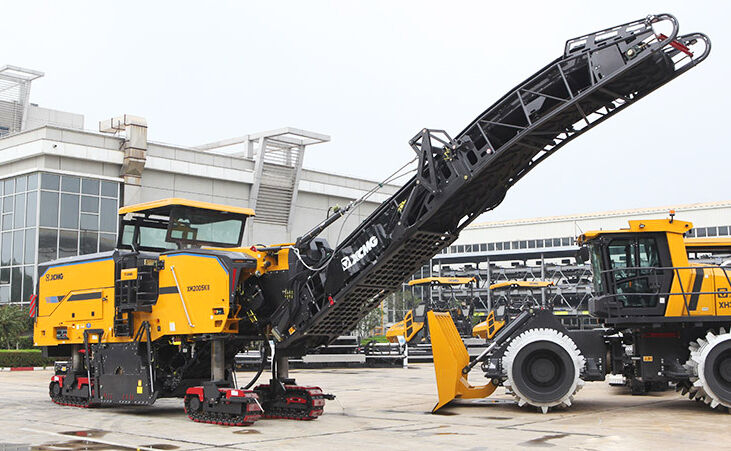
A cold milling machine stands as one of the most transformative pieces of equipment in modern road construction and rehabilitation projects. Understanding the advantages of this sophisticated machinery is crucial for construction professionals, road maintenance contractors, and project managers who need to make informed decisions about equipment investments and project methodologies. The benefits of a cold milling machine extend far beyond simple asphalt removal, encompassing environmental sustainability, cost-effectiveness, and operational efficiency that can significantly impact project outcomes.
The advantages of implementing a cold milling machine in construction operations span multiple dimensions, from immediate operational benefits to long-term strategic value creation. These machines have revolutionized how the construction industry approaches road surface preparation, pavement recycling, and infrastructure maintenance. By examining the comprehensive benefits that a cold milling machine provides, stakeholders can better appreciate why this equipment has become indispensable in contemporary road construction and maintenance workflows.
Economic Advantages and Cost Efficiency
Material Cost Reduction Through Recycling
One of the most significant advantages of a cold milling machine is its ability to dramatically reduce material costs through effective asphalt recycling. When a cold milling machine removes existing pavement, it creates reclaimed asphalt pavement (RAP) that can be processed and reused in new construction projects. This recycling capability means that contractors can reduce their dependence on virgin materials, which are often expensive and subject to price volatility in the marketplace.
The economic impact of material cost reduction becomes particularly pronounced in large-scale projects where thousands of tons of asphalt material would otherwise need to be purchased. A cold milling machine enables contractors to transform what would traditionally be waste material into valuable resources, effectively converting disposal costs into revenue streams. This transformation of waste into resource represents a fundamental shift in project economics that can improve profit margins substantially.
Furthermore, the quality of RAP produced by modern cold milling machine technology often meets or exceeds industry standards for reuse in new pavement construction. The precise cutting action and controlled removal process ensure that the reclaimed material maintains structural integrity and can be effectively incorporated into new asphalt mixes without compromising performance or durability.
Operational Cost Optimization
A cold milling machine offers substantial operational cost advantages through improved productivity and reduced labor requirements. The mechanized precision of a cold milling machine eliminates the need for extensive manual labor that would be required for traditional removal methods. This automation translates directly into reduced labor costs and improved safety outcomes, as fewer workers are exposed to potentially hazardous manual removal operations.
The operational efficiency of a cold milling machine also extends to project timeline acceleration. The rapid and precise removal capabilities mean that projects can be completed in significantly shorter timeframes compared to conventional methods. This time compression reduces overall project costs by minimizing equipment rental periods, reducing labor hours, and allowing contractors to move resources to additional projects more quickly.
Additionally, the precision control offered by a cold milling machine reduces waste and rework costs. The ability to remove exact depths and maintain precise grades means that less corrective work is needed during subsequent construction phases, further contributing to overall cost optimization.
Environmental Benefits and Sustainability
Waste Reduction and Resource Conservation
The environmental advantages of a cold milling machine are substantial and increasingly important as the construction industry faces growing pressure to adopt sustainable practices. The primary environmental benefit stems from the machine's ability to eliminate the need for landfill disposal of removed asphalt materials. Traditional demolition methods often result in millions of tons of asphalt waste being sent to landfills annually, contributing to environmental degradation and resource waste.
A cold milling machine transforms this environmental liability into an environmental asset by enabling complete material recovery and reuse. The on-site processing capability means that virtually 100% of the removed material can be captured and prepared for recycling, dramatically reducing the environmental footprint of road construction and maintenance projects.
The resource conservation benefits extend beyond waste reduction to include significant reductions in the demand for virgin aggregate and bitumen materials. By enabling high-quality RAP production, a cold milling machine helps preserve natural resources and reduces the environmental impact associated with quarrying and petroleum extraction operations.
Carbon Footprint Reduction
The carbon footprint advantages of a cold milling machine are multifaceted and significant in the context of modern environmental responsibility. The elimination of transportation costs associated with hauling waste materials to disposal sites represents a direct reduction in carbon emissions from heavy truck traffic. Similarly, the reduced need to transport virgin materials from production facilities to project sites further decreases transportation-related emissions.
The energy efficiency of modern cold milling machine designs also contributes to reduced carbon emissions during operation. Advanced engine technologies and optimized hydraulic systems ensure that the maximum amount of productive work is accomplished per unit of fuel consumed, minimizing the environmental impact of the milling operation itself.
Perhaps most significantly, the use of RAP in new construction reduces the energy requirements for asphalt production. Manufacturing new asphalt materials requires substantial energy inputs for heating and processing, while incorporating RAP into new mixes reduces these energy requirements proportionally, resulting in significant carbon footprint reductions across the entire project lifecycle.
Technical Performance and Precision Advantages
Superior Surface Preparation Quality
The technical advantages of a cold milling machine in surface preparation are unmatched by alternative removal methods. The precision cutting capabilities ensure that the prepared surface meets exact specifications for grade, slope, and texture, creating optimal conditions for new pavement installation. This precision is achieved through sophisticated depth control systems and cutting drum technologies that maintain consistent removal depths across varying surface conditions.
The surface texture created by a cold milling machine provides superior bonding characteristics for new asphalt layers. The mechanical texturing action creates microscopic surface irregularities that promote strong adhesion between old and new materials, improving the structural integrity and longevity of the finished pavement. This enhanced bonding reduces the likelihood of delamination and extends pavement service life.
Furthermore, a cold milling machine can accommodate complex geometries and irregular surfaces that would be difficult or impossible to address with other removal methods. The machine's ability to follow existing contours while maintaining precise depth control enables contractors to address challenging site conditions effectively.
Versatility and Adaptability
Modern cold milling machine designs offer exceptional versatility that enables contractors to address a wide range of project requirements with a single piece of equipment. Variable cutting widths, adjustable depth capabilities, and interchangeable cutting tools allow a cold milling machine to be configured for everything from narrow utility cuts to full-width highway rehabilitation projects.
The adaptability of a cold milling machine extends to different material types and surface conditions. Whether working with standard asphalt pavements, concrete surfaces, or composite materials, the machine can be configured with appropriate cutting tools and operating parameters to achieve optimal results. This versatility reduces the need for specialized equipment and simplifies project planning and execution.
Advanced control systems in modern cold milling machine designs enable operators to make real-time adjustments to cutting parameters, ensuring optimal performance across changing site conditions. This adaptability is particularly valuable in rehabilitation projects where surface conditions may vary significantly across the project area.
Operational Efficiency and Productivity Benefits
Enhanced Work Zone Safety
The safety advantages of a cold milling machine represent a critical benefit that extends beyond immediate operational considerations to encompass long-term workforce protection and liability management. The controlled, mechanized operation of a cold milling machine significantly reduces worker exposure to hazardous conditions associated with manual demolition methods, including dust exposure, physical injury risks, and traffic-related dangers.
Modern cold milling machine designs incorporate advanced dust suppression systems that minimize airborne particles during operation, protecting both operators and surrounding personnel from respiratory hazards. These systems typically include water spray mechanisms and collection systems that capture dust at the source, creating a safer and more comfortable working environment.
The precision control capabilities of a cold milling machine also enhance safety by reducing the need for workers to operate in close proximity to active removal operations. Remote control capabilities and automated depth control systems allow operators to maintain safe distances while ensuring precise execution of removal operations.
Project Timeline Acceleration
The productivity advantages of a cold milling machine translate directly into accelerated project timelines and improved schedule reliability. The rapid removal rates achievable with modern machines mean that what might take weeks to accomplish with traditional methods can often be completed in days, dramatically compressing project schedules and reducing disruption to traffic and surrounding activities.
The consistent performance characteristics of a cold milling machine provide project managers with reliable productivity metrics that enable accurate scheduling and resource planning. Unlike weather-dependent or labor-intensive methods, a cold milling machine can maintain consistent output rates across varying conditions, improving schedule predictability and reducing the risk of costly delays.
Additionally, the ability of a cold milling machine to complete removal and surface preparation in a single pass eliminates the multiple mobilization requirements associated with sequential operations, further compressing project timelines and reducing overall project costs.
FAQ
What types of projects benefit most from cold milling machine advantages?
Cold milling machine advantages are most pronounced in highway rehabilitation projects, airport runway maintenance, large parking lot renovations, and urban road reconstruction projects. These applications benefit from the machine's ability to handle large surface areas efficiently while producing high-quality RAP for reuse. The economic and environmental benefits become particularly significant in projects involving substantial quantities of existing pavement material.
How does a cold milling machine compare to traditional demolition methods in terms of cost-effectiveness?
A cold milling machine typically provides superior cost-effectiveness through reduced material costs, faster completion times, and elimination of disposal fees. While the initial equipment cost may be higher than traditional methods, the ability to produce sellable RAP, reduce labor requirements, and accelerate project timelines usually results in lower overall project costs and improved profitability for contractors.
What maintenance considerations are important for maximizing cold milling machine advantages?
Maximizing cold milling machine advantages requires regular maintenance of cutting tools, hydraulic systems, and dust suppression equipment. Proper tool selection and replacement schedules ensure optimal cutting performance and material quality. Regular system maintenance prevents costly breakdowns and maintains the productivity advantages that make cold milling machines economically attractive.
Can a cold milling machine handle different pavement types and thicknesses effectively?
Modern cold milling machine designs are engineered to handle various pavement types including asphalt, concrete, and composite surfaces across different thickness ranges. Adjustable cutting parameters and interchangeable tooling systems allow operators to optimize performance for specific material conditions, ensuring that the machine's advantages can be realized across diverse project requirements and site conditions.
Table of Contents
- Economic Advantages and Cost Efficiency
- Environmental Benefits and Sustainability
- Technical Performance and Precision Advantages
- Operational Efficiency and Productivity Benefits
-
FAQ
- What types of projects benefit most from cold milling machine advantages?
- How does a cold milling machine compare to traditional demolition methods in terms of cost-effectiveness?
- What maintenance considerations are important for maximizing cold milling machine advantages?
- Can a cold milling machine handle different pavement types and thicknesses effectively?