
 EN
EN
Safety considerations in aerial work platform operations extend far beyond basic equipment compliance, encompassing a comprehensive framework of structural integrity, operational protocols, and environmental adaptability. Understanding which safety factors truly matter can mean the difference between successful project completion and catastrophic workplace incidents, making this knowledge essential for construction managers, rental operators, and safety coordinators who depend on these elevated access solutions.
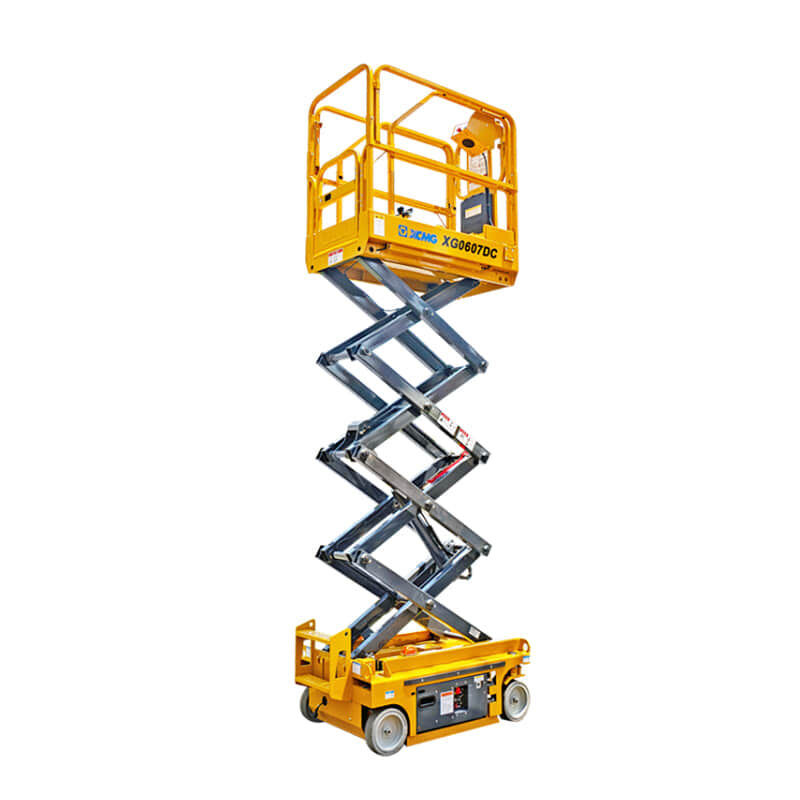
The complexity of modern aerial work platform safety requirements reflects the diverse operational environments these machines encounter, from indoor warehouse applications to outdoor construction sites with challenging terrain and weather conditions. Each safety factor contributes to a layered protection system where mechanical reliability, operator training, and environmental awareness work together to prevent accidents and ensure productive work at height.
Structural Integrity and Load Management
Platform Weight Distribution and Capacity Limits
The foundation of aerial work platform safety lies in understanding and respecting the structural limitations designed into each machine. Every aerial work platform carries specific weight ratings that include not just the personnel on the platform, but also tools, materials, and equipment that workers bring to the elevated work area. These capacity limits represent the maximum safe working load under ideal conditions, and exceeding them compromises the stability and structural integrity of the entire system.
Weight distribution across the platform deck plays an equally critical role in maintaining safe operations. Concentrated loads in specific areas can create stress points that exceed local structural limits even when total weight remains within overall capacity ratings. Professional operators learn to distribute personnel and materials evenly across the platform surface, avoiding clustering of heavy equipment or multiple workers in corner positions where leverage effects amplify the applied forces.
Dynamic loading considerations become particularly important when workers move around the platform or handle heavy materials at elevation. The sudden application of forces through rapid movements or dropped objects can create momentary loads that exceed static capacity ratings. Understanding these dynamic effects helps operators maintain appropriate safety margins and avoid sudden movements that could destabilize the aerial work platform during critical work phases.
Base Stability and Outrigger Configuration
Ground contact and base stability form the fundamental anchor point for aerial work platform operations, with outrigger configuration directly influencing the safe working envelope of the elevated platform. Proper outrigger extension and positioning create a stable base that can resist the overturning moments generated by platform loads, wind forces, and operational movements. Each outrigger must achieve firm, level contact with adequate ground bearing capacity to support its share of the total system load.
Uneven ground conditions require careful attention to individual outrigger adjustment and the use of appropriate float pads or cribbing materials to distribute loads over sufficient ground area. Soft soils, slopes, and underground utilities can all compromise outrigger effectiveness, requiring site-specific assessment and preparation before aerial work platform deployment. The relationship between base width and maximum platform height directly affects stability margins, with narrower base configurations requiring reduced working heights to maintain safe operation.
Automated leveling systems on modern aerial work platforms provide enhanced stability management, but operators must still understand the underlying principles of base stability to recognize when conditions exceed system capabilities. Visual inspection of outrigger contact, monitoring of level indicators, and awareness of ground conditions remain essential operator responsibilities regardless of automated system presence.
Operational Control Systems and Fail-Safe Mechanisms
Emergency Stop and Descent Capabilities
Emergency response capabilities built into aerial work platform control systems provide critical safety nets when normal operations encounter unexpected problems or hazardous conditions develop during elevated work activities. Emergency stop functions must be immediately accessible from both platform and ground control positions, allowing rapid system shutdown when dangerous conditions arise. These systems typically interrupt all powered movements while maintaining hydraulic pressure to prevent uncontrolled platform descent.
Manual descent capabilities ensure that personnel can return to ground level even when primary power or hydraulic systems fail. Hand-operated pumps, manual release valves, or backup power systems provide alternative methods for controlled platform lowering without dependence on the main power plant. Regular testing of emergency descent systems verifies their readiness for actual emergency conditions and familiarizes operators with the procedures required for safe emergency evacuation.
Communication systems between platform and ground personnel become essential safety tools when emergency procedures must be coordinated during descent operations. Clear protocols for emergency communication, including hand signals when electronic communication fails, help ensure coordinated response when aerial work platform operations encounter serious safety threats that require immediate evacuation.
Load Sensing and Stability Monitoring
Advanced aerial work platform designs incorporate electronic monitoring systems that continuously assess operational parameters and provide early warning of conditions that could compromise safety. Load sensing systems monitor platform weight and distribution, alerting operators when capacity limits approach dangerous levels before structural damage or instability occurs. These systems often integrate with machine controls to prevent operation when safe loading limits are exceeded.
Stability monitoring systems track the relationship between platform position, load distribution, and base configuration to calculate real-time stability margins. When stability calculations approach predetermined safety thresholds, the system can restrict further platform movement or require load reduction before continuing operations. This predictive approach to stability management helps prevent accidents by stopping dangerous operations before they reach critical instability points.
Tilt sensors and level monitoring provide additional layers of stability awareness, particularly important when aerial work platform operations occur on uneven surfaces or when ground conditions change during extended work periods. Integration of multiple monitoring systems creates redundant safety coverage that enhances overall operational safety through comprehensive awareness of machine status and environmental conditions.
Environmental Hazard Assessment and Protection
Wind Load Calculations and Weather Limitations
Wind forces represent one of the most significant environmental threats to aerial work platform safety, with wind loads increasing exponentially as platform height increases and creating overturning moments that can exceed machine stability limits. Manufacturer specifications typically include maximum wind speed ratings for safe operation, but these ratings assume ideal conditions with steady winds and no gusting effects. Real-world wind conditions often include gusting, turbulence, and directional changes that can create instantaneous forces well above steady-state wind speed calculations.
The surface area of personnel, tools, and materials on the platform contributes to total wind loading, with large sheets of material or equipment creating sail effects that dramatically increase wind forces on the elevated platform. Operators must consider not just current wind conditions but also weather forecasts and the potential for sudden weather changes that could create dangerous conditions during extended work periods at elevation.
Microclimate effects around buildings and structures can create localized wind conditions that differ significantly from general weather observations, requiring site-specific wind assessment for aerial work platform operations near tall buildings or in confined areas where wind acceleration and turbulence effects concentrate forces on the elevated platform.
Electrical Hazard Identification and Clearance Management
Electrical hazards pose severe risks to aerial work platform operations, particularly when work occurs near overhead power lines, electrical equipment, or within facilities with energized systems. Minimum approach distances vary based on voltage levels and must account for the full range of platform movement, including boom deflection under load and potential electrical arc distances. Even non-conductive aerial work platform materials can become hazardous when contaminated with moisture, dust, or conductive materials.
Site surveys before aerial work platform deployment must identify all electrical hazards, including primary power lines, secondary distribution systems, building electrical connections, and temporary power installations that might not be immediately obvious. Underground electrical systems can also pose hazards if outrigger placement or base preparation disturbs buried conductors or creates ground fault conditions.
Lockout and tagout procedures for nearby electrical systems provide additional protection when aerial work platform operations occur in proximity to electrical equipment that can be de-energized during work activities. Coordination with facility electrical personnel ensures proper isolation procedures and verification of safe electrical conditions before beginning elevated work near electrical hazards.
Operator Training and Competency Verification
Equipment-Specific Operational Training
Effective aerial work platform safety depends heavily on operator competency and thorough understanding of equipment-specific operational characteristics, control systems, and safety features. Different aerial work platform designs have unique operational requirements, capacity limitations, and safety considerations that require specialized training beyond general equipment operation principles. Operators must demonstrate proficiency with specific machine controls, safety systems, and emergency procedures for each type of aerial work platform they operate.
Hands-on training programs provide essential practical experience with equipment response characteristics, control sensitivity, and stability behavior under various loading and positioning conditions. Simulator training and controlled practice sessions help operators develop muscle memory for emergency procedures and understanding of how different operational choices affect machine stability and safety margins during actual work operations.
Certification programs verify operator competency through written examinations covering safety principles and practical demonstrations of safe operational procedures. Regular recertification ensures that operators maintain current knowledge of safety requirements and stay updated on evolving best practices for aerial work platform operations in various industrial and construction applications.
Hazard Recognition and Risk Assessment Skills
Professional aerial work platform operators develop advanced hazard recognition skills that enable proactive identification of conditions that could compromise safety before they become immediate threats. This includes assessment of ground conditions, overhead hazards, weather trends, and worksite activities that might affect aerial work platform operations. Systematic pre-operational inspections verify equipment condition and identify potential maintenance issues before they compromise operational safety.
Risk assessment capabilities help operators evaluate complex worksite conditions and make informed decisions about aerial work platform suitability for specific tasks and environments. Understanding the interaction between multiple risk factors enables operators to recognize when combinations of conditions create cumulative risks that exceed safe operational limits even when individual factors remain within acceptable ranges.
Communication skills for coordinating with ground personnel, other trades, and site supervision ensure that aerial work platform operations integrate safely with overall project activities. Clear communication protocols prevent conflicts between aerial work platform operations and other site activities while ensuring rapid response capabilities when emergency conditions develop.
FAQ
How often should aerial work platform safety systems be inspected?
Daily pre-operational inspections are required for all safety-critical systems, including emergency stops, descent controls, and load monitoring systems. Monthly detailed inspections should verify proper operation of all safety mechanisms, while annual certified inspections by qualified technicians ensure compliance with manufacturer specifications and regulatory requirements.
What wind speeds require suspension of aerial work platform operations?
Most aerial work platform manufacturers specify maximum sustained wind speeds of 25-35 mph for safe operation, but operations should cease when gusting conditions exceed these limits or when local wind effects create hazardous conditions. Site-specific wind assessment is essential, as building effects and terrain can create dangerous conditions even when general wind speeds appear acceptable.
Can multiple workers safely share an aerial work platform?
Multiple workers can safely share an aerial work platform provided the total weight including personnel, tools, and materials remains within rated capacity limits and weight distribution across the platform remains balanced. However, coordination of movements and clear communication becomes increasingly important to prevent sudden load shifts or conflicting control inputs that could compromise stability.
What qualifications are required for aerial work platform operators?
Operators must complete equipment-specific training programs that cover operational procedures, safety systems, hazard recognition, and emergency response protocols. Many jurisdictions require formal certification through recognized training organizations, with periodic recertification to maintain current competency and knowledge of evolving safety standards.