
 EN
EN
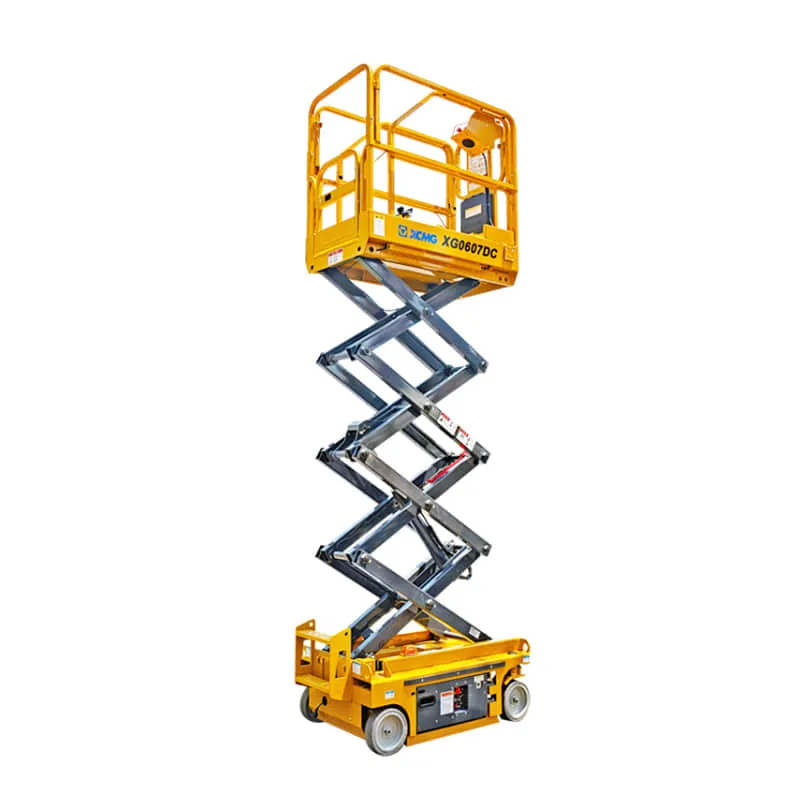
Selecting the right aerial work platform for contractors requires careful evaluation of project requirements, site conditions, and operational constraints. The decision-making process involves analyzing lift height needs, platform capacity, terrain conditions, and mobility requirements to ensure optimal productivity and safety on construction sites. Understanding these selection criteria helps contractors make informed decisions that directly impact project efficiency and cost-effectiveness.
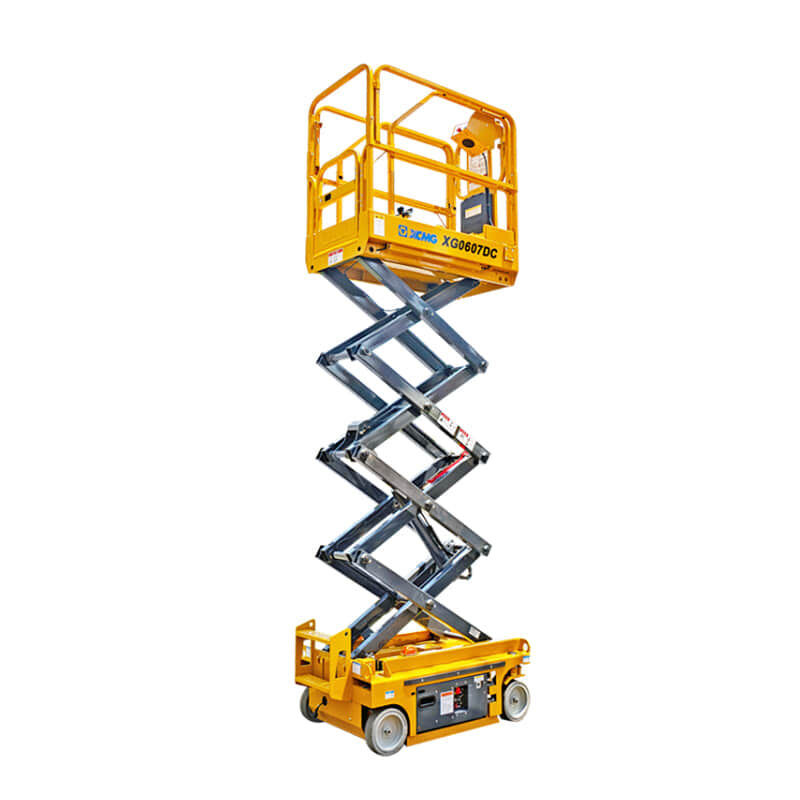
The selection process becomes more complex when contractors must balance performance specifications with budget constraints and project timelines. Each aerial work platform type offers distinct advantages for specific applications, making it essential to match equipment capabilities with actual job site demands. Proper selection methodology ensures that contractors invest in equipment that delivers maximum return on investment while maintaining strict safety standards throughout the project lifecycle.
Understanding Platform Types and Applications
Scissor Lift Platforms
Scissor lift aerial work platforms provide stable, large work areas ideal for tasks requiring multiple workers and tools at elevated heights. These platforms excel in indoor applications and smooth outdoor surfaces where their wide base offers exceptional stability. The vertical lift mechanism delivers consistent platform levelness, making them suitable for detailed work such as electrical installations, HVAC maintenance, and interior finishing tasks.
Electric scissor lifts work best in enclosed environments where emissions must be minimized, while rough terrain models handle outdoor construction sites with uneven ground conditions. The platform size typically ranges from compact units suitable for narrow aisles to large platforms accommodating multiple workers and substantial tool loads. Weight capacity considerations become critical when selecting scissor lift aerial work platforms for heavy-duty applications requiring extensive equipment and materials.
Boom Lift Configurations
Articulating boom lifts provide exceptional reach flexibility through multiple joint sections that bend around obstacles and access confined spaces. These aerial work platforms excel in applications requiring horizontal reach combined with vertical lift capability, such as building maintenance, tree trimming, and complex structural work. The articulated arm design allows operators to position the platform precisely where needed, even when base positioning is limited by site constraints.
Telescopic boom lifts offer maximum height and horizontal reach through a straight extending arm mechanism. This aerial work platform type suits applications requiring substantial reach distances, such as high-rise construction, industrial maintenance, and large-scale renovation projects. The telescopic design provides superior lifting capacity at extended reach compared to articulating models, making them ideal for heavy-duty applications requiring substantial tool and material loads at maximum extension.
Evaluating Site Conditions and Requirements
Ground Conditions Assessment
Ground surface analysis determines the appropriate aerial work platform drive system and stabilization requirements for safe operation. Smooth concrete floors accommodate standard electric models with solid tires, while rough outdoor terrain demands four-wheel drive units with pneumatic tires and enhanced ground clearance. Slope limitations vary significantly between platform types, with most aerial work platforms requiring level surfaces within specific grade tolerances for safe operation.
Soft ground conditions may require outrigger-equipped aerial work platforms that distribute weight across larger surface areas to prevent sinking or instability. Ground bearing capacity calculations become essential when working on recently backfilled areas, temporary surfaces, or elevated floors with weight restrictions. Environmental factors such as mud, snow, or debris can significantly impact traction and stability, requiring specialized tire compounds or track-driven aerial work platform configurations.
Workspace Accessibility
Access route evaluation ensures the selected aerial work platform can navigate to the work location without encountering insurmountable obstacles. Door widths, corridor dimensions, ceiling heights, and floor load capacities all influence equipment selection decisions. Narrow indoor spaces may require compact aerial work platforms with reduced overall dimensions, while maintaining adequate platform size for the intended work tasks.
Overhead clearance restrictions often limit aerial work platform options in warehouses, parking garages, and buildings with low ceilings or structural obstacles. Transport considerations include trailer requirements, delivery logistics, and on-site assembly needs for larger units that cannot be transported in operating configuration. The aerial work platform must fit through all access points while providing sufficient working height for the intended applications.
Analyzing Performance Specifications
Height and Reach Requirements
Working height calculations must account for platform height plus worker height and tool reach to determine actual work envelope requirements. Most aerial work platforms specify platform height, but effective working height typically adds six to eight feet for average worker reach. Horizontal reach requirements influence the choice between different boom configurations, with articulating units providing better obstacle navigation and telescopic units offering maximum straight-line reach.
Safety margins should be incorporated into height selections to accommodate unexpected requirements or site condition changes during project execution. Over-specifying height capability can lead to unnecessary costs and complexity, while under-specifying may require equipment changes mid-project. The aerial work platform selection should provide adequate height with reasonable safety margin while maintaining cost-effectiveness for the specific project requirements.
Load Capacity and Platform Size
Platform load capacity encompasses worker weight plus tools, materials, and equipment that will be elevated during operations. Standard capacities range from 500 pounds for single-worker applications to over 1000 pounds for multi-worker platforms with extensive tool requirements. The aerial work platform load rating may decrease at maximum extension or height, requiring careful analysis of capacity curves provided by manufacturers.
Platform dimensions affect both load capacity and work efficiency, with larger platforms accommodating more workers and materials but requiring more space for positioning and operation. Unrestricted platform capacity applies only at minimum height and reach positions, with reduced ratings as the aerial work platform extends to maximum capabilities. Dynamic load considerations include wind effects, worker movement, and tool operation forces that may exceed static weight calculations.
Safety Features and Compliance
Standard Safety Systems
Modern aerial work platforms incorporate multiple safety systems designed to prevent accidents and protect operators during normal and emergency situations. Tilt sensors automatically limit platform movement when the unit approaches unsafe angles, while load sensors prevent operation when weight limits are exceeded. Emergency lowering systems provide backup descent capability in case of primary power system failure, ensuring workers can safely return to ground level.
Fall protection anchor points and guardrail systems provide secondary protection for workers operating from the platform. The aerial work platform must include proper tie-off points that meet regulatory requirements for personal fall arrest systems. Motion alarms, strobe lights, and other warning devices help protect ground personnel and equipment operators by clearly indicating when the platform is in motion or positioned overhead.
Regulatory Compliance
Aerial work platform selection must consider applicable safety regulations, industry standards, and local requirements that govern equipment specifications and operation procedures. ANSI standards provide detailed requirements for platform construction, safety systems, and operational procedures that affect equipment selection decisions. Regular inspection and maintenance requirements may influence the choice between purchase and rental options for contractors.
Operator certification requirements vary by jurisdiction and may affect project staffing decisions when selecting aerial work platform types. Some regulations specify minimum training requirements or restrict certain platform types to certified operators only. Insurance considerations may also influence equipment selection, as some carriers offer preferred rates for specific aerial work platform types or manufacturers that demonstrate superior safety records.
Economic Factors and Total Cost Analysis
Purchase Versus Rental Decisions
Utilization analysis determines whether purchasing or renting an aerial work platform provides better economic value for contractors with varying project frequencies and durations. High-utilization scenarios often favor purchase decisions, while occasional use or specialized applications may benefit from rental arrangements. Seasonal work patterns can significantly impact the cost-effectiveness of ownership versus rental for aerial work platforms.
Maintenance costs, insurance requirements, storage needs, and depreciation factors must be considered in total cost calculations for aerial work platform ownership. Rental options eliminate maintenance responsibilities and provide access to newer equipment with updated safety features, but may result in higher long-term costs for frequently used units. Contractor cash flow considerations and equipment financing options also influence the purchase versus rental decision process.
Operational Cost Factors
Fuel consumption patterns vary significantly between different aerial work platform types and power systems, affecting project operating costs and environmental impact. Electric units typically offer lower operating costs in areas with reasonable electricity rates, while diesel-powered platforms provide longer operating periods without recharging but incur fuel and emission costs. Hybrid systems combine benefits of both power types but may involve higher initial costs.
Transport and setup costs can represent significant portions of total project expenses, particularly for short-duration jobs or remote locations. Larger aerial work platforms may require specialized trailers and permits, while compact units can often be transported on standard trailers. Setup time requirements affect project scheduling and labor costs, making quick-setup aerial work platform designs valuable for contractors handling multiple short-duration projects.
FAQ
What height aerial work platform do I need for two-story building work?
For two-story building work, contractors typically need aerial work platforms with 20-24 feet of platform height to reach second-story eaves and rooflines safely. This provides adequate working height when combined with worker reach for most residential and light commercial applications. Consider adding 2-4 feet of safety margin for unusual building heights or specific task requirements.
Can aerial work platforms operate safely on sloped surfaces?
Most aerial work platforms can operate on slopes up to 25-30% grade when equipped with appropriate tires and stabilization systems. However, specific slope ratings vary by model and manufacturer, with some units limited to 5-10% grades for safe operation. Always consult manufacturer specifications and conduct site evaluations before operating on sloped terrain, as exceeding rated limits creates serious safety hazards.
How do I calculate the required platform capacity for my project?
Calculate platform capacity by adding worker weights plus all tools, materials, and equipment that will be elevated simultaneously during work tasks. Include safety margins of 20-30% above calculated loads to account for dynamic forces and unexpected requirements. Remember that aerial work platform capacity ratings may decrease at maximum height or reach positions, requiring verification of capacity curves for specific operating conditions.
What maintenance considerations affect aerial work platform selection?
Maintenance requirements vary significantly between aerial work platform types, with electric units generally requiring less routine maintenance than diesel-powered models. Consider availability of local service support, parts accessibility, and required maintenance intervals when selecting equipment. More complex systems like articulating booms typically require more specialized maintenance than simpler scissor lift designs, affecting long-term operating costs and equipment availability.