
 EN
EN
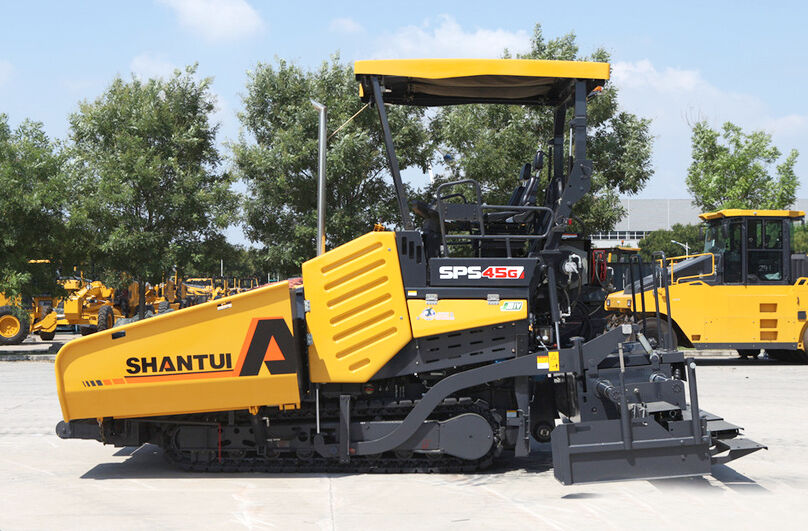
A paving machine serves as the cornerstone technology for achieving superior surface quality in modern road construction and infrastructure projects. The precision engineering behind these sophisticated machines transforms raw asphalt materials into smooth, durable surfaces that meet stringent quality standards and regulatory requirements. Understanding the mechanisms through which a paving machine enhances surface quality reveals why these machines have become indispensable in contemporary construction operations.
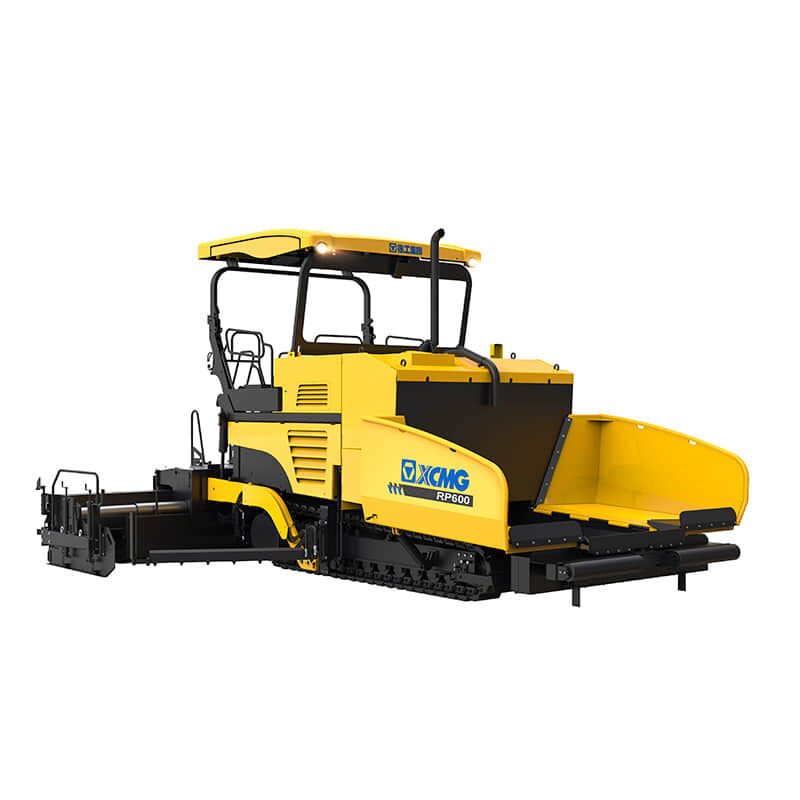
The transformation of surface quality through advanced paving machine technology involves multiple integrated systems working in precise coordination. From material feeding mechanisms to screed plate operations, each component contributes to the systematic improvement of pavement characteristics including smoothness, density, uniformity, and structural integrity. This comprehensive approach ensures that the final surface meets both immediate performance requirements and long-term durability expectations.
Material Distribution and Uniformity Control
Automated Feed System Operations
The automated feed system within a paving machine establishes the foundation for superior surface quality by ensuring consistent material distribution across the entire paving width. Advanced conveyor mechanisms transport asphalt mixture from the hopper to the auger system with precise timing and volume control. This systematic approach eliminates the material segregation and inconsistencies that commonly occur with manual spreading methods.
Modern paving machine feed systems incorporate sensors and control algorithms that monitor material flow rates in real-time. These systems automatically adjust conveyor speeds and auger rotation to maintain optimal material placement regardless of paving speed variations or material characteristics. The result is a uniform foundation layer that eliminates weak spots and ensures consistent pavement performance across the entire surface area.
The precision of automated feed systems directly impacts surface texture and structural integrity. By maintaining consistent material depth and distribution patterns, the paving machine eliminates the surface irregularities that can develop into premature pavement failures. This controlled distribution process ensures that each square meter of pavement receives the exact amount of material needed for optimal performance characteristics.
Auger System Precision
The auger system represents a critical component in surface quality improvement, functioning as the final material distribution mechanism before screed operations. Advanced auger designs feature variable-pitch spirals and hydraulic drive systems that maintain consistent material flow even when paving conditions change. This precision ensures that material reaches every area of the screed chamber with uniform depth and composition.
Contemporary paving machine auger systems incorporate independent hydraulic drives for left and right sections, allowing operators to fine-tune material distribution based on real-time surface conditions. This capability proves essential when paving around obstacles or adjusting for varying material characteristics. The result is improved surface uniformity and reduced likelihood of segregation-related quality issues.
The synchronized operation between auger systems and material flow sensors creates a feedback loop that continuously optimizes distribution patterns. This technology enables the paving machine to automatically compensate for material density variations and maintain consistent surface characteristics throughout the paving operation. The precision of these systems directly translates to improved pavement longevity and performance.
Screed Technology and Surface Smoothness
Heated Screed Plate Operations
The heated screed plate system within a paving machine serves as the primary mechanism for achieving exceptional surface smoothness and density. These sophisticated plates operate at precisely controlled temperatures that maintain optimal asphalt workability while preventing material adhesion that could compromise surface quality. The thermal management system ensures consistent heat distribution across the entire screed width.
Advanced screed plate technology incorporates multiple heating zones with independent temperature controls, allowing operators to adjust thermal conditions based on material specifications and ambient weather conditions. This precision temperature management prevents both overheating that could damage asphalt properties and insufficient heating that might result in poor surface texture. The result is a perfectly conditioned surface ready for compaction operations.
The floating screed design allows the paving machine to automatically adjust to minor grade variations while maintaining consistent surface elevation. This self-leveling capability eliminates the manual adjustments required with traditional paving methods and ensures smooth transitions across the entire project area. The combination of heat control and floating operation produces surfaces with minimal texture variation and optimal compaction preparation.
Hydraulic Crown Control Systems
Hydraulic crown control systems enable paving machine operators to create precise surface profiles that optimize drainage and structural performance. These systems provide millimeter-level accuracy in cross-slope adjustment, ensuring that finished surfaces meet exact engineering specifications for water management and load distribution. The precision of hydraulic controls eliminates the guesswork associated with manual profile adjustment.
Modern crown control technology incorporates digital positioning systems that maintain consistent cross-slope throughout paving operations regardless of underlying surface variations. This capability proves particularly valuable when paving over existing surfaces with irregular profiles or when creating complex drainage patterns. The paving machine automatically maintains the programmed crown settings while adapting to changing conditions.
The integration of crown control with grade and slope reference systems creates a comprehensive surface geometry management solution. This technology enables the paving machine to produce surfaces that meet stringent smoothness specifications while maintaining proper drainage characteristics. The result is improved surface quality that combines structural integrity with functional performance requirements.
Compaction Integration and Density Achievement
Tamper Bar Mechanisms
The tamper bar mechanism within a paving machine provides the initial compaction phase that establishes foundation density for superior surface quality. These vibrating bars operate at precisely controlled frequencies and amplitudes that consolidate the asphalt mixture without segregating aggregate particles. The systematic compaction process creates a stable foundation that supports subsequent rolling operations.
Advanced tamper bar systems feature variable frequency controls that allow operators to optimize compaction energy based on material characteristics and thickness requirements. This adaptability ensures that different asphalt mixtures receive appropriate compaction treatment regardless of aggregate gradation or binder properties. The paving machine automatically adjusts tamper parameters to maintain consistent density across varying conditions.
The positioning of tamper bars within the screed chamber creates a pre-compaction zone that eliminates voids and air pockets before final surface formation. This preliminary densification process significantly improves the effectiveness of subsequent compaction operations and reduces the number of roller passes required to achieve target density. The result is improved surface uniformity and enhanced structural characteristics.
Vibrating Screed Integration
The vibrating screed system represents the final surface treatment phase within paving machine operations, providing the smooth finish that characterizes high-quality pavement surfaces. These systems operate at carefully calibrated frequencies that consolidate surface materials without creating texture irregularities or aggregate segregation. The precision of vibrating screed operations directly impacts final surface quality.
Contemporary paving machine screed systems incorporate multiple vibration zones with independent frequency controls, enabling operators to optimize surface treatment based on material properties and project specifications. This selective approach ensures that sensitive areas receive appropriate treatment while maintaining productivity across the entire paving width. The technology eliminates the surface defects that commonly result from over-vibration or insufficient consolidation.
The integration of vibrating screed systems with material flow controls creates a synchronized operation that maintains consistent surface characteristics throughout paving operations. This coordination ensures that vibration energy is applied to properly prepared material at optimal timing for maximum effectiveness. The paving machine produces surfaces with uniform texture and density that meet the most demanding quality specifications.
Quality Control and Monitoring Systems
Real-Time Surface Analysis
Modern paving machine technology incorporates sophisticated monitoring systems that provide real-time analysis of surface quality parameters during construction operations. These systems utilize laser scanning and ultrasonic measurement technologies to continuously evaluate surface smoothness, thickness uniformity, and profile accuracy. The immediate feedback enables operators to make corrective adjustments before quality issues become permanent.
The integration of GPS positioning with surface analysis systems creates detailed quality documentation that tracks performance across entire project areas. This technology enables the paving machine to identify areas requiring additional attention and provides verification that finished surfaces meet specification requirements. The comprehensive data collection supports both quality assurance and project documentation needs.
Advanced monitoring systems also track machine performance parameters that influence surface quality, including screed temperature distribution, material flow rates, and compaction energy levels. This comprehensive approach enables operators to correlate machine settings with surface quality outcomes and optimize operations for consistent results. The paving machine becomes a precision instrument rather than simply a material placement tool.
Automated Adjustment Protocols
Automated adjustment protocols within modern paving machine systems respond to quality monitoring data by implementing corrective actions without operator intervention. These systems continuously analyze surface quality parameters and automatically adjust machine settings to maintain optimal performance. The result is consistent surface quality regardless of changing conditions or operator experience levels.
The sophistication of automated adjustment systems enables paving machine operations to maintain quality standards that exceed traditional manual control capabilities. These systems process multiple data streams simultaneously and implement coordinated adjustments across material flow, screed positioning, and compaction systems. The comprehensive approach ensures that all quality factors remain within specification limits.
The learning capabilities of advanced control systems enable the paving machine to improve performance over time by analyzing historical data and identifying optimal setting combinations for specific material types and project conditions. This adaptive technology ensures that surface quality continues to improve as the system accumulates operational experience and refines its adjustment algorithms.
FAQ
How does a paving machine ensure consistent thickness across the entire surface?
A paving machine maintains consistent thickness through automatic screed control systems that reference grade stakes or stringlines to maintain precise elevation. The floating screed design automatically adjusts to minor variations while hydraulic controls enable operators to make thickness adjustments during operation. Material flow sensors ensure uniform distribution across the screed width, while auger systems prevent segregation that could affect thickness uniformity.
What role does screed temperature play in surface quality improvement?
Screed temperature directly influences surface quality by maintaining optimal asphalt workability and preventing material adhesion to the screed plates. Properly heated screeds ensure smooth material flow and prevent texture irregularities that can develop when material cools too quickly. Temperature control systems maintain consistent heat distribution across the screed width, ensuring uniform surface characteristics and optimal preparation for compaction operations.
Can a paving machine improve surface quality on irregular base surfaces?
Yes, a paving machine can significantly improve surface quality even when working over irregular base surfaces through its floating screed system and automatic grade control capabilities. The machine's ability to maintain consistent elevation references while adapting to base irregularities ensures that the finished surface meets smoothness specifications regardless of underlying conditions. Advanced leveling systems compensate for base variations while maintaining proper material thickness and surface geometry.
How do modern paving machines prevent material segregation that affects surface quality?
Modern paving machines prevent material segregation through carefully designed material handling systems that maintain mix integrity from hopper to final placement. Controlled conveyor speeds, properly sized auger systems, and regulated material flow rates ensure that aggregate and binder components remain uniformly distributed. Temperature management systems prevent selective cooling that could cause segregation, while vibration controls avoid excessive energy that might separate mixture components.
Table of Contents
- Material Distribution and Uniformity Control
- Screed Technology and Surface Smoothness
- Compaction Integration and Density Achievement
- Quality Control and Monitoring Systems
-
FAQ
- How does a paving machine ensure consistent thickness across the entire surface?
- What role does screed temperature play in surface quality improvement?
- Can a paving machine improve surface quality on irregular base surfaces?
- How do modern paving machines prevent material segregation that affects surface quality?