
 EN
EN
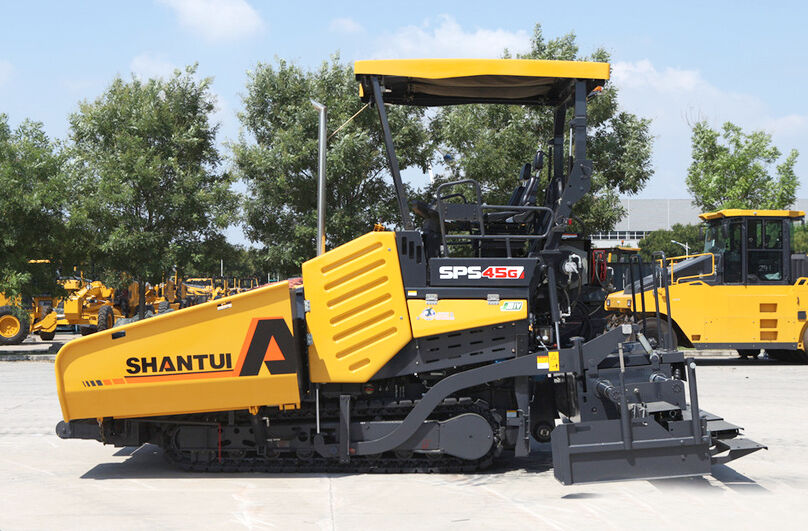
Selecting the right paving machine for large-scale construction projects requires careful evaluation of multiple technical and operational factors. Large projects demand equipment that can handle extended working hours, maintain consistent quality across vast areas, and deliver optimal productivity while managing operational costs effectively.
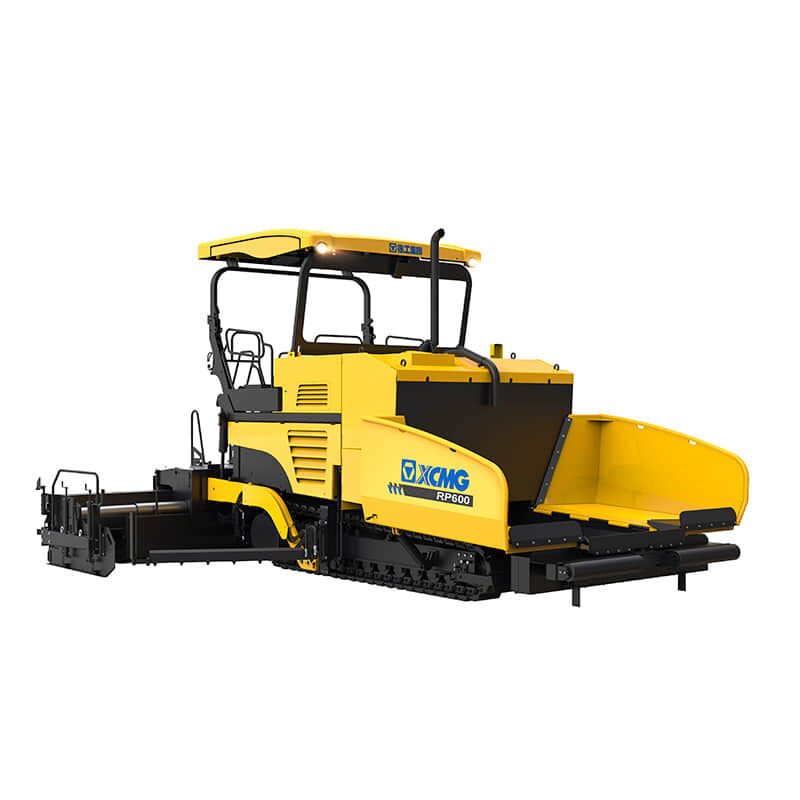
The complexity of large-scale paving operations necessitates a systematic approach to equipment selection that goes beyond basic specifications. Understanding the relationship between machine capabilities, project requirements, and long-term operational efficiency forms the foundation for making informed decisions that impact project success and profitability.
Project Scale Assessment and Equipment Sizing
Daily Production Requirements Analysis
Large projects typically require significant daily asphalt placement volumes, often exceeding 1,000 tons per day. The paving machine must demonstrate capacity to handle these volumes consistently while maintaining material temperature and compaction standards. Production calculations should factor in material delivery schedules, weather windows, and crew rotation requirements to establish realistic throughput expectations.
Machine hopper capacity becomes critical for maintaining continuous operation during high-volume paving. A paving machine with insufficient hopper capacity will create bottlenecks when multiple dump trucks arrive simultaneously, leading to material cooling and potential quality issues. Modern large-capacity pavers feature hoppers ranging from 15 to 25 tons, enabling smoother material flow during peak production periods.
Conveyor system design directly impacts material handling efficiency on large projects. Twin-auger systems with variable speed controls allow operators to manage material distribution across varying paving widths while maintaining consistent mat density. The conveyor capacity should align with anticipated material delivery rates to prevent overflow or material shortage situations during continuous paving operations.
Paving Width and Flexibility Considerations
Large infrastructure projects often involve varying lane configurations and width requirements within the same contract. A versatile paving machine should accommodate width adjustments from standard highway lanes to wider commercial areas without compromising productivity. Hydraulic extendable screeds provide the flexibility needed for projects with multiple width specifications.
The screed extension mechanism must deliver consistent heating and leveling performance across all width settings. Advanced paving machines incorporate independent heating zones for screed extensions, ensuring uniform material temperature regardless of operating width. This capability prevents edge segregation and maintains surface quality standards across varying paving configurations.
Consideration of maximum practical paving width helps optimize crew efficiency and material utilization. While wider paving reduces the number of passes required, it demands more precise grade control and increased material delivery coordination. The selected paving machine should balance maximum width capability with practical operational limitations specific to the project site conditions.
Technical Specifications and Performance Capabilities
Engine Power and Propulsion Systems
Large project demands require robust engine specifications capable of maintaining consistent performance under extended operating conditions. Engine horsepower should provide adequate reserve capacity for climbing grades, operating in adverse weather, and powering auxiliary systems simultaneously. Typical large-capacity paving machines feature engines ranging from 200 to 400 horsepower, depending on machine size and intended application.
Propulsion system selection impacts machine mobility and gradeability on challenging terrain. Rubber tire drive systems offer superior mobility for projects requiring frequent repositioning, while steel track systems provide enhanced stability and lower ground pressure for soft subgrade conditions. The choice between propulsion types should align with predominant site conditions and mobility requirements throughout the project duration.
Fuel efficiency considerations become increasingly important for large projects due to extended operating hours and high fuel consumption rates. Modern paving machine engines incorporate electronic fuel management systems that optimize consumption based on load conditions and operating requirements. Selecting equipment with proven fuel efficiency helps control operational costs during lengthy project phases.
Grade Control and Automation Features
Precision grade control systems are essential for large projects where elevation accuracy directly impacts drainage performance and long-term pavement durability. A quality paving machine should integrate seamlessly with 3D grade control technology, enabling operators to maintain tight elevation tolerances across extensive paving areas without constant manual adjustment.
Automated screed control systems reduce operator fatigue during long paving runs while maintaining consistent mat thickness and surface smoothness. These systems continuously monitor and adjust screed position based on reference inputs from sonic sensors, laser systems, or GPS guidance. The automation level should match operator skill levels and project accuracy requirements.
Integration capabilities with project management software enable real-time monitoring of paving progress, material consumption, and quality metrics. Advanced paving machines provide data logging capabilities that support quality assurance documentation and help optimize future paving operations. This connectivity becomes valuable for large projects requiring detailed progress reporting and quality verification.
Operational Efficiency and Productivity Factors
Material Handling and Distribution Systems
Efficient material handling systems minimize delays and maintain optimal asphalt temperatures during large-volume paving operations. The paving machine conveyor system must accommodate varying material delivery rates while preventing segregation and maintaining consistent material flow to the screed. Variable-speed conveyors allow operators to adjust material flow based on paving speed and width requirements.
Hopper design affects material storage capacity and loading efficiency during continuous operations. Large project requirements often necessitate hoppers with heating capabilities to maintain material workability during extended paving runs or adverse weather conditions. Insulated hoppers with auxiliary heating systems help preserve material quality when delivery schedules create temporary storage requirements.
Material distribution augers must provide uniform material placement across the full paving width while accommodating thickness variations and edge requirements. Independently controllable auger sections enable operators to manage material distribution for crowned surfaces, varying thickness applications, and edge details without interrupting the paving process. This capability proves particularly valuable for highway projects with complex cross-slope requirements.
Mobility and Positioning Capabilities
Large projects often require paving machine repositioning between work areas, making mobility features important selection criteria. Transport dimensions should comply with local regulations while maintaining stability during highway transport between project sites. Folding hoppers, removable components, and adjustable track widths facilitate efficient transport logistics.
Self-loading capabilities reduce dependency on auxiliary equipment for material pickup and positioning operations. Paving machines with integral loading systems can handle material transfer operations independently, improving operational flexibility and reducing equipment coordination requirements. This independence becomes valuable for projects with limited crane access or tight scheduling constraints.
Maneuverability in confined spaces affects productivity when working around existing structures, utilities, or traffic control devices. Compact turning radius and precise directional control enable efficient operation in urban environments or projects with numerous obstacles. The paving machine steering system should provide responsive control for accurate positioning while maintaining stability during material loading and paving operations.
Durability and Maintenance Requirements
Component Reliability for Extended Operations
Large projects demand paving machine components capable of withstanding extended operating hours without frequent maintenance interruptions. Critical systems including hydraulics, electrical components, and wear parts should demonstrate proven reliability records in similar applications. Component selection should prioritize established manufacturers with comprehensive parts availability and service support networks.
Screed plate durability directly impacts maintenance costs and operational efficiency during large projects. High-quality screed plates resist wear and maintain smoothness standards throughout extended paving operations. The screed heating system must provide consistent temperature control while resisting thermal cycling damage that could compromise performance during lengthy project phases.
Drive system components including tracks, drive motors, and transmission systems should demonstrate durability under continuous operation conditions. Regular maintenance accessibility becomes critical for large projects where equipment downtime directly impacts project schedules and costs. The paving machine design should facilitate routine maintenance procedures without requiring specialized tools or extensive disassembly.
Service Support and Parts Availability
Comprehensive service support becomes essential for large projects where equipment failures can significantly impact project timelines and costs. The selected paving machine manufacturer should maintain local service capabilities with qualified technicians familiar with the specific equipment model. Service response times and parts availability directly influence project risk management strategies.
Preventive maintenance program development helps minimize unexpected failures during critical project phases. The paving machine manufacturer should provide detailed maintenance schedules, procedures, and training programs that enable project teams to maintain equipment reliability. Well-documented maintenance requirements facilitate accurate cost estimation and resource planning for large projects.
Parts inventory management becomes crucial for large projects operating in remote locations or with tight delivery schedules. Critical spare parts identification and procurement planning should occur during equipment selection to ensure parts availability throughout the project duration. The manufacturer's parts distribution network and delivery capabilities should align with project location and timing requirements.
Economic Considerations and Cost Analysis
Initial Investment and Financing Options
Large project economics require careful evaluation of paving machine acquisition costs versus anticipated productivity benefits and project duration. Purchase price represents only one component of total ownership costs, with operating expenses, maintenance requirements, and residual value significantly impacting overall project economics. Financing options including purchase, lease, and rental arrangements should align with project cash flow requirements and equipment utilization projections.
Equipment utilization rates directly influence cost-effectiveness calculations for paving machine selection. Large projects with extended durations often justify higher-capacity equipment investments due to improved productivity and reduced unit costs. However, projects with variable paving requirements may benefit from flexible equipment arrangements that accommodate changing operational needs without excessive idle time costs.
Residual value considerations affect long-term investment returns, particularly for contractors planning multiple large projects. Paving machines from established manufacturers typically maintain better resale values due to proven reliability and widespread service support. Market demand for specific equipment types and configurations should influence selection decisions when equipment disposal or remarketing is anticipated.
Operating Cost Management
Fuel consumption represents a significant operating expense for large paving projects, making engine efficiency an important selection criterion. Modern paving machine engines incorporate advanced fuel management systems that optimize consumption based on load conditions and operating requirements. Fuel efficiency improvements of 10-15% can generate substantial cost savings over large project durations.
Maintenance cost projections should include routine service requirements, wear part replacement schedules, and anticipated major repairs based on expected operating hours. Manufacturer warranty coverage and extended service programs can help control maintenance costs while ensuring equipment reliability. Comprehensive maintenance cost analysis enables accurate project budgeting and helps identify the most cost-effective equipment options.
Operator training requirements and skill levels affect both productivity and operating costs for large projects. Advanced paving machine features may require additional operator training but can improve productivity and quality outcomes. Training costs should be evaluated against anticipated productivity benefits and potential quality improvement savings throughout the project duration.
FAQ
What paving width should I consider for large highway projects?
Large highway projects typically benefit from paving machines capable of 12-16 foot widths with extension capabilities up to 24 feet. This range accommodates most interstate and arterial highway configurations while providing flexibility for varying lane arrangements and construction phasing requirements.
How do I determine the right engine horsepower for my project requirements?
Engine horsepower selection should account for maximum grade conditions, paving speed requirements, and auxiliary system demands. Generally, large projects require 250-400 horsepower engines to maintain productivity under challenging conditions while providing adequate reserve capacity for unexpected operational demands.
What maintenance schedule should I expect for continuous paving operations?
Continuous large project operations typically require daily inspections, 50-hour service intervals for critical systems, and 250-hour major service procedures. Preventive maintenance scheduling becomes critical to avoid unexpected downtime during peak production periods when material delivery schedules cannot be easily adjusted.
Should I purchase or lease paving equipment for large projects?
Equipment acquisition decisions depend on project duration, future work projections, and cash flow requirements. Projects exceeding 6-12 months often justify purchase decisions, while shorter projects or uncertain future workload may benefit from lease arrangements that provide flexibility and reduced capital investment requirements.