
 EN
EN
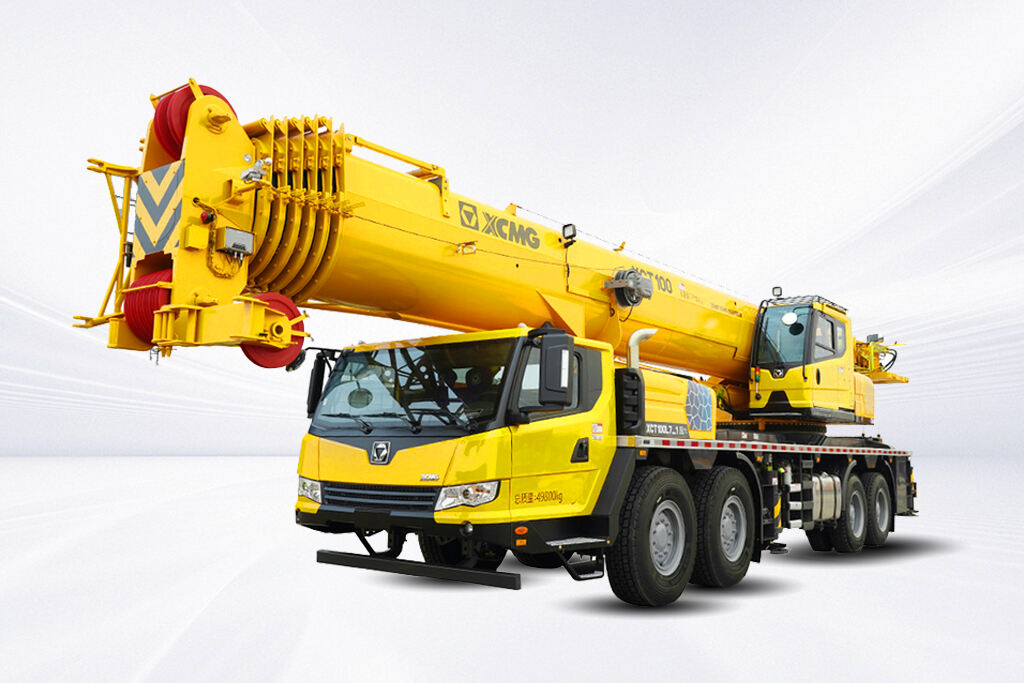
High-power tractors represent a significant investment in agricultural and construction operations, offering capabilities that extend far beyond basic farming tasks. These robust machines typically feature engines producing 150 horsepower or more, enabling them to handle demanding applications that smaller tractors simply cannot manage efficiently. Understanding the specific benefits of high-power tractor ownership helps operators make informed decisions about equipment investments that can transform their operational capabilities and long-term productivity.
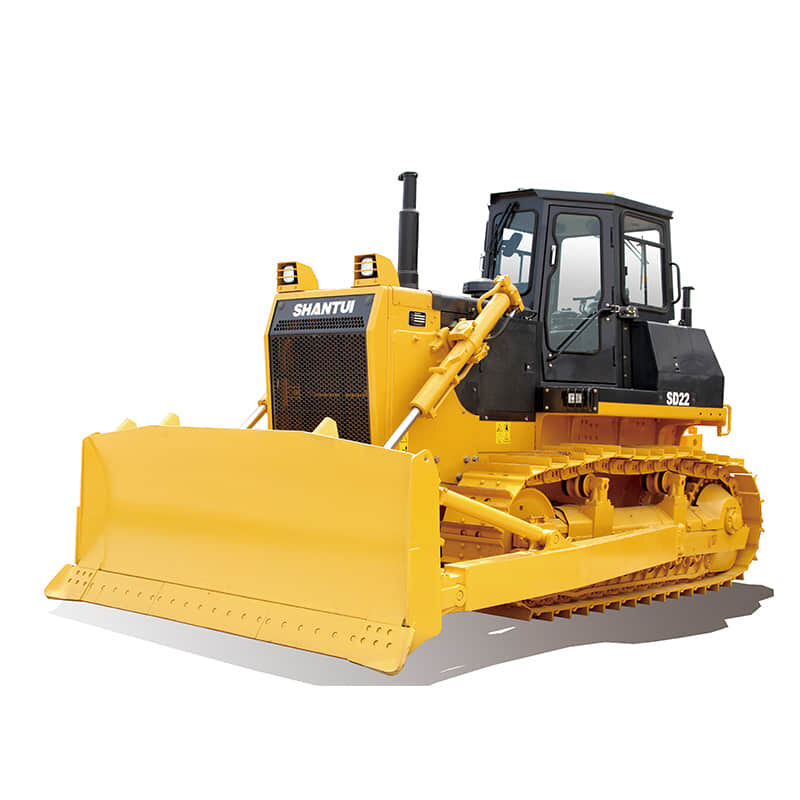
The advantages of high-power tractors encompass multiple operational dimensions, from increased work capacity and reduced labor costs to enhanced versatility across diverse applications. Modern high-power tractors deliver superior fuel efficiency per unit of work completed, advanced hydraulic systems for complex implement control, and integrated technology features that optimize performance while reducing operator fatigue. These machines serve as the backbone of large-scale agricultural operations, construction projects, and industrial applications where power, reliability, and efficiency directly impact profitability and project success.
Enhanced Productivity and Work Capacity
Increased Implement Compatibility and Performance
High-power tractors excel at operating large, sophisticated implements that maximize field efficiency and work quality. These machines can pull wider tillage equipment, operate larger planters and seeders, and handle heavy-duty harvesting attachments that dramatically increase acres covered per hour. A powerful tractor enables operators to use cutting-edge precision agriculture tools, including GPS-guided systems and variable-rate application equipment, which require substantial power reserves to maintain consistent performance across varying field conditions.
The hydraulic capacity of high-power tractors supports complex implement functions simultaneously, allowing operators to control multiple hydraulic circuits for advanced equipment operations. This capability proves essential when operating sophisticated machinery like large-capacity spreaders, heavy-duty mowers, or construction attachments that demand both high flow rates and precise control. The result is more efficient field operations with fewer passes required to complete tasks, directly translating to reduced fuel consumption per acre and lower overall operating costs.
Extended Operating Hours and Durability
High-power tractors are engineered with robust drivetrain components, reinforced frames, and heavy-duty cooling systems that enable extended operating periods without performance degradation. These design characteristics allow operators to work longer shifts during critical seasonal periods, such as planting and harvest, when timing directly impacts crop yields and quality. The enhanced durability of high-power tractors reduces downtime for maintenance and repairs, maintaining consistent productivity throughout demanding work seasons.
Professional-grade transmission systems in high-power tractors provide smoother power delivery and better load management compared to smaller units. Advanced transmission technologies, including continuously variable transmissions and power-shift systems, optimize engine performance across varying load conditions while reducing operator fatigue during long work sessions. This combination of power and refined control systems enables sustained high-performance operation that smaller tractors cannot maintain under heavy workloads.
Economic Advantages and Cost Efficiency
Reduced Labor Requirements and Operational Costs
Investing in a high-power tractor significantly reduces labor requirements by enabling single operators to accomplish tasks that would otherwise require multiple smaller machines or additional personnel. The increased work capacity allows operations to complete field work with fewer total machine hours, reducing fuel costs, maintenance expenses, and operator wages. Large farming operations and construction companies find that high-power tractors provide better return on investment through improved productivity per labor hour invested.
The fuel efficiency advantages of high-power tractors become apparent when comparing work accomplished per gallon of fuel consumed. While these machines have higher absolute fuel consumption, their ability to complete tasks faster and more efficiently often results in lower fuel costs per acre worked or per ton of material moved. Modern high-power tractor engines incorporate advanced emission control systems and fuel injection technologies that optimize combustion efficiency while meeting environmental regulations.
Long-Term Value Retention and Versatility
High-power tractors typically maintain better resale values compared to smaller units due to their broader application range and appeal to diverse market segments. These machines serve agricultural, construction, landscaping, and industrial applications, creating stronger demand in the used equipment market. The versatility of high-power tractors allows owners to diversify their service offerings or adapt to changing operational requirements without requiring complete equipment replacement.
The robust construction and premium components used in high-power tractors contribute to longer service lives and lower depreciation rates. Quality manufacturers design these machines for extended operational periods, often spanning decades with proper maintenance. This longevity makes high-power tractors attractive investments for operations seeking to minimize equipment replacement frequency and maintain consistent operational capabilities over extended periods.
Advanced Technology Integration and Precision Control
Sophisticated Hydraulic and Electronic Systems
Modern high-power tractors feature advanced hydraulic systems with multiple independent circuits, enabling precise control of complex implement functions while maintaining optimal engine performance. These systems provide the flow rates and pressure levels required for today's sophisticated agricultural and construction equipment, including precision planting systems, variable-rate applicators, and heavy-duty material handling attachments. The integration of electronic controls with hydraulic systems allows for programmable functions and automated sequences that reduce operator workload and improve consistency.
Electronic engine management systems in high-power tractors optimize power delivery based on implement requirements and operating conditions, automatically adjusting engine parameters to maintain efficiency while protecting mechanical components. These systems monitor multiple engine parameters continuously, providing real-time feedback to operators and enabling predictive maintenance scheduling that prevents costly breakdowns and extends equipment life.
GPS Integration and Precision Agriculture Capabilities
High-power tractors serve as ideal platforms for precision agriculture technologies, providing the electrical power and structural mounting capabilities required for GPS guidance systems, variable-rate controllers, and automated steering systems. These technologies enable precise field operations with minimal overlap, reducing input costs while improving application accuracy and crop yields. The power reserves available in high-performance tractors ensure that precision systems operate consistently without compromising implement performance.
Data collection and management capabilities integrated into high-power tractors provide valuable insights for operational optimization and regulatory compliance. Modern tractors can automatically record field operations, fuel consumption, and productivity metrics, enabling operators to analyze performance trends and identify opportunities for further efficiency improvements. This data integration supports precision agriculture practices and helps justify the investment in high-power equipment through documented productivity gains.
Versatility Across Multiple Applications
Agricultural Operations and Seasonal Flexibility
High-power tractors excel across diverse agricultural applications, from primary tillage and planting to harvesting and post-harvest operations. Their ability to handle large implements efficiently makes them ideal for operations managing significant acreage or requiring rapid completion of time-sensitive tasks. The power reserves available in these machines ensure consistent performance across varying soil conditions, crop types, and seasonal challenges that would overwhelm smaller tractors.
Seasonal versatility represents a key advantage of high-power tractors, as they can transition between different implement types and applications throughout the year. During spring preparation, these machines handle heavy tillage and large planters efficiently. Summer operations benefit from their ability to operate wide cultivation equipment and high-capacity sprayers. Harvest season demands are met through compatibility with large headers, grain carts, and heavy-duty material handling equipment.
Construction and Industrial Applications
Beyond agricultural uses, high-power tractors serve construction, landscaping, and industrial applications where their combination of power, hydraulic capacity, and mobility provides unique advantages. Construction projects benefit from tractor-mounted equipment for site preparation, material handling, and specialized tasks like trenching or grading. The versatility to accept diverse attachments makes high-power tractors valuable multi-purpose machines for contractors managing varied project requirements.
Industrial facilities utilize high-power tractors for material handling, grounds maintenance, and specialized applications requiring mobile power units. Their ability to operate both wheeled and tracked implements, combined with sophisticated hydraulic systems, makes them suitable for applications ranging from snow removal and waste management to specialized manufacturing support tasks. This versatility extends the utilization period and return on investment for high-power tractor ownership.
FAQ
What horsepower range defines a high-power tractor?
High-power tractors typically range from 150 to over 600 horsepower, with most agricultural applications focusing on the 200-400 horsepower range. Construction and industrial applications may require even higher power levels depending on specific operational demands and implement requirements.
How do high-power tractors improve fuel efficiency compared to using multiple smaller tractors?
High-power tractors achieve better fuel efficiency per unit of work by completing tasks faster with larger implements, reducing total engine hours required. Their advanced engine management systems optimize fuel consumption under varying loads, while the ability to handle heavier workloads eliminates the need for multiple smaller machines operating simultaneously.
Are high-power tractors suitable for smaller farming operations?
High-power tractors can benefit smaller operations when they enable custom work opportunities, allow for rapid completion of time-sensitive tasks, or provide capabilities for diversified agricultural activities. However, the investment must be justified through either increased operational efficiency or revenue generation opportunities that smaller tractors cannot provide.
What maintenance considerations are unique to high-power tractors?
High-power tractors require more frequent fluid changes due to higher operating temperatures and loads, specialized filters for advanced engine systems, and regular inspection of heavy-duty drivetrain components. However, their robust construction typically results in longer intervals between major repairs and component replacements compared to smaller tractors working under similar conditions.