
 EN
EN
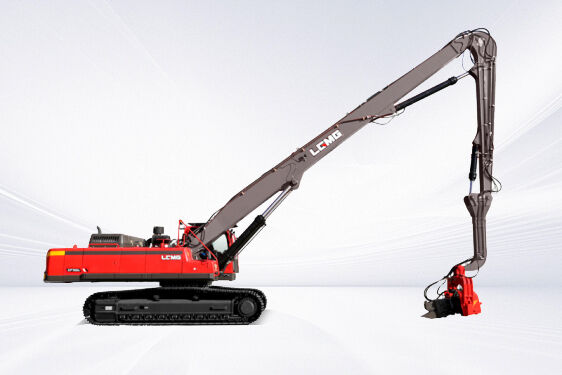
Selecting the right drilling rig for complex projects requires careful evaluation of multiple technical, operational, and environmental factors that directly impact project success. Complex drilling projects often involve challenging geological conditions, strict safety requirements, and demanding performance specifications that standard equipment may not handle effectively. The decision-making process becomes critical when project parameters include extreme depths, difficult terrains, specialized drilling techniques, or tight operational windows where equipment failure could result in significant delays and cost overruns.
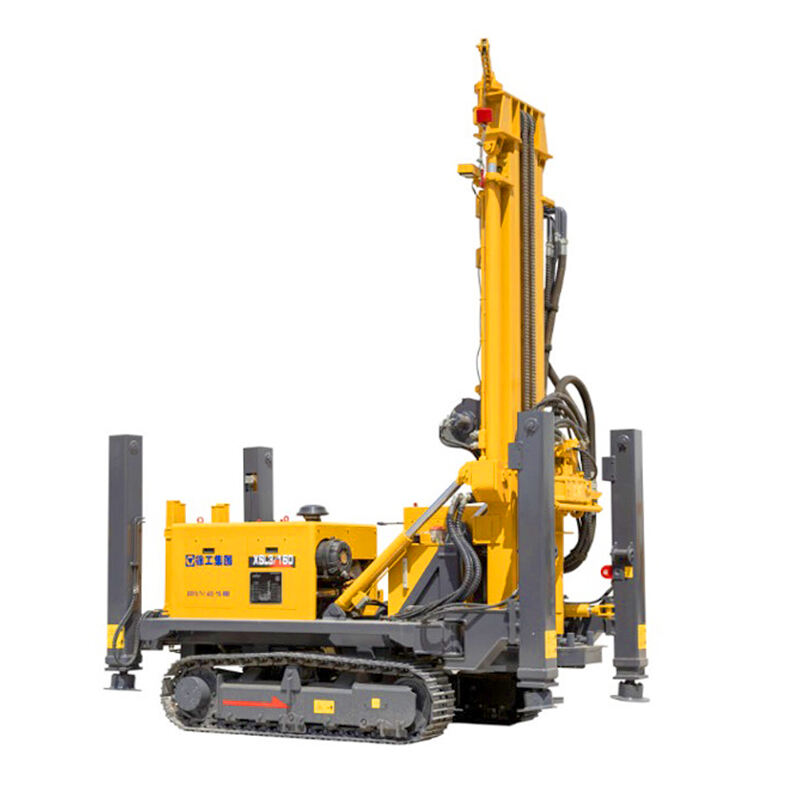
The complexity of modern drilling projects demands a systematic approach to drilling rig selection that goes beyond basic capacity matching. Project engineers must consider how different drilling rig configurations perform under specific operational challenges, evaluate the compatibility between equipment capabilities and project requirements, and assess the long-term reliability of different rig types under demanding conditions. Understanding these selection criteria helps ensure that the chosen drilling rig can deliver consistent performance throughout the project lifecycle while maintaining safety standards and operational efficiency.
Project Requirements Assessment for Drilling Rig Selection
Geological and Environmental Factors
Complex projects often encounter diverse geological formations that require specific drilling rig capabilities to maintain optimal performance. Hard rock formations demand high-torque drilling rigs with robust rotary systems and enhanced drilling fluid circulation capacity. The geological assessment should identify formation hardness, abrasiveness, and potential stability issues that could affect drilling rig operation. Environmental conditions such as temperature extremes, altitude, and weather exposure directly influence drilling rig selection, as equipment must maintain performance standards under these challenging conditions.
Site accessibility represents another critical factor in drilling rig selection, particularly for complex projects in remote or confined locations. The drilling rig must be transportable to the site and maneuverable within the available workspace. Urban drilling projects may require compact drilling rigs with reduced noise and vibration levels, while remote locations might prioritize self-sufficient drilling rigs with extended operational autonomy. Understanding these environmental constraints early in the selection process prevents equipment compatibility issues and ensures smooth project execution.
Technical Specifications and Performance Requirements
Drilling depth requirements significantly influence drilling rig selection, as different rig types offer varying depth capabilities and performance characteristics. Deep drilling projects require drilling rigs with enhanced hoisting capacity, extended mast heights, and reinforced structural components to handle increased loads and operational stresses. The drilling rig must also accommodate the specific drilling techniques required for the project, whether conventional rotary drilling, directional drilling, or specialized techniques like reverse circulation or dual-wall drilling.
Power requirements and energy efficiency become increasingly important for complex projects with extended operational periods. The drilling rig should provide adequate power for all drilling operations while maintaining fuel efficiency and operational cost control. Modern drilling rigs offer various power configurations, from diesel engines to hybrid systems, each with distinct advantages for different project types. Evaluating power-to-weight ratios and operational efficiency helps identify the most suitable drilling rig configuration for specific project requirements.
Drilling Rig Type Evaluation and Selection Criteria
Rotary Drilling Rig Capabilities
Rotary drilling rigs represent the most versatile option for complex projects, offering excellent performance across diverse geological conditions and drilling applications. These drilling rigs excel in projects requiring precise hole alignment, variable drilling speeds, and adaptable drilling fluid systems. The rotary mechanism provides consistent torque delivery and allows for real-time drilling parameter adjustments, making these drilling rigs particularly suitable for projects with changing geological conditions or strict dimensional tolerances.
Advanced rotary drilling rigs incorporate sophisticated control systems that enable precise drilling parameter monitoring and automatic adjustment capabilities. These features become essential for complex projects where drilling conditions may change rapidly or where maintaining specific drilling parameters is critical for project success. The ability to integrate various drilling accessories and specialized drilling tools makes rotary drilling rigs highly adaptable to project-specific requirements and unexpected operational challenges.
Hydraulic Drilling Rig Advantages
Hydraulic drilling rigs offer superior control and precision for complex projects requiring exact drilling parameters and consistent performance. The hydraulic drive system provides smooth operation with infinite speed control and exceptional torque characteristics across the entire operating range. This precision makes hydraulic drilling rigs ideal for projects with strict quality requirements or applications where maintaining specific drilling parameters is essential for achieving desired outcomes.
The responsiveness of hydraulic systems allows drilling operators to make immediate adjustments to drilling parameters based on real-time conditions. This capability proves particularly valuable in complex projects where geological conditions may vary significantly or where drilling through sensitive formations requires careful parameter control. Hydraulic drilling rigs also typically offer lower maintenance requirements and longer operational life, factors that become increasingly important for extended project durations or remote operational environments.
Operational Considerations for Complex Project Environments
Mobility and Accessibility Requirements
Complex projects often present unique accessibility challenges that directly influence drilling rig selection decisions. Truck-mounted drilling rigs provide excellent mobility and can access most project sites with standard transportation infrastructure. These rigs offer the advantage of rapid deployment and repositioning, making them ideal for projects requiring multiple drilling locations or sites with limited setup time. The self-contained nature of truck-mounted drilling rigs reduces logistical complexity and allows for efficient project scheduling.
Track-mounted drilling rigs excel in projects with challenging terrain conditions or unstable ground surfaces where wheeled vehicles might struggle. The distributed ground pressure of track systems provides better stability and maneuverability on soft or uneven surfaces. For projects in environmentally sensitive areas, track-mounted drilling rigs often cause less surface disturbance and offer better traction control, reducing the risk of environmental impact during drilling operations.
Support Systems and Auxiliary Equipment
Complex projects require comprehensive support systems that must integrate seamlessly with the selected drilling rig configuration. Drilling fluid systems become particularly critical for challenging geological conditions, requiring drilling rigs with adequate pump capacity, filtration systems, and fluid handling capabilities. The drilling rig must accommodate specialized drilling fluids and additives that may be necessary for complex formation conditions while maintaining system compatibility and operational efficiency.
Auxiliary equipment integration affects overall project efficiency and operational capability. Modern drilling rigs should accommodate automated pipe handling systems, advanced monitoring equipment, and specialized drilling accessories without compromising operational performance. The ability to integrate these systems during the selection phase ensures optimal project workflow and reduces potential compatibility issues that could impact project timelines or operational efficiency.
Safety and Compliance Factors in Drilling Rig Selection
Safety System Integration
Complex projects demand drilling rigs with comprehensive safety systems that exceed standard operational requirements. Advanced drilling rigs incorporate multiple safety features including automatic shutdown systems, load monitoring capabilities, and emergency response protocols that activate under predetermined conditions. These safety systems must integrate seamlessly with project-specific safety requirements and regulatory compliance standards that govern complex drilling operations.
Operator safety features become increasingly important for complex projects where drilling conditions may present elevated risks or where extended operational periods increase exposure to potential hazards. Modern drilling rigs offer enclosed operator cabs with climate control, noise reduction, and ergonomic controls that reduce operator fatigue and improve operational safety. Emergency communication systems and automated distress signaling capabilities ensure rapid response to operational emergencies, particularly important for remote project locations.
Regulatory Compliance and Certification
Complex projects often operate under strict regulatory frameworks that require specific drilling rig certifications and compliance documentation. The selected drilling rig must meet applicable industry standards and regulatory requirements for the specific project jurisdiction and application type. Environmental regulations may dictate emission standards, noise limitations, and operational procedures that directly influence drilling rig selection and configuration options.
Quality assurance systems and documentation requirements vary significantly between project types and regulatory jurisdictions. The drilling rig should facilitate comprehensive operational documentation and quality control procedures required for complex project compliance. Advanced drilling rigs offer integrated data logging systems and automated reporting capabilities that streamline compliance documentation while ensuring accurate operational records throughout the project duration.
Economic Evaluation and Long-term Performance Considerations
Total Cost of Ownership Analysis
Selecting a drilling rig for complex projects requires comprehensive economic evaluation that extends beyond initial equipment costs to include operational expenses, maintenance requirements, and productivity factors. Complex projects with extended durations amplify the importance of operational efficiency and reliability in the overall cost structure. Drilling rigs with higher initial costs may provide superior long-term value through reduced maintenance requirements, improved fuel efficiency, and enhanced operational reliability.
Productivity analysis becomes critical for complex projects where operational delays can result in significant cost penalties or project completion issues. The drilling rig should demonstrate consistent performance under project-specific conditions and provide adequate capacity margins to handle unexpected operational challenges. Evaluating historical performance data and manufacturer support capabilities helps ensure reliable drilling rig operation throughout the project lifecycle while minimizing downtime and maintenance disruptions.
Technology Integration and Future Adaptability
Modern complex projects increasingly require drilling rigs with advanced technology integration capabilities and adaptability for future operational requirements. Smart drilling systems and automated control features enhance operational precision and reduce human error risks in challenging drilling conditions. The selected drilling rig should accommodate technology upgrades and integration with project management systems that facilitate real-time monitoring and remote operational oversight.
Future adaptability considerations include the ability to modify or upgrade drilling rig configurations as project requirements evolve or as new operational challenges emerge. Modular drilling rig designs offer flexibility for equipment modifications and capability enhancements without requiring complete equipment replacement. This adaptability proves particularly valuable for multi-phase projects or applications where operational requirements may change as project conditions develop or as additional project phases are implemented.
FAQ
What drilling depth capabilities should I consider for complex projects?
Complex projects typically require drilling rigs with depth capabilities that exceed the minimum project requirements by at least 20-30% to provide operational flexibility and accommodate unexpected geological conditions. Consider both maximum drilling depth and the drilling rig's performance characteristics at various depths, as power and efficiency may decrease with increased depth. Evaluate the drilling rig's hoisting capacity, mast strength, and drilling fluid circulation capabilities at maximum operational depths to ensure consistent performance throughout the drilling range.
How do environmental conditions affect drilling rig selection for complex projects?
Environmental conditions significantly influence drilling rig performance and operational capability in complex projects. Temperature extremes affect engine performance, hydraulic system efficiency, and material durability, requiring drilling rigs with appropriate climate-rated components and systems. Altitude affects engine power output and cooling system performance, while corrosive environments may require specialized materials and protective coatings. Consider seasonal weather patterns, site accessibility during different weather conditions, and environmental regulations that may restrict operational parameters or equipment specifications.
What maintenance and support considerations are critical for complex project drilling rig selection?
Complex projects require drilling rigs with proven reliability records and comprehensive manufacturer support networks to minimize operational disruptions. Evaluate parts availability, service response times, and technical support capabilities in the project location. Consider preventive maintenance requirements, service intervals, and the availability of certified service technicians for the selected drilling rig model. Remote projects may require drilling rigs with extended service intervals and comprehensive spare parts packages to maintain operational continuity.
How should I evaluate drilling rig automation features for complex projects?
Automation features can significantly enhance operational precision and safety in complex drilling projects, but should be evaluated based on specific project requirements and operator capabilities. Consider automated drilling parameter control, load monitoring systems, and emergency shutdown capabilities that reduce operator workload and improve safety margins. Evaluate the learning curve for automated systems and ensure adequate operator training is available. Balance automation benefits with system complexity and maintenance requirements, particularly for projects in remote locations where technical support may be limited.
Table of Contents
- Project Requirements Assessment for Drilling Rig Selection
- Drilling Rig Type Evaluation and Selection Criteria
- Operational Considerations for Complex Project Environments
- Safety and Compliance Factors in Drilling Rig Selection
- Economic Evaluation and Long-term Performance Considerations
-
FAQ
- What drilling depth capabilities should I consider for complex projects?
- How do environmental conditions affect drilling rig selection for complex projects?
- What maintenance and support considerations are critical for complex project drilling rig selection?
- How should I evaluate drilling rig automation features for complex projects?