
 EN
EN
Selecting the appropriate roller for asphalt compaction tasks directly impacts project quality, timeline, and cost efficiency. The wrong roller choice can lead to inadequate compaction, surface defects, and premature pavement failure, making roller selection a critical decision for construction professionals. Understanding which roller type matches specific asphalt compaction requirements ensures optimal density achievement and long-lasting pavement performance.
Different asphalt compaction scenarios demand specific roller configurations, operating parameters, and application techniques. Factors such as asphalt temperature, layer thickness, aggregate size, and project scale determine which roller type delivers the most effective compaction results. Modern roller technology offers various drum configurations, vibration systems, and weight categories designed to address distinct compaction challenges in asphalt construction projects.
Understanding Roller Categories for Asphalt Applications
Single Drum Vibratory Rollers
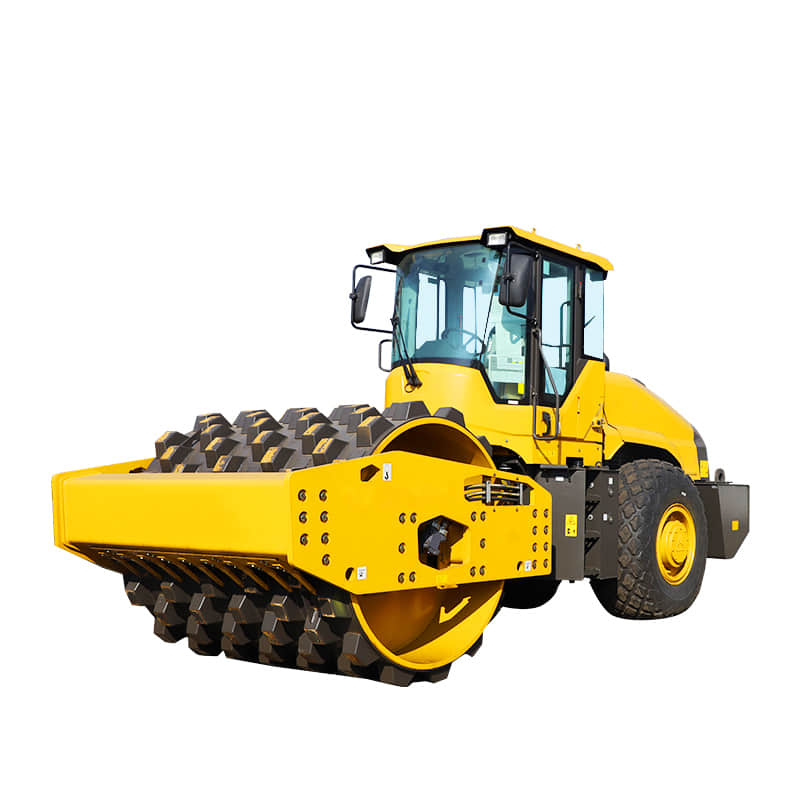
Single drum vibratory rollers excel in asphalt compaction due to their concentrated weight distribution and powerful vibration systems. These rollers typically feature a large steel drum at the front and rubber tires at the rear, providing excellent maneuverability and effective compaction force. The vibration mechanism generates high-frequency oscillations that break down air voids in the asphalt matrix, achieving superior density levels.
The design of single drum rollers allows operators to maintain precise control over compaction intensity through adjustable vibration frequency and amplitude settings. This flexibility makes them suitable for various asphalt types, from fine-graded surface courses to coarse base layers. The rubber tire configuration at the rear provides additional kneading action, helping to seal the surface and eliminate minor imperfections.
Weight ranges for single drum rollers typically span from 8 to 14 tons, with larger models offering greater compaction force for thick lift applications. The roller selection within this category depends on project scale, asphalt thickness, and required compaction specifications.
Double Drum Rollers
Double drum rollers feature steel drums at both front and rear positions, providing uniform compaction across the full machine width. This configuration eliminates tire marks and delivers consistent surface texture, making double drum rollers particularly effective for finish rolling operations. The symmetrical design allows bidirectional operation without compromising compaction quality.
These rollers offer excellent visibility for operators, as the absence of rear tires provides unobstructed views of the compaction area. The dual drum configuration distributes machine weight evenly, reducing the risk of over-compaction while maintaining adequate density levels. Vibration systems can be activated independently on each drum, allowing operators to adjust compaction intensity based on material conditions.
Double drum rollers work effectively on thin lift applications where precise surface finishing is critical. Their compact design and tight turning radius make them suitable for confined work areas, parking lots, and detailed compaction around utilities or structures.
Matching Roller Specifications to Compaction Requirements
Weight Class Considerations
Asphalt compaction effectiveness correlates directly with roller weight and the resulting ground pressure applied to the material. Light-weight rollers in the 3-6 ton range suit thin lift applications, surface corrections, and areas where over-compaction risks exist. These compact units provide adequate compaction force for overlay projects and maintenance operations without excessive stress on underlying pavement structures.
Medium-weight rollers ranging from 7-12 tons represent the most versatile category for general asphalt compaction tasks. This weight class delivers sufficient force for standard lift thicknesses while maintaining reasonable fuel consumption and transportation requirements. The roller performance in this category balances compaction effectiveness with operational flexibility across diverse project conditions.
Heavy-duty rollers exceeding 13 tons target thick lift applications, base course compaction, and high-production paving operations. These machines generate maximum compaction force but require careful operation to prevent aggregate crushing or over-compaction. Project specifications and material characteristics determine when heavy roller deployment becomes necessary for achieving target density levels.
Vibration System Requirements
Vibration frequency selection significantly influences compaction effectiveness for different asphalt mix designs and temperature conditions. High-frequency vibration in the 50-60 Hz range works effectively on fine-graded mixes and cooler asphalt temperatures, providing rapid density development without excessive aggregate movement. This frequency range suits surface course compaction and detail work around joints or edges.
Lower frequency settings between 25-35 Hz prove more effective for coarse-graded mixes and thicker lifts, as the longer wavelength penetrates deeper into the material structure. The roller vibration system must match the aggregate size and mix characteristics to avoid segregation or inadequate density development. Modern rollers offer variable frequency control, allowing operators to adjust settings based on real-time material response.
Amplitude control provides additional fine-tuning capability for optimizing compaction results. Higher amplitude settings increase the impact force but may cause surface tearing on tender mixes, while lower amplitudes provide gentler compaction suitable for temperature-sensitive materials. The combination of frequency and amplitude adjustments allows precise roller calibration for specific project requirements.
Application-Specific Roller Selection Criteria
Surface Course Compaction
Surface course compaction demands rollers that deliver smooth, uniform finishes while achieving specified density levels. Single drum rollers with pneumatic tire configurations excel in this application, as the rubber tires provide kneading action that seals minor surface irregularities. The roller selection for surface courses prioritizes finish quality and texture uniformity over maximum compaction force.
Temperature management becomes critical during surface course rolling, as the narrow compaction window requires efficient roller deployment. Lighter weight rollers in the 6-10 ton range typically provide adequate compaction force while minimizing the risk of aggregate crushing or mix displacement. The vibration system should offer precise control to avoid over-working the surface layer.
Edge compaction and detail work around manholes, curbs, or joints often require smaller roller units with superior maneuverability. Walk-behind rollers or compact ride-on units provide the precision necessary for achieving uniform density in confined areas where larger rollers cannot operate effectively.
Base Course and Thick Lift Applications
Base course compaction typically requires heavier rollers with powerful vibration systems to achieve density throughout thick material lifts. Single drum rollers in the 10-14 ton weight range provide the necessary compaction force while maintaining reasonable ground pressure distribution. The roller must penetrate the full lift thickness to eliminate voids and achieve uniform density from bottom to surface.
Coarse aggregate mixes common in base applications respond well to lower frequency vibration that avoids aggregate segregation. The roller selection must consider aggregate size, lift thickness, and underlying support conditions to prevent over-stressing the foundation layers. Multiple passes with controlled vibration intensity often prove more effective than single-pass heavy compaction.
Production requirements for base course work typically favor larger roller units that can maintain pace with high-output paving operations. The roller capacity must match paver production rates to prevent material cooling and ensure consistent compaction quality across the project area.
Operational Factors Influencing Roller Choice
Project Scale and Production Requirements
Large-scale highway projects demand high-capacity rollers that maintain production rates while delivering consistent compaction quality. Single drum rollers with wide compaction widths and powerful engines enable contractors to keep pace with high-output pavers, minimizing material cooling time and maximizing density achievement. The roller fleet sizing must account for project length, daily production targets, and equipment availability.
Smaller projects such as parking lots, residential streets, or maintenance operations benefit from compact roller units that provide operational flexibility and cost efficiency. These applications often involve frequent equipment repositioning, tight working spaces, and varied compaction requirements that favor smaller, more maneuverable roller configurations.
Equipment transportation and mobilization costs influence roller selection for projects with multiple work locations or limited access routes. Compact rollers that transport on standard trailers without special permits provide logistical advantages, while larger units may require specialized hauling equipment that impacts project economics.
Site Conditions and Access Limitations
Confined work areas, overhead clearances, and weight restrictions limit roller options for certain project locations. Urban environments often impose equipment size restrictions that favor compact roller units capable of navigating narrow streets, low bridges, or residential access routes. The roller selection must account for all site constraints while maintaining compaction effectiveness.
Ground conditions and existing pavement strength influence allowable roller weights and operating procedures. Weak subgrade areas may require lighter roller units or specialized operating techniques to prevent damage to underlying layers. Foundation stability assessments should precede roller selection to ensure equipment compatibility with site conditions.
Weather conditions and seasonal variations affect roller performance and selection criteria. Cold weather operations may require rollers with enhanced heating systems or modified vibration parameters, while hot climate work demands efficient cooling systems and operator comfort features for sustained productivity.
FAQ
What roller weight is optimal for standard 2-inch asphalt overlay projects?
For standard 2-inch asphalt overlays, rollers in the 7-10 ton weight range typically provide optimal compaction without over-stressing the existing pavement structure. Single drum rollers with pneumatic tire configurations work effectively for this application, offering good density achievement while maintaining surface smoothness. The specific roller selection should consider existing pavement condition, subgrade strength, and project specifications.
How does vibration frequency selection impact asphalt compaction quality?
Vibration frequency directly affects compaction penetration and aggregate response during roller operations. Higher frequencies (50-60 Hz) work best for fine-graded mixes and surface courses, while lower frequencies (25-35 Hz) prove more effective for coarse mixes and thicker lifts. Proper frequency selection prevents aggregate segregation, reduces compaction time, and achieves target density levels more efficiently than fixed-frequency operations.
Can double drum rollers effectively compact thick asphalt base courses?
Double drum rollers can compact thick base courses effectively when properly sized and operated, though single drum units typically provide superior performance for this application. The key factors include adequate roller weight (10+ tons), appropriate vibration settings, and multiple-pass compaction patterns. Double drum rollers offer advantages in surface finishing and bidirectional operation but may require more passes to achieve full-depth density in thick lifts.
What factors determine roller selection for airport runway compaction projects?
Airport runway compaction requires rollers that meet strict specifications for surface smoothness, density uniformity, and foreign object debris (FOD) prevention. Heavy-duty single drum rollers with precise vibration control typically serve this application, along with specialized pneumatic tire rollers for final finishing. The roller selection must comply with FAA specifications, achieve exceptional density levels, and maintain surface tolerances critical for aircraft safety operations.
Table of Contents
- Understanding Roller Categories for Asphalt Applications
- Matching Roller Specifications to Compaction Requirements
- Application-Specific Roller Selection Criteria
- Operational Factors Influencing Roller Choice
-
FAQ
- What roller weight is optimal for standard 2-inch asphalt overlay projects?
- How does vibration frequency selection impact asphalt compaction quality?
- Can double drum rollers effectively compact thick asphalt base courses?
- What factors determine roller selection for airport runway compaction projects?