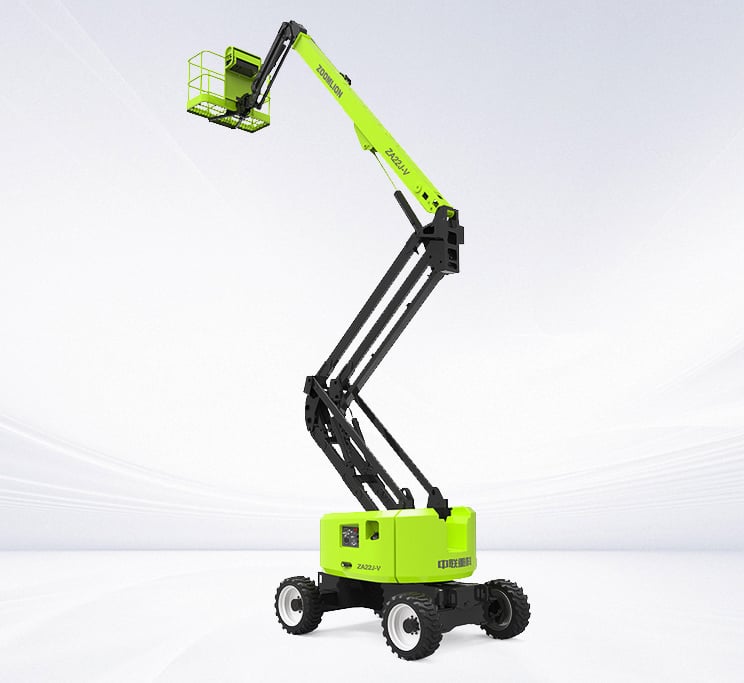
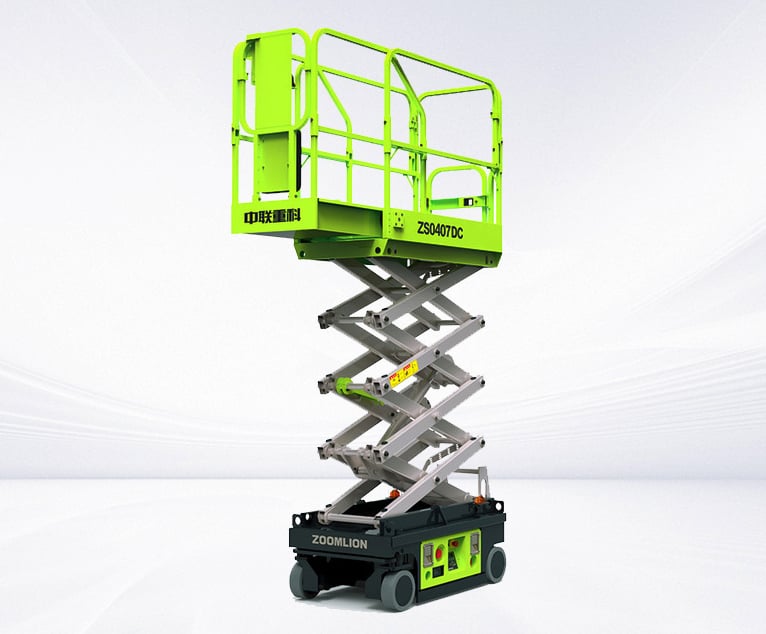
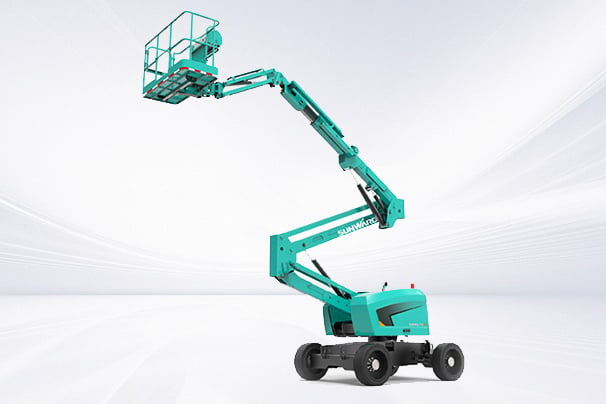
Power source represents another significant determinant in the pricing structure. Electric-powered platforms, while typically quieter and emission-free, require expensive battery systems and more sophisticated electronic controls, often making them comparable in price to their diesel counterparts despite their simpler mechanical components. Diesel engines add cost through their greater complexity and the need for more robust emission control systems to meet modern regulations. Hybrid models that combine both power sources naturally sit at the premium end of the spectrum due to their dual systems and enhanced versatility. The choice between these options should be driven by application requirements rather than initial price considerations, as using an inappropriate power source for the environment can lead to operational limitations and increased long-term costs.
Features and capabilities beyond the basic lifting function significantly impact aerial work platform pricing. Rough-terrain models with four-wheel drive, enhanced ground clearance, and all-terrain tires command higher prices than their standard counterparts due to their more robust chassis and drivetrain components. Platforms with insulating components for electrical work require specialized materials and manufacturing processes that add considerable cost. Advanced control systems with features like proportional controls, self-leveling capabilities, and diagnostic displays represent another layer of technological investment that is reflected in the price. Even seemingly minor options like enhanced lighting packages, auxiliary power outlets, or specialized platform configurations can incrementally affect the final price.
The manufacturing origin and brand reputation play substantial roles in the pricing hierarchy. Established brands with long histories of engineering excellence and proven safety records typically command premium prices that reflect their research and development investments, quality control processes, and comprehensive warranty programs. These manufacturers typically utilize higher-grade materials and components throughout their machines, resulting in greater durability and better long-term performance. While alternative options may present lower initial price points, they often compromise on component quality, manufacturing precision, or safety systems, potentially leading to higher operational costs over the equipment's lifespan.
The total cost of ownership perspective reveals why the initial purchase price represents only a portion of the financial consideration. A higher-quality platform, while commanding a greater initial investment, typically offers superior reliability that reduces downtime and repair costs. Better engineering often translates to lower energy consumption, whether in the form of reduced battery charging requirements or improved fuel efficiency. Stronger residual values mean that quality platforms retain their worth better over time, providing greater recovery value when the equipment is eventually replaced. Comprehensive warranty programs from reputable manufacturers can significantly reduce the financial risk associated with unexpected repairs during the critical early years of ownership.
Financing options and purchasing strategies can make quality aerial work platforms accessible regardless of budget constraints. Many suppliers offer flexible financing plans that allow businesses to preserve capital while putting the equipment to work generating revenue. Lease-to-own arrangements provide a pathway to ownership while potentially offering tax advantages. Even rental programs with purchase options can serve as a trial period to ensure the equipment meets specific needs before committing to a purchase. The key is to view the pricing conversation not as a simple transaction but as the beginning of a long-term partnership that includes service support, parts availability, and technical expertise.