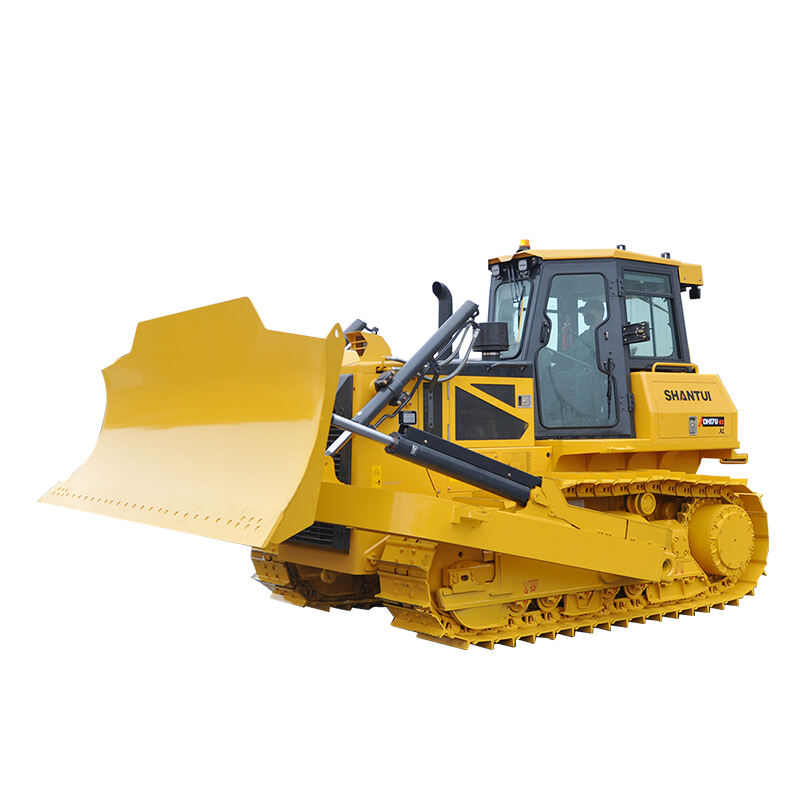
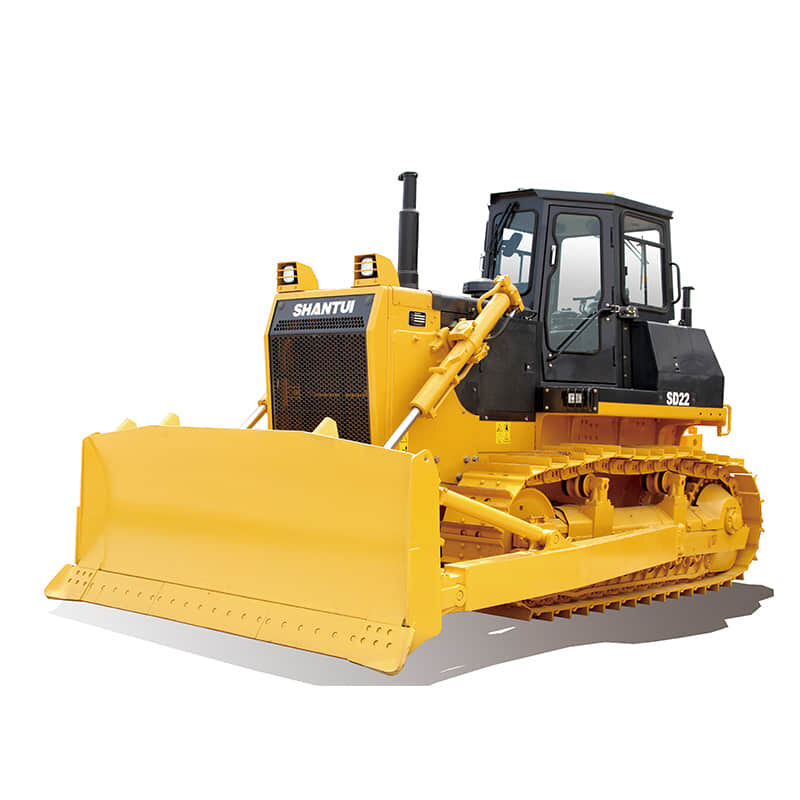
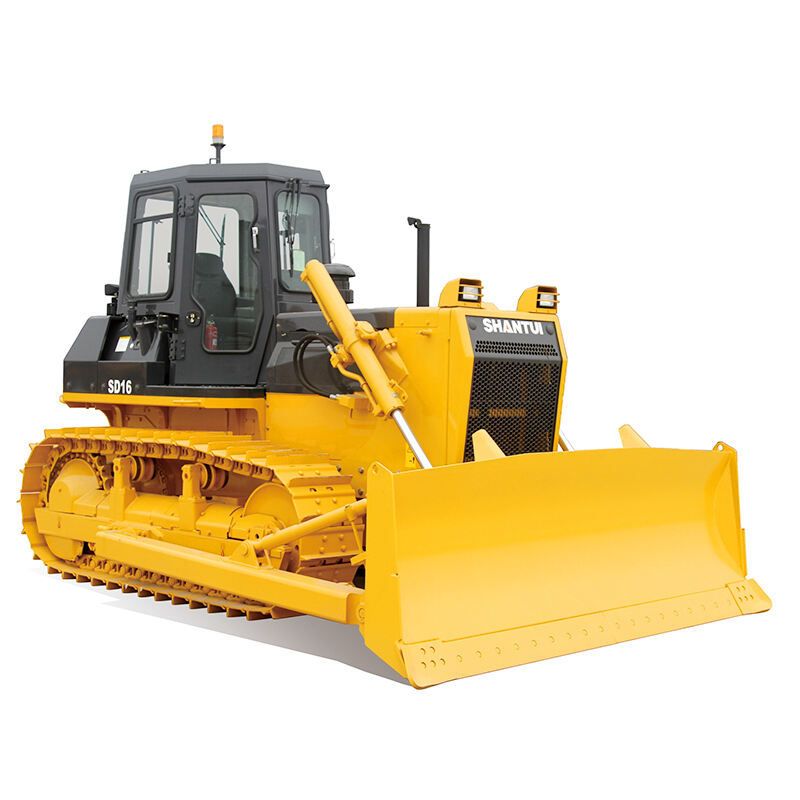
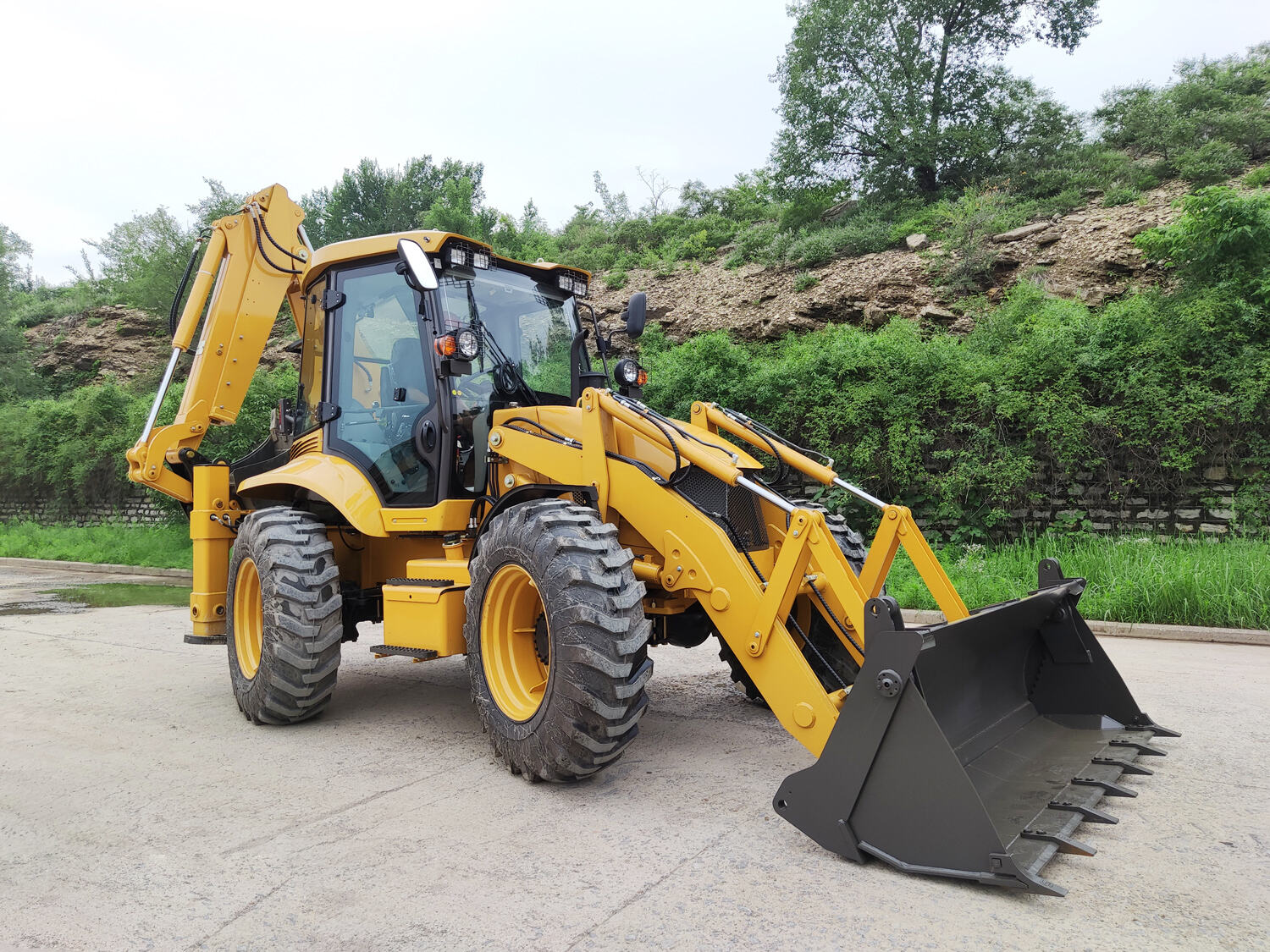
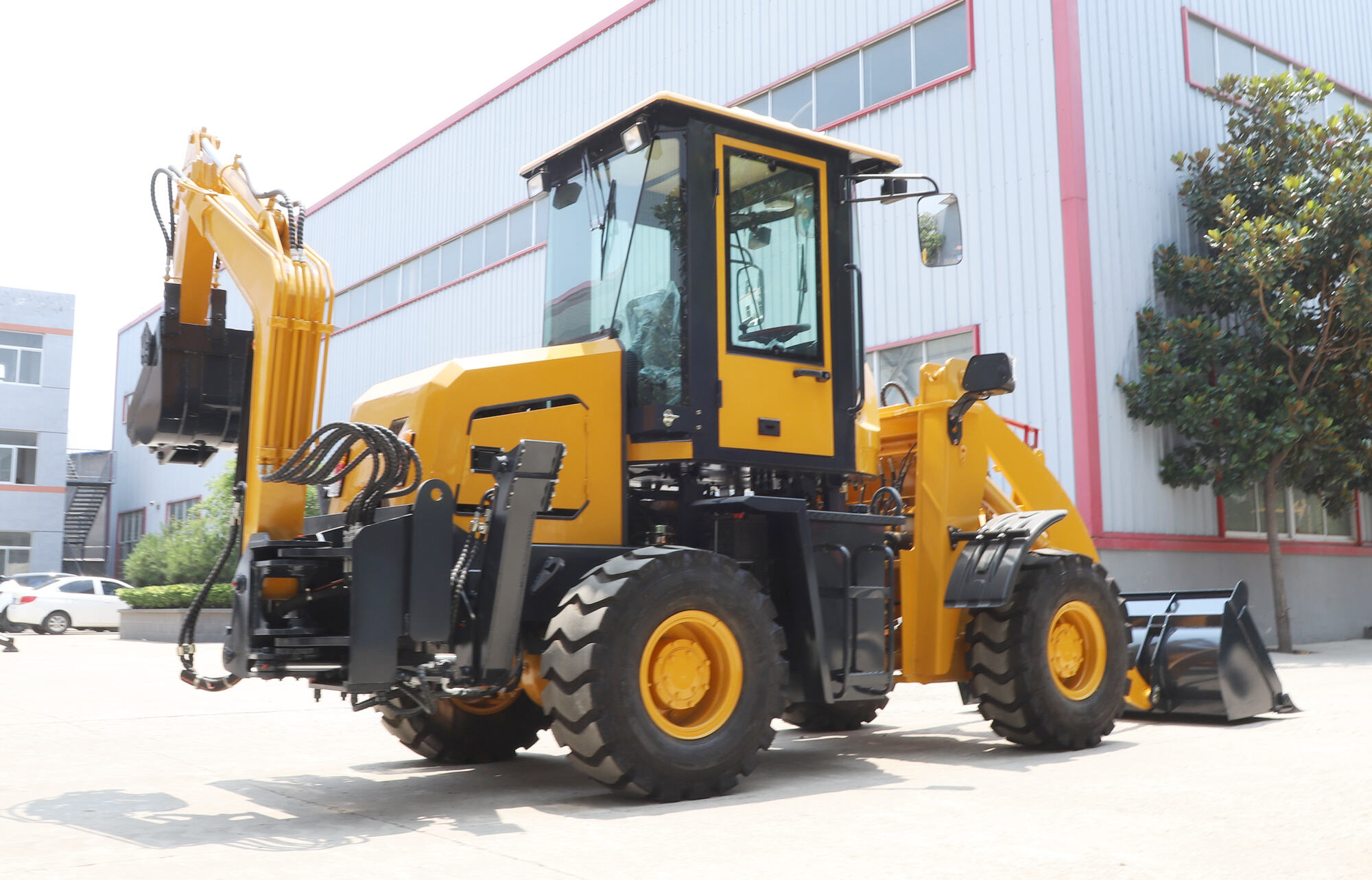
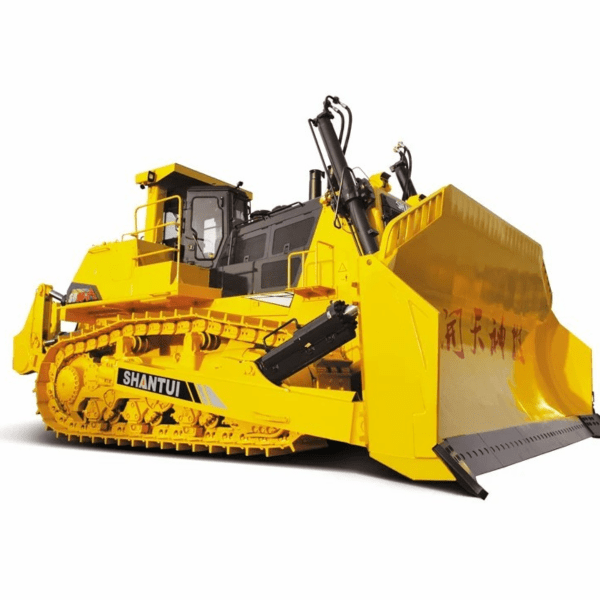
We maintain a dynamic and diverse inventory of loaders for sale to meet the urgent and varied needs of our global clientele. We understand that project timelines and business opportunities often require quick equipment solutions. Each machine we offer undergoes a rigorous inspection and reconditioning process to ensure it meets our quality standards. We are a trusted source for contractors and businesses looking to acquire reliable equipment quickly and efficiently.
When searching for a "loader for sale," you are entering a market offering a vast range of wheel loaders to suit every need and budget. This encompasses everything from compact articulated loaders for tight urban job sites to massive mining-scale machines. Key considerations when evaluating a loader for purchase include engine power and emission tier, bucket capacity and type, operating weight, hydraulic performance (breakout force and lift capacity), and transmission type. Modern machines for sale will feature advanced operator cabins with excellent visibility and comfort, pilot controls for reduced fatigue, and sophisticated electronic monitoring systems for enhanced diagnostics and uptime. The market includes new models with the latest technology and warranties, as well as a robust used and refurbished market offering value. Defining your primary application—whether it's light construction, aggregate handling, logging, or snow removal—is crucial to selecting the right loader with the appropriate attachments and capabilities for sale.
Detailed Description:
The market for a "Loader for Sale" presents a diverse array of machines, each engineered to meet specific operational demands, from light utility work to the most extreme mining conditions. A prospective buyer is not just purchasing a machine; they are investing in a productivity tool whose value is defined by its performance, reliability, and total cost of ownership. When navigating this market, three critical feature clusters should be deeply evaluated: the Powertrain and Drivetrain Configuration, the Loader Linkage and Hydraulic System, and the Operator Environment and Control Systems.
The core of any loader's capability is its Powertrain and Drivetrain Configuration. This system dictates the machine's power, speed, and traction. Buyers must consider the Diesel Engine's power output (HP/kW), its torque curve, and its compliance with emission regulations (e.g., Tier 4 Final/Stage V), which can impact maintenance requirements. This engine is paired with a transmission, typically a Torque Converter with an Planetary Transmission. The torque converter is essential for providing the smooth, multiplied torque needed for digging and pushing, while the planetary gear transmission offers robustness and efficient power transfer. The drivetrain is invariably a permanent Four-Wheel Drive system, which is non-negotiable for maintaining traction under load. The differentials and axles are built to withstand incredible stresses. For the largest machines, features like Central Tire Inflation systems may be available, allowing the operator to adjust tire pressure on the go to optimize traction and flotation for different terrains. The choice here balances raw power with operational efficiency and future-proofing against evolving regulations.
The mechanism that does the actual work is the Loader Linkage and Hydraulic System. This defines the machine's strength and versatility. The design of the boom arms (Z-bar or parallel lift) affects both Breakout Force and Lift Height. A high breakout force is critical for digging into compacted piles, while a high lift capacity and reach are necessary for loading high-sided trucks. The heart of this system is the hydraulic setup. Advanced machines feature Load-Sensing Hydraulics and Dual-Pump Convergence Systems, which prioritize and combine hydraulic flow to different functions for faster, more powerful, and more efficient cycle times. The bucket is attached via a Quick Coupler, allowing for rapid interchange between a standard bucket, pallet forks, snow blades, or other specialized attachments, transforming the loader's functionality in minutes. The hydraulic system's performance directly impacts productivity, measured in cycles per hour and tons moved.
Finally, the Operator Environment and Control Systems are where the human operator interfaces with the machine's power. A modern, comfortable cab is a productivity feature. It must be a ROPS/FOPS Certified Cab (Roll-Over Protective Structure/Falling Object Protective Structure) for ultimate safety. Inside, features like Panoramic Glass for excellent visibility, a Suspension Seat, and Air Conditioning are standard for reducing operator fatigue during long shifts. The control system is paramount. Pilot Hydraulic Controls or even electronic joysticks provide effortless, precise command over the machine. An Electronic Monitoring System provides a Fault Self-Diagnosis readout, alerting the operator to potential issues before they cause downtime. For sale are machines that may also offer advanced features like Return-to-Dig or Auto-Lift functions, which automate parts of the loading cycle for consistent, efficient operation. This focus on the operator environment enhances safety, reduces errors, and maximizes productivity, making it a critical factor in the total value proposition of a loader for sale.

 EN
EN