
 EN
EN
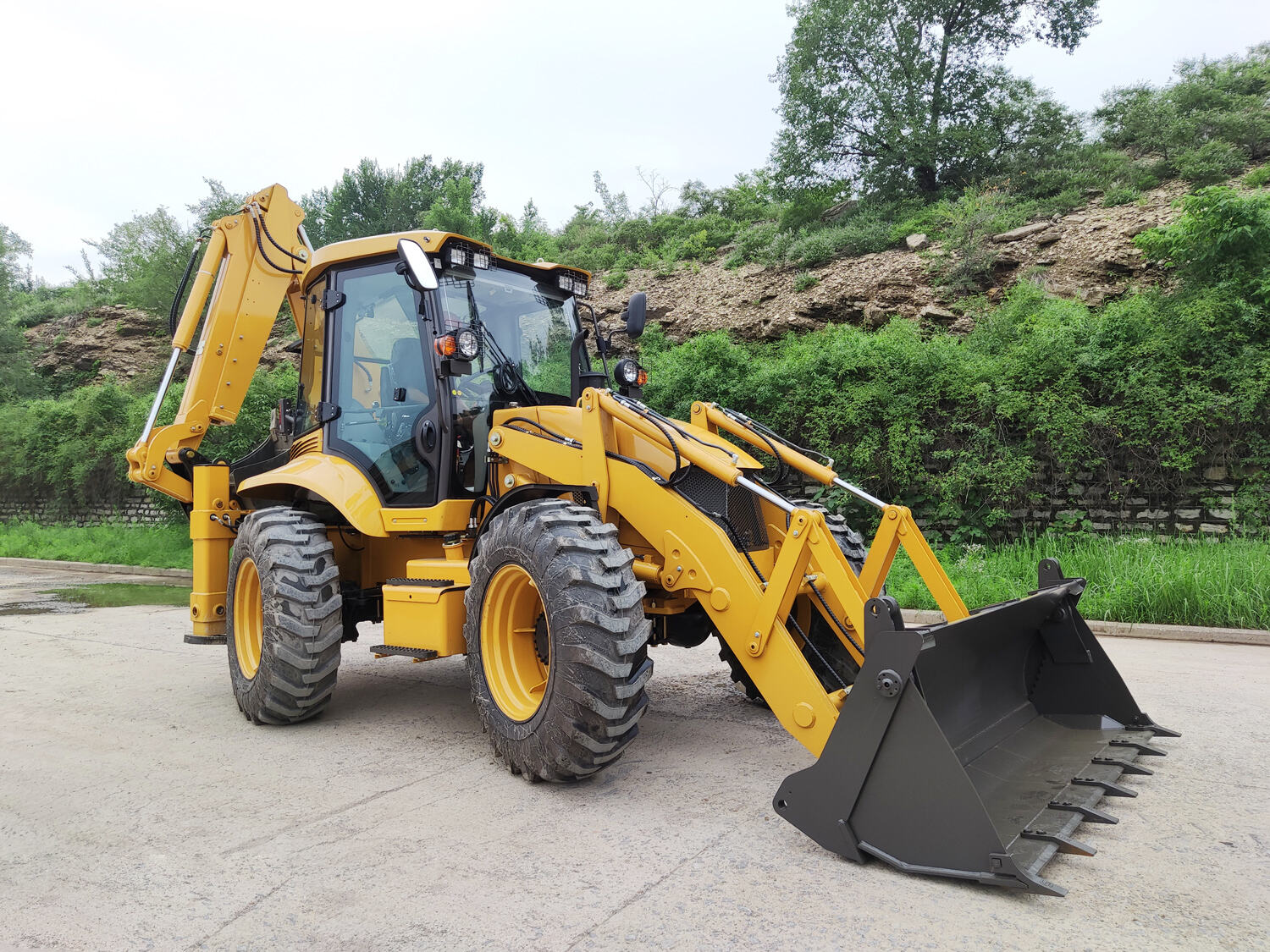
As an engineering business manager, I'm constantly faced with the task of selecting the right equipment to ensure the smooth progress of our projects. Among the various heavy machinery options, the backhoe loader plays a crucial role in many of our operations. However, with numerous models and brands available in the market, identifying the best backhoe loader for our specific business needs can be quite a challenge. In this article, I'll share my insights on how to make this important decision by considering the key product features and manufacturing advantages that truly matter.
Key Features of the Best Backhoe Loader
Versatility
The best backhoe loader should offer high versatility. It typically combines a loader bucket at the front and a backhoe attachment at the rear. This dual functionality allows it to handle a wide variety of tasks. For example, in a construction project, the loader bucket can be used to scoop up materials like dirt, gravel, and sand for loading onto trucks or stockpiling on-site. Meanwhile, the backhoe can dig trenches for utility lines, create foundations for structures, or perform small-scale excavation work around existing buildings. The ability to switch between these functions seamlessly makes the best backhoe loader a valuable asset in different work scenarios, reducing the need for multiple specialized machines.
Size and Maneuverability
Size matters when it comes to choosing the best backhoe loader. Depending on the nature of our projects, we might need a compact model that can access tight spaces such as urban construction sites with narrow alleys or small agricultural areas with limited access. A smaller backhoe loader can turn on a dime, making it easier to navigate around obstacles and reach areas that larger machines can't. On the other hand, for large-scale projects in open areas, a larger and more powerful backhoe loader might be more suitable to handle heavier loads and cover greater distances efficiently. Maneuverability also includes factors like the turning radius and the ease with which the machine can be positioned precisely where needed. The best backhoe loader should strike a balance between size and maneuverability according to our specific working environments.
Power and Performance
The power of the engine is a key factor in determining the best backhoe loader. A more powerful engine can provide the necessary torque and horsepower to handle tough digging and loading tasks. It enables the backhoe loader to work efficiently even in challenging soil conditions or when dealing with heavy materials. Additionally, the performance of the hydraulic system is crucial. A high-quality hydraulic system ensures smooth operation of both the loader bucket and the backhoe attachment, allowing for precise movements and quick response times. The best backhoe loader should have a well-matched engine and hydraulic system to deliver optimal performance in our daily operations.
Operator Comfort and Visibility
For our operators to work effectively and safely, the best backhoe loader should offer good comfort and visibility. The operator's cab should be designed with features like adjustable seats, climate control systems (if possible), and sufficient legroom. This helps reduce operator fatigue during long working hours. Good visibility is achieved through large windows and well-positioned mirrors that minimize blind spots. Operators need to clearly see the work area in front of and around the machine to make accurate decisions when operating the loader and backhoe functions. This aspect is especially important in busy and crowded job sites.
Attachment Compatibility
The best backhoe loader should be able to accommodate a variety of attachments. Besides the standard loader bucket and backhoe bucket, it should be possible to attach other useful tools like hydraulic breakers for breaking up concrete, grapples for handling large debris or logs, or pallet forks for moving materials on pallets. This attachment compatibility expands the functionality of the backhoe loader and makes it more adaptable to different project requirements.
Manufacturing Advantages of the Best Backhoe Loader
Quality Materials
The manufacturing process of the best backhoe loader involves using high-quality materials. The frame is usually made from strong steel alloys that can withstand the heavy loads and stresses during operation. The buckets and attachments are crafted from materials that are resistant to wear and tear, ensuring a long service life. This use of top-notch materials not only enhances the durability of the machine but also reduces maintenance costs in the long run, which is beneficial for our business operations.
Advanced Manufacturing Techniques
Manufacturers of the best backhoe loader employ advanced techniques. Computer numerical control (CNC) machining is used to fabricate parts with tight tolerances, ensuring that all the components fit together smoothly. This results in fewer mechanical issues and a more reliable operation. Welding processes are carefully controlled to form strong and durable connections between different parts of the machine. The hydraulic systems are designed and built with precision, using high-quality hydraulic pumps and cylinders and suitable hydraulic fluid to maintain consistent performance under different operating conditions.
Safety Features
Safety is a top priority in the manufacturing of the best backhoe loader. It comes equipped with overload protection systems to prevent damage to the machine from excessive loads. Rollover protection structures (ROPS) and falling object protection systems (FOPS) are incorporated in the operator's cab to safeguard the operator's life. Emergency stop buttons are placed in accessible locations so that the operator can quickly halt the machine if needed. These safety features not only protect our employees but also contribute to the overall reliability of the backhoe loader.
Modular Design
The modular design of the best backhoe loader is another advantage. Key components such as the engine, hydraulic pumps, and transmission can be replaced or serviced independently. This simplifies maintenance and repair work, reducing downtime. If a part malfunctions, technicians can quickly identify and replace it without having to disassemble the entire machine. This modularity also allows for future upgrades or customizations to better meet our changing business needs.
Conclusion
In conclusion, as an engineering business manager, identifying the best backhoe loader for our business needs requires a comprehensive consideration of various factors. By evaluating the key product features like versatility, size, power, operator comfort, and attachment compatibility, along with the manufacturing advantages including quality materials, advanced techniques, safety features, and modular design, we can make an informed decision. The right backhoe loader will not only enhance the efficiency and productivity of our projects but also ensure the safety and comfort of our operators. It's an investment that can have a significant impact on the success of our engineering business, so careful selection is essential.