
 EN
EN
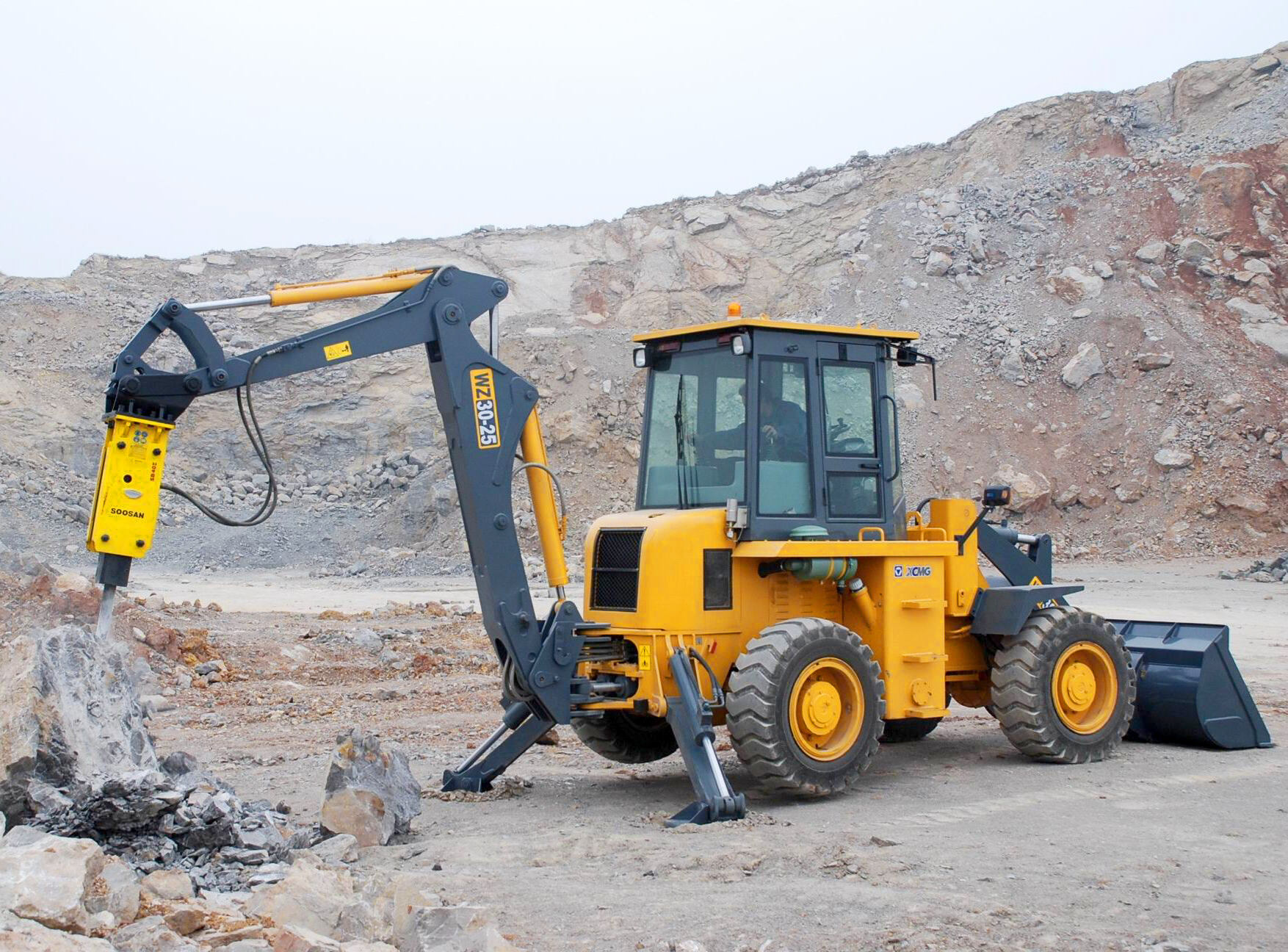
As a safety officer, I'm acutely aware of the potential risks involved in operating a backhoe loader digger. These powerful machines are widely used in construction, agriculture, and various infrastructure projects, but if not operated correctly, they can pose serious threats to both the operator and those around the work area. Therefore, it's crucial to have a comprehensive understanding of how to operate a backhoe loader digger safely. In this article, I'll provide a step-by-step guide on safe operation, along with an overview of its key features and manufacturing advantages that are relevant to safety considerations.
Key Features of the Backhoe Loader Digger Relevant to Safety
The backhoe loader digger is a versatile piece of machinery with several features that impact safety. Firstly, its dual functionality, having a loader bucket at the front and a backhoe attachment at the rear, means that operators need to be well-versed in handling two distinct sets of operations. The loader bucket is used for tasks like scooping and loading materials, and the backhoe for digging. When switching between these functions, proper procedures must be followed to avoid sudden movements or incorrect positioning that could lead to accidents. For example, when moving from using the loader to the backhoe, ensuring that the machine is on stable ground and properly parked before making the switch is essential.
The size and weight of the backhoe loader digger are significant safety factors. These machines are often large and heavy, which requires careful maneuvering in confined spaces. Operators must be aware of the machine's turning radius and how it behaves when moving around obstacles. In a construction site with limited space, such as a city building project, misjudging the space available and colliding with other structures or equipment can cause serious damage. Also, the weight distribution plays a crucial role in maintaining stability. When loading the loader bucket or when the backhoe is in operation, understanding how the weight shifts and ensuring it remains within safe limits is vital for preventing tipping over.
The visibility from the operator's cab of the backhoe loader digger is another key aspect. Good visibility allows the operator to see the work area clearly, including any workers or other objects in the vicinity. Modern backhoe loader diggers are designed with large windows and strategically placed mirrors to minimize blind spots. However, operators still need to regularly check all around the machine before and during operation. For instance, when digging a trench with the backhoe, being able to see if there are any underground utilities or people approaching from the sides is crucial for avoiding accidents.
The controls of the backhoe loader digger are designed to be user-friendly, but they also require proper training to operate safely. The joysticks and other control mechanisms for the loader and backhoe functions need to be understood thoroughly. An operator must know how to make smooth and precise movements, as sudden or jerky actions can cause the machine to lurch or the attachments to hit something unexpectedly. For example, when using the backhoe to lift a heavy load, a gentle and controlled operation of the controls is necessary to prevent the load from swinging and causing instability.
Manufacturing Advantages of the Backhoe Loader Digger for Safety
The manufacturing process of the backhoe loader digger incorporates several elements that enhance safety.
High-quality materials are used in its construction to ensure durability and structural integrity. The frame is typically made from strong steel alloys that can withstand the heavy loads and stresses during operation. This sturdy construction reduces the risk of the machine breaking down or parts failing during use, which could lead to dangerous situations. For example, a well-built frame is less likely to warp or crack under the weight of a loaded loader bucket or the forces exerted by the backhoe while digging.
Advanced manufacturing techniques are employed to create precise and reliable components. Computer numerical control (CNC) machining is used to fabricate parts with tight tolerances, ensuring that all the components fit together smoothly. This results in fewer mechanical issues and smoother operation of the backhoe loader digger. Welding processes are carefully controlled to form strong and durable connections between different parts of the machine. The hydraulic systems are also designed with safety in mind. They are engineered to provide consistent and controlled power for the loader and backhoe movements. High-quality hydraulic pumps and cylinders are used, along with hydraulic fluid that maintains its properties under different operating conditions, ensuring that the machine responds predictably and safely to operator commands.
Safety features are integrated into the backhoe loader digger from the design stage. Rollover protection structures (ROPS) and falling object protection systems (FOPS) are standard in the operator's cab. ROPS helps protect the operator in case of a rollover accident, while FOPS safeguards against falling debris. Additionally, overload protection systems are installed to prevent the machine from being damaged by excessive loads. These systems monitor the load on the loader bucket and the backhoe and will alert the operator or automatically limit the operation if the load exceeds safe levels. Emergency stop buttons are also placed in accessible locations so that the operator can quickly halt the machine in case of an emergency.
The modular design of the backhoe loader digger is another manufacturing advantage for safety. Key components such as the engine, hydraulic pumps, and transmission can be easily replaced or serviced independently. This simplifies maintenance and repair work, reducing the downtime of the machine. If a part malfunctions, it can be quickly identified and fixed, minimizing the risk of continued operation with a faulty component that could lead to a safety hazard.
Step-by-Step Guide to Operating a Backhoe Loader Digger Safely
Step 1: Pre-Operation Inspection
Before starting the backhoe loader digger, conduct a thorough inspection. Check the tires or tracks for proper inflation and any visible damage. Examine the loader bucket and backhoe attachments for wear and tear, loose bolts, or any signs of malfunction. Inspect the hydraulic hoses for leaks and make sure all the safety features like ROPS, FOPS, and emergency stop buttons are in working order. Also, check the visibility from the cab by ensuring the windows are clean and the mirrors are properly adjusted.
Step 2: Starting the Machine
Once the inspection is complete and everything is in order, sit in the operator's cab and fasten your seatbelt. Turn on the ignition and allow the engine to warm up for a few minutes, listening for any unusual noises. Check the gauges on the dashboard to ensure the engine is operating within normal parameters.
Step 3: Familiarizing Yourself with the Controls
Before moving the machine, take a moment to familiarize yourself again with the controls. Know which joystick or button controls the loader bucket's movements (such as raising, lowering, and tilting) and which ones operate the backhoe (like extending, retracting, and rotating). Practice making small, smooth movements with the controls while the machine is stationary to get a feel for how it responds.
Step 4: Moving the Machine
When you're ready to move, engage the appropriate gear (if applicable) and slowly release the brake. Use the steering controls to guide the backhoe loader digger in the desired direction. Be cautious of your surroundings, especially in areas with limited space or other obstacles. Keep an eye on the machine's turning radius and make sure you have enough clearance.
Step 5: Using the Loader Bucket
To use the loader bucket, position the machine near the material you want to scoop. Slowly lower the bucket onto the material and then curl it back to scoop it up. When loading the material into a truck or moving it to another location, raise the bucket carefully and move the machine smoothly. Avoid overloading the bucket as it can affect the machine's stability.
Step 6: Using the Backhoe
When switching to the backhoe, park the machine on stable ground and engage the necessary safety locks. Extend the backhoe as needed for the task at hand, whether it's digging a trench or excavating a small area. Make sure to keep the movements slow and controlled, and constantly monitor the depth and position of the backhoe to avoid hitting any underground utilities or causing unnecessary damage.
Step 7: Shutting Down the Machine
After completing your work, park the backhoe loader digger on a flat and stable surface. Lower all the attachments to the ground and engage any parking brakes. Turn off the engine and remove the key. Conduct a final check of the machine to ensure there are no visible issues or potential safety hazards before leaving it.
Conclusion
In conclusion, operating a backhoe loader digger safely requires a combination of understanding its key features, being aware of the manufacturing advantages related to safety, and following a strict step-by-step operation process. By carefully considering these aspects and adhering to proper safety protocols, operators can minimize the risks associated with using these powerful machines and ensure a safe working environment for themselves and those around them. Remember, safety should always be the top priority when working with backhoe loader diggers.