
 EN
EN
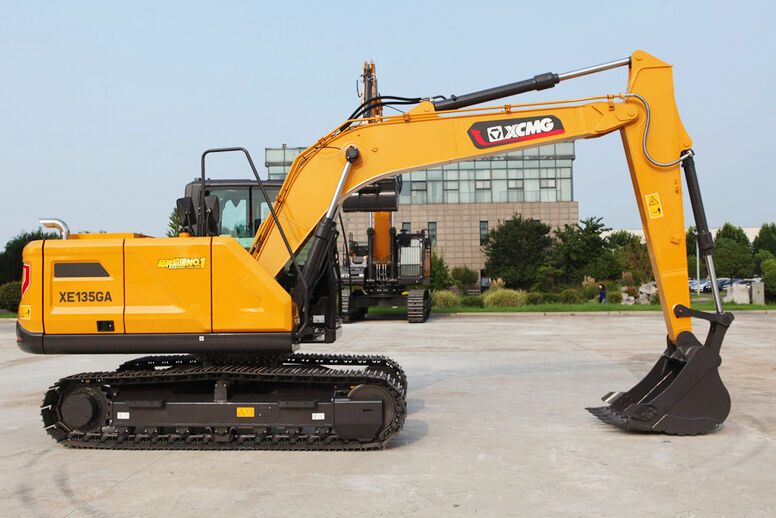
The modern excavator has become one of the most indispensable machines in the construction, mining, and civil engineering industries. Unlike the heavy, fuel-hungry machines of past decades, today's excavator is a precision-engineered piece of equipment designed to maximize productivity, reduce operational costs, and meet increasingly strict environmental regulations. Whether you are breaking ground on a new infrastructure project or working in a confined urban space, the right excavator can transform your workflow entirely.
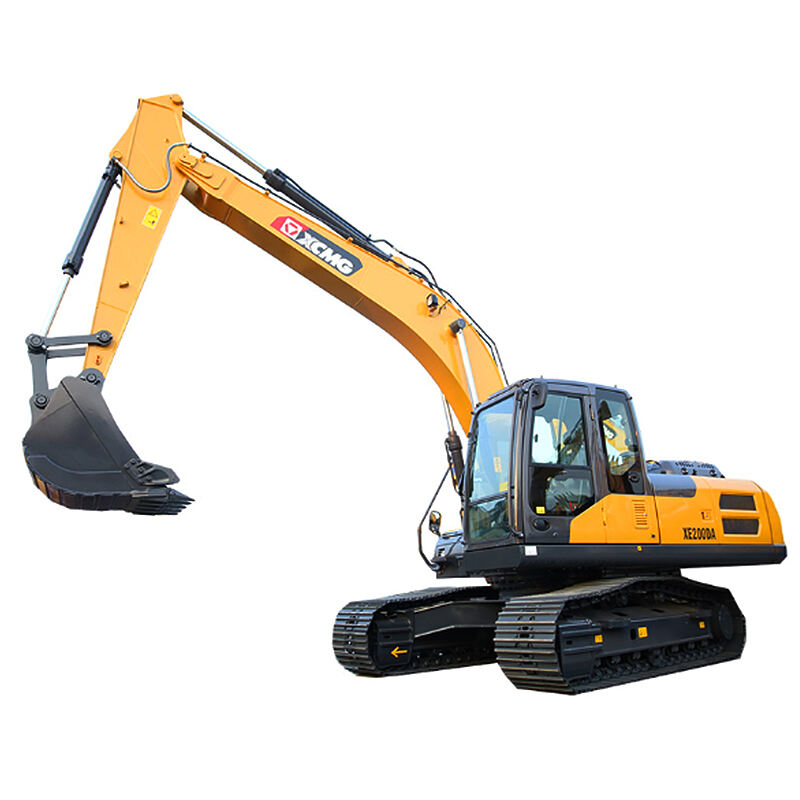
Understanding what makes a modern excavator advantageous is essential for project managers, fleet owners, and procurement specialists who need to justify capital investment and select the best machinery for each job. This article explores the core advantages that today's excavators bring to real-world operations, covering everything from fuel efficiency and hydraulic performance to operator comfort and versatile application across multiple industries.
Enhanced Fuel Efficiency and Eco-Mode Technology
The Shift Toward Economical Operation
One of the most significant developments in the modern excavator is the integration of eco-mode operating systems. These intelligent control systems automatically adjust engine output and hydraulic pressure based on the actual workload demand, preventing unnecessary fuel consumption during lighter tasks. For contractors running multiple machines on a single site, these savings accumulate rapidly across work shifts and project durations.
Eco-mode technology does not sacrifice power for efficiency. Instead, it optimizes the power delivery curve so that the excavator responds with full force when digging hard ground or lifting heavy loads, and then scales back intelligently during repositioning or idle moments. This kind of dynamic control was simply not available in older machine generations, making it a genuine advantage for cost-conscious operations.
Fuel is one of the highest recurring costs in any earthmoving operation, and a well-calibrated excavator with eco-mode can reduce diesel consumption by a measurable margin over conventional machines of equivalent capacity. This directly improves project margins and makes it easier to deliver bids competitively without cutting corners on quality.
Reduced Emissions and Environmental Compliance
Modern emission standards require construction machinery to meet increasingly strict thresholds for particulate matter and nitrogen oxide output. Today's excavator is engineered to comply with these standards through advanced engine management systems, exhaust after-treatment technologies, and cleaner combustion cycles. This is not just a regulatory box to check — it reflects a broader industry commitment to sustainable construction practices.
For project owners working in environmentally sensitive areas, urban districts, or jurisdictions with air quality restrictions, operating a compliant excavator helps avoid fines, delays, and reputational damage. It also opens access to public contracts and government-funded projects that mandate low-emission equipment on-site.
Advanced Hydraulic Systems for Greater Precision and Power
How Modern Hydraulics Change Digging Performance
The hydraulic system is the heart of any excavator, and modern designs have elevated this technology to deliver both raw power and fine-tuned control simultaneously. Variable displacement hydraulic pumps, load-sensing circuits, and electronically controlled flow management allow the operator to perform complex, precise movements that would have required far greater skill and effort on older equipment.
This translates directly into faster cycle times, more accurate bucket placement, and lower risk of over-digging or damaging underground utilities. On trenching jobs where precision is critical, a well-hydrauliced excavator can reduce rework and avoid costly service interruptions caused by accidental infrastructure strikes.
The hydraulic construction machine design also supports a wide range of attachments — from hydraulic hammers and shear cutters to sorting grabs and compactors — all of which depend on consistent hydraulic flow and pressure to function effectively. A modern excavator with a high-performance hydraulic system therefore becomes a multi-functional platform rather than a single-purpose digging tool.
Durability Under Demanding Conditions
In mining and heavy earthmoving applications, the hydraulic system of an excavator faces enormous stress from continuous high-load cycles, abrasive materials, and extreme temperature variations. Modern excavators address this through reinforced seals, heat-resistant hose routing, and filtration systems that protect internal components from contamination and wear.
The result is a machine that maintains consistent performance over longer service intervals, reducing unplanned downtime and repair costs. For fleet managers, fewer hydraulic failures mean higher machine availability rates, which is a key metric in project scheduling and profitability calculations.
Operator Comfort and Intelligent Control Systems
The Role of Cab Design in Productivity
A productive excavator operation depends as much on the operator as it does on the machine itself. Modern excavator cabs are designed with ergonomics, visibility, and operator fatigue reduction as primary engineering goals. Adjustable seats, low-vibration joystick controls, air conditioning, and intuitive dashboard displays all contribute to a working environment where operators can maintain high concentration and performance across long shifts.
Research in occupational health consistently links operator comfort to fewer errors, faster cycle times, and lower incidence of work-related musculoskeletal injuries. By investing in an excavator with a well-designed cab, contractors are also investing in operator retention and safety compliance — both of which carry significant financial implications.
Modern cab designs also prioritize 360-degree visibility and optional camera systems that help operators work safely near structures, traffic, and other workers. This situational awareness reduces accidents and increases the speed at which the excavator can operate in confined or complex environments.
Digital Monitoring and Smart Diagnostics
Today's excavator is equipped with onboard diagnostic systems that continuously monitor engine health, hydraulic pressures, fuel consumption, and operational hours. These systems alert operators and fleet managers to developing faults before they become serious failures, enabling proactive maintenance scheduling that prevents costly breakdowns on active job sites.
Some modern machines connect to telematics platforms, allowing remote monitoring of each excavator in a fleet from a central management interface. This visibility supports better asset utilization decisions, fuel accountability, and maintenance planning across geographically distributed projects — capabilities that were previously only available to large corporations with substantial IT infrastructure.
Versatility Across Industries and Application Types
From Construction to Mining and Trenching
The modern excavator is used across an extraordinary range of industries and applications. In urban construction, it handles foundation excavation, demolition, and material handling. In mining operations, it works in tandem with haul trucks to move large volumes of overburden and ore. In utility and civil engineering projects, it performs trenching work for pipelines, cables, and drainage systems with the precision needed to work alongside existing infrastructure.
This versatility is made possible by the combination of powerful base machine performance and the wide ecosystem of compatible attachments. An excavator designed for mining and trenching tasks needs to deliver consistent bucket breakout force, reliable crawling stability on uneven terrain, and the hydraulic versatility to switch between different working tools without compromising cycle times.
The crawler undercarriage design used on most mid-to-large excavators provides the ground contact area and traction needed to work on soft, wet, or uneven surfaces that would immobilize wheeled machines. This makes the crawler excavator the preferred choice for earthworks in challenging terrain conditions, including riverbank work, hillside grading, and post-rain excavation on clay-heavy ground.
Scalability for Different Project Sizes
The modern excavator market offers machines across a wide weight and power range, from compact mini models used in residential and landscaping work to 20-ton and larger units designed for heavy civil and mining projects. This scalability means contractors can select the right size class for each job rather than overspecifying or underequipping their operations.
A 20-ton class excavator represents an especially popular balance point for many mid-scale contractors, combining meaningful digging power, manageable transport dimensions, and fuel efficiency that suits both extended mining cycles and shorter-duration trenching contracts. The ability to deploy the same machine across different project types without major configuration changes is a practical advantage that directly reduces equipment investment and fleet complexity.
Long-Term Value and Return on Investment
Lower Total Cost of Ownership
When evaluating the advantages of a modern excavator, it is essential to look beyond the initial purchase price and assess the total cost of ownership over the machine's service life. Modern excavators are engineered with extended service intervals, easier access to maintenance points, and standardized components that reduce both labor time and parts costs during routine servicing.
The combination of eco-mode fuel savings, reduced hydraulic failure rates, and longer undercarriage life means that the operating cost per hour of a modern excavator is substantially lower than older machine generations of comparable capacity. Over a multi-year ownership period, these differences compound into significant financial advantages that justify premium investment in contemporary machinery.
Resale Value and Market Demand
Modern excavators with documented service histories, emission compliance certifications, and updated telematics systems command stronger resale prices in the used equipment market. Buyers in this market increasingly prioritize machines that meet current emission standards and can be verified through digital service records, which gives owners of well-maintained modern excavators a clear exit advantage when it is time to refresh their fleet.
This strong secondary market demand reflects the broad utility of the excavator across industries and regions, and reinforces the case for investing in a modern, well-specified machine rather than cutting costs on older or lower-specification alternatives. The excavator remains one of the most liquid capital assets in the construction equipment sector.
FAQ
What makes a modern excavator more efficient than older models?
Modern excavators incorporate eco-mode engine management, variable displacement hydraulic pumps, and advanced electronic controls that collectively reduce fuel consumption while maintaining or improving digging performance. These technologies were not available on older machines, making contemporary excavators significantly more efficient in both cost and energy terms across real-world operating conditions.
Is a crawler excavator suitable for both mining and trenching work?
Yes. A crawler excavator is well-suited for both mining and trenching applications because its undercarriage provides stable footing on uneven, soft, or sloped terrain. The hydraulic system on mid-to-large crawler excavators can deliver the breakout force needed for hard-ground mining while also offering the precision control required for accurate trenching near existing infrastructure.
How does eco-mode affect the performance of an excavator?
Eco-mode on a modern excavator adjusts engine speed and hydraulic output dynamically based on real-time load demand. During heavy digging cycles, the machine delivers full power. During lighter movements or repositioning, the system scales back to conserve fuel. This does not degrade overall productivity — instead, it improves efficiency by eliminating unnecessary energy expenditure during portions of the work cycle that do not require maximum output.
What should I consider when selecting an excavator for a construction project?
Key selection factors include the required digging depth and reach, the nature of the material being excavated, site access constraints, emission compliance requirements, and whether the project demands specialized attachments. Machine weight class, hydraulic flow capacity, and cab comfort features are also important for operators who will use the excavator across extended work shifts or in challenging environmental conditions.