
 EN
EN

The undercarriage of a bulldozer is one of the most mechanically stressed and financially significant systems on the entire machine. It endures continuous ground contact, extreme loads, abrasive soil conditions, and thousands of operating hours over the life of the equipment. For contractors, fleet managers, and site operators, understanding how to preserve and extend undercarriage life is not just a maintenance question — it is a direct factor in controlling operational costs and maximizing machine availability.
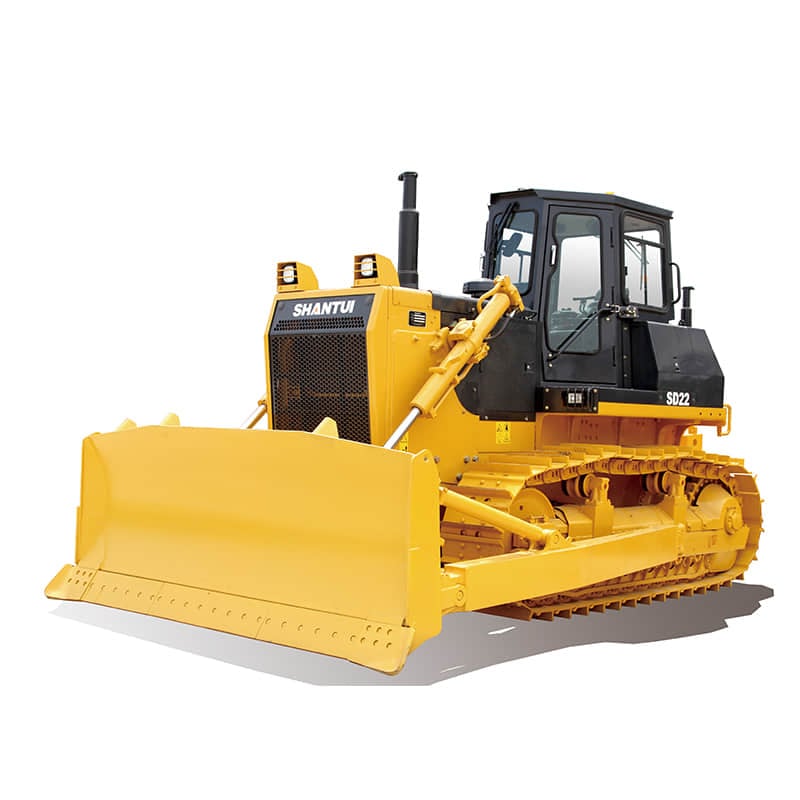
The undercarriage system of a bulldozer typically accounts for a large portion of total ownership and operating costs, often reaching 50% or more of maintenance expenditure over the machine's service life. Every decision made on the jobsite — from how the bulldozer is operated to how frequently it is inspected — has a measurable impact on how long the undercarriage components last. This article breaks down the most effective strategies for extending undercarriage lifespan, giving you practical, actionable guidance built on real-world equipment management principles.
Understanding the Undercarriage System and Its Wear Patterns
What the Undercarriage Comprises
The undercarriage of a bulldozer is a complex assembly that includes track chains, track shoes, track rollers, carrier rollers, idlers, sprockets, and the recoil spring assembly. Each of these components interacts constantly with the ground and with each other during operation. Understanding what each part does and how it wears is the first step toward making informed maintenance decisions.
Track chains transmit drive force from the sprocket to the ground through the track shoes. As the bulldozer moves, the chain links and bushings rotate and slide against each other, generating internal wear with every revolution. Rollers carry the machine's weight along the track frame and experience direct contact stress throughout the working day. Idlers maintain track tension and guide the chain, absorbing shocks as the bulldozer traverses uneven terrain.
Sprockets engage the chain bushings and drive the entire system forward. The engagement points between sprocket teeth and bushings are high-wear zones that require close monitoring. Understanding this system as an interconnected whole — rather than a collection of individual parts — is essential for any effective lifespan extension strategy.
Common Wear Mechanisms on a Bulldozer Undercarriage
Wear on a bulldozer undercarriage is primarily driven by abrasion, impact, and corrosion. Abrasive soils such as sandy or gravelly ground accelerate bushing and pin wear significantly compared to softer clay-based terrain. Rocky ground increases impact loads on rollers, idlers, and track shoes, accelerating structural fatigue. Wet or chemically active soils promote corrosion of metal surfaces, degrading the integrity of seals, bushings, and bearing surfaces.
Track pitch elongation is one of the clearest indicators of cumulative wear. As pins and bushings wear, the effective pitch of the chain increases, causing the chain to ride higher on the sprocket teeth. This accelerates sprocket wear and can lead to chain derailment if left unaddressed. Roller flange wear and tread wear directly affect how the bulldozer tracks and steers, influencing both productivity and safety on site.
Recognizing these wear patterns early allows maintenance teams to take targeted action before minor wear becomes catastrophic failure. A bulldozer that loses a track shoe mid-operation on a steep grade presents both a safety risk and a costly unplanned downtime event. Proactive pattern recognition is therefore a foundational element of undercarriage longevity.
Operational Practices That Directly Affect Undercarriage Life
Optimizing Dozing Technique to Reduce Unnecessary Stress
How an operator runs a bulldozer has as much influence on undercarriage life as the mechanical condition of the machine itself. Aggressive or careless operating habits can cut undercarriage life dramatically, while disciplined technique can extend service intervals substantially. This is why operator training is considered a maintenance investment, not just a productivity measure.
Spinning or skidding the tracks — a common occurrence when a bulldozer is pushed beyond its traction limit — causes rapid abrasive wear on track shoe grousers and ground engagement surfaces. Operators should avoid applying full blade load in conditions where the ground cannot provide adequate traction. Instead, reducing blade load and maintaining smooth, controlled contact with the material preserves shoe life and prevents undue stress on the drive train.
Counter-rotation turns, where the tracks spin in opposite directions to rotate the machine in place, place extreme torsional stress on the undercarriage components. Minimizing counter-rotation and favoring gradual, wide turns whenever the site layout permits is a straightforward way to reduce lateral loading on rollers and track links. Experienced operators on a well-managed site often extend undercarriage life by 20 to 30% through technique alone.
Terrain Selection and Work Pattern Planning
Not all parts of a jobsite impose equal wear on a bulldozer's undercarriage. Rocky or abrasive ground areas cause disproportionately higher wear rates than compacted earth. Where possible, routing the bulldozer away from areas with sharp rocks, concrete rubble, or coarse aggregate reduces impact and abrasion wear on shoes, rollers, and chains.
Operating a bulldozer predominantly on side slopes causes uneven lateral loading across the track assembly. The downhill track bears more weight and experiences greater stress, leading to asymmetric wear patterns that reduce the serviceable life of the entire undercarriage system. Minimizing sustained side-slope operation and redistributing load by repositioning the machine periodically helps equalize wear across both track sides.
Traveling long distances on a bulldozer also accelerates chain and bushing wear without productive blade output. When moving between work areas, consider transporting the bulldozer on a lowboy rather than driving it across extended hard-surface distances. Hard surfaces such as concrete or compacted gravel generate higher rolling resistance and cause faster shoe and roller wear than natural earthen terrain.
Maintenance Scheduling and Inspection Protocols
Establishing a Consistent Inspection Routine
A structured inspection routine is the backbone of any undercarriage lifespan extension program. Waiting for visible damage or mechanical symptoms before inspecting a bulldozer's undercarriage is a reactive strategy that consistently leads to higher repair costs and avoidable downtime. Proactive inspection catches wear trends while options for intervention are still available.
Daily walk-around inspections should include a visual check of track tension, visible shoe damage, roller seal condition, and any signs of oil leakage from rollers or idlers. Loose or missing track shoes must be identified and addressed before operation resumes. Roller seal leaks, even minor ones, allow contamination ingress that accelerates internal wear and ultimately leads to premature roller failure.
At regular service intervals — typically aligned with engine oil change schedules — a more detailed undercarriage inspection should be conducted. This includes measuring track chain pitch elongation with a wear gauge, checking sprocket tooth profile, and measuring roller flange and tread wear. Recording these measurements against the original specifications allows maintenance teams to track wear rates and predict remaining service life with reasonable accuracy.
Track Tension Adjustment and Its Role in Component Life
Incorrect track tension is one of the most common and easily preventable causes of accelerated undercarriage wear on a bulldozer. Tracks that are too tight place excessive stress on pins, bushings, and rollers, increasing wear rates across all contact points. Tracks that are too loose allow the chain to slap against rollers and idlers, causing impact wear and increasing the risk of derailment.
Proper tension adjustment should be made based on ground conditions, not a single universal setting. Soft, sticky soils require looser track settings to prevent material buildup from packing inside the undercarriage and creating additional tension. Hard, abrasive ground conditions call for slightly tighter settings to prevent excessive chain movement. Consulting the machine's service manual for soil-specific tension specifications is standard practice on well-managed job sites.
Track tension should also be checked after the bulldozer has warmed up and operated for a short period, as cold-weather conditions can affect the perceived tension during a static check. Adjusting tension on a warm, loaded machine gives a more representative reading of the actual working condition. This small operational discipline consistently pays dividends in reduced roller and sprocket wear over the life of the machine.
Component-Level Strategies for Prolonging Undercarriage Life
Rotating and Replacing Components at the Right Time
The undercarriage of a bulldozer is a system where component wear rates influence each other. Worn sprockets accelerate chain bushing wear. Worn chains transmit uneven loads to rollers and idlers. This interdependency means that delaying replacement of a worn component to save short-term costs often results in accelerated wear — and higher total replacement cost — across multiple components simultaneously.
Bushing rotation — a process where the chain bushings are turned 180 degrees to expose an unworn surface — is a well-established practice for extending track chain life without full replacement. This procedure is typically performed at the midpoint of the chain's total wear life and can effectively double the operating hours achieved before a full track replacement is necessary. Not all bulldozer configurations support this practice equally, so consulting the manufacturer's guidelines is important before scheduling a rotation.
Track shoe selection also has a significant influence on undercarriage longevity. Shoes that are too wide for the ground conditions create excessive lateral stress on the track links. Shoes that are too narrow may not provide adequate flotation, causing the machine to sink and increasing drive effort. Matching shoe width to ground bearing capacity and application type is a practical way to reduce system-wide stress on the bulldozer undercarriage.
Lubrication, Sealing, and Contamination Control
The sealed-and-lubricated track system used in modern bulldozer undercarriages is designed to retain grease within the pin-and-bushing joint throughout the chain's service life. When these seals fail — whether through age, impact damage, or improper installation — external contamination enters the joint and grease escapes, leading to rapid abrasive wear of the pin and bushing surfaces. Maintaining seal integrity is therefore a critical priority.
Roller oil levels should be checked at defined service intervals. Rollers that run low on oil develop accelerated internal wear and can seize under sustained load, gouging the track links and causing chain derailment. Using the correct viscosity and type of oil as specified for each roller model prevents premature bearing and seal failure. Substituting incorrect lubricants — even temporarily — can cause seal incompatibility and accelerated degradation.
Cleaning the undercarriage regularly, especially in conditions where mud, clay, or debris packs into the track assembly, reduces the abrasive load on internal surfaces and helps maintain accurate track tension. A bulldozer that operates in wet clay conditions without periodic cleaning can develop hardened material buildups that dramatically increase track tension and stress all connected components. Pressure washing or mechanical cleaning at the end of each shift is a practical and cost-effective preservation measure.
Long-Term Planning and Total Cost Management
Aligning Maintenance Investment with Machine Life Cycle
Extending the lifespan of a bulldozer's undercarriage is not simply about saving money on individual parts — it is about aligning maintenance spending with the total productive life of the machine. A well-maintained undercarriage system allows a bulldozer to deliver consistent output over a longer service life, improving the return on the original capital investment.
Fleet managers should establish undercarriage budget projections based on application type, annual operating hours, and the wear rates observed from regular inspections. Tracking actual component life against projected life allows organizations to identify problem patterns — whether related to specific operators, specific jobsites, or specific machine configurations — and make targeted corrections before costs spiral.
Preventive undercarriage rebuilds, scheduled at defined hour thresholds based on wear measurement data, are consistently more cost-effective than emergency replacements driven by component failure. Planning a bulldozer rebuild around known wear curves keeps the machine available and keeps parts procurement organized, avoiding premium pricing on emergency orders and unplanned downtime costs.
Choosing the Right Bulldozer Configuration for Your Application
Undercarriage longevity begins at the point of machine selection. A bulldozer that is correctly matched to its intended application will experience lower component stress and longer undercarriage life than one that is being used outside its design parameters. Selecting the appropriate undercarriage type — standard, wide, swamp, or rock-equipped — for the dominant ground conditions on your site is one of the highest-leverage decisions in the entire maintenance equation.
Rock guard configurations, reinforced rollers, and heavy-duty track shoes are factory options that make a significant difference in service life when the bulldozer regularly operates in quarry, demolition, or rocky excavation environments. Investing in the correct specification upfront avoids the accelerated wear penalties that result from running a standard-duty undercarriage in heavy-duty conditions.
Understanding the rated performance envelope of a bulldozer — its design drawbar pull, weight class, and blade capacity — and operating within those parameters ensures that the undercarriage is not continuously stressed beyond its engineered limits. This discipline, combined with systematic maintenance and skilled operation, forms the complete foundation of an effective undercarriage lifespan extension strategy.
FAQ
How often should I check the track tension on my bulldozer?
Track tension should be checked at the start of each working shift and adjusted whenever ground conditions change significantly. In particularly muddy, rocky, or abrasive conditions, a mid-shift check is also advisable. Consistently checking tension prevents both over-tight and over-loose conditions that accelerate wear across the entire undercarriage system.
What is the most common cause of premature undercarriage wear on a bulldozer?
The most common cause is a combination of incorrect track tension, aggressive operation habits such as excessive counter-rotation, and infrequent inspection. Any one of these factors can significantly shorten component life. When all three are present simultaneously, undercarriage life can be reduced to a fraction of its potential. Addressing operator technique and establishing structured inspection routines are the fastest ways to improve the situation.
Can I mix old and new components when rebuilding a bulldozer undercarriage?
Mixing significantly worn components with new ones is generally not recommended. Worn sprockets will accelerate wear on new chain bushings, and worn rollers will stress new track links unevenly. The best practice is to replace components that have reached or are approaching their wear limit at the same time, particularly sprockets and chains, to ensure that the wear rates of the new components are not compromised by the condition of the adjacent parts.
Does the type of soil I work in affect how I should maintain the undercarriage?
Yes, significantly. Abrasive sandy or gravelly soils wear pins, bushings, and shoe surfaces much faster than softer clay-based ground. Wet clay and mud require frequent cleaning to prevent material packing that creates excess tension. Rocky ground demands more frequent checks for shoe and roller damage. Adjusting inspection frequency, track tension settings, and shoe selection based on dominant soil conditions is a key part of site-specific undercarriage management for any bulldozer operation.