
 EN
EN
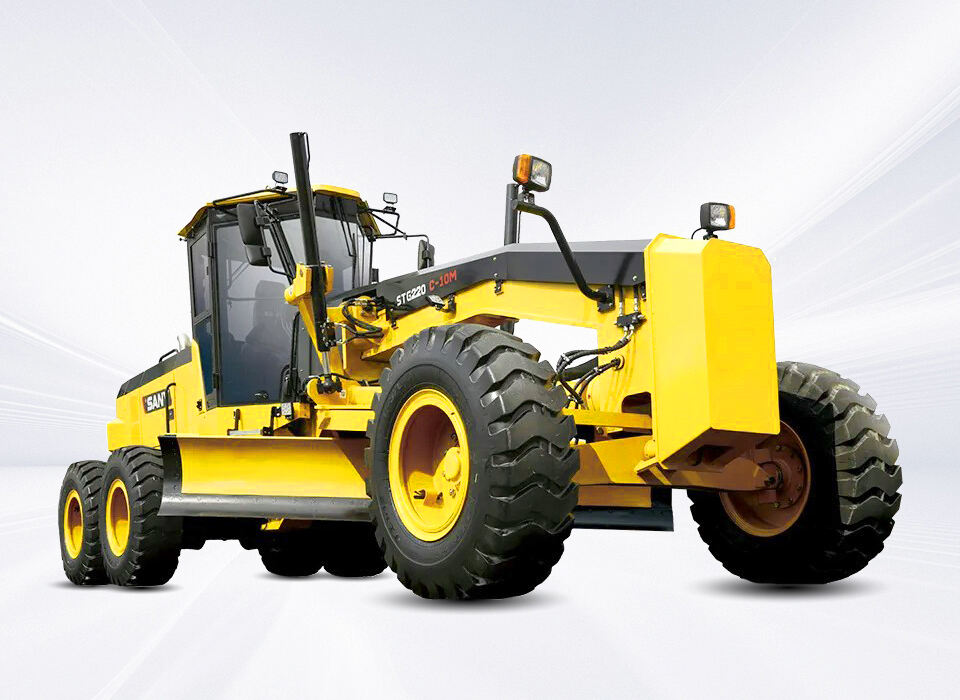
Selecting the right motor grader for road construction is one of the most consequential procurement decisions a civil engineering contractor or infrastructure developer can make. The wrong choice leads to substandard road surfaces, costly rework, delayed project timelines, and excessive operational expenditure. Given the scale of investment involved and the long service life expected from this class of heavy equipment, it is essential to approach the selection process with a structured, criteria-driven methodology rather than relying solely on price or brand familiarity.
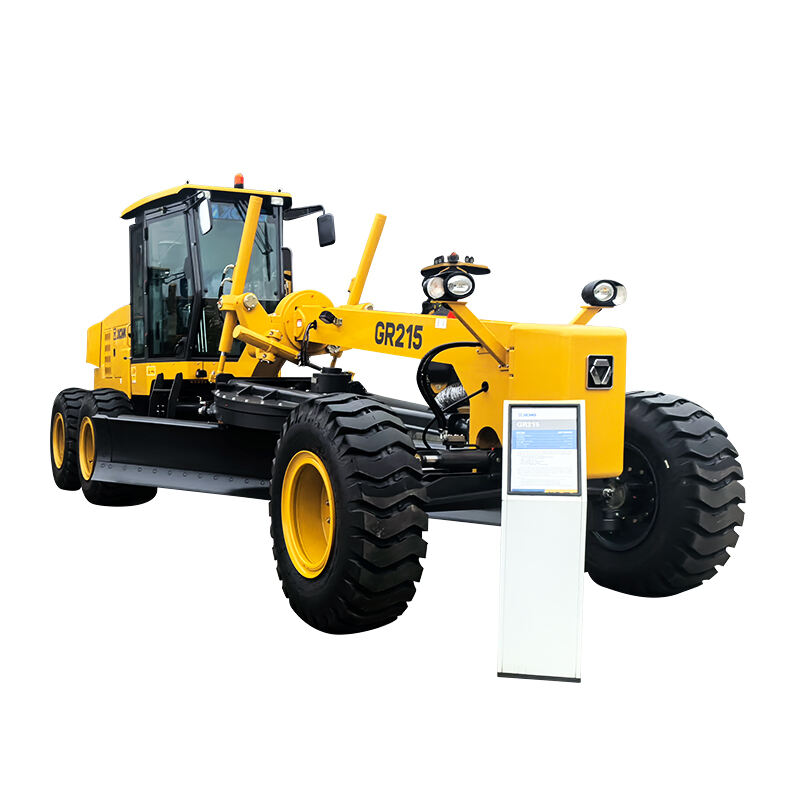
A motor grader is a complex, multi-function piece of equipment that performs grading, leveling, ditching, slope cutting, and fine finishing tasks across a wide variety of terrain and soil conditions. Each of these functions places unique demands on the machine's engine, drivetrain, blade system, and operator interface. Understanding which factors matter most — and how each one aligns with your specific project requirements — is the foundation of a sound purchasing or rental decision in road construction.
Engine Power and Drivetrain Configuration
Matching Horsepower to Job Site Demands
Engine horsepower is the most immediately visible specification when evaluating a motor grader, but it must be interpreted in the context of the work it will perform rather than treated as a standalone metric. A motor grader deployed on highway base preparation in rocky or heavily consolidated terrain will need significantly more power than one assigned to maintenance grading of existing gravel roads. Underpowering a machine for its intended application forces the operator to make multiple passes and reduces blade penetration, increasing both fuel costs and project duration.
For mid-to-large road construction projects, motor grader units in the 150 to 250 horsepower range are typically required. These machines can handle the continuous, high-resistance loads generated during subgrade preparation and aggregate spreading. Machines at the lower end of this range are better suited to secondary road work and maintenance applications, while higher-horsepower configurations are justified on major infrastructure projects where speed and single-pass accuracy are priorities.
Engine tier compliance is also a critical consideration, particularly for export markets and regions with strict environmental regulations. A Tier 3 or equivalent emission-standard engine ensures that the motor grader can be legally operated across a broader range of international project sites, which matters greatly for contractors who deploy equipment across multiple regions or territories.
All-Wheel Drive vs. Standard Drive Systems
The drivetrain configuration of a motor grader has a direct impact on traction, blade load capacity, and performance on soft or uneven ground. A standard rear-wheel drive motor grader performs adequately on stable, compacted surfaces, but its traction becomes a limiting factor when working on loose fill, wet clay, or sloped terrain. In these conditions, wheel slip reduces grading precision and increases tire wear significantly.
A six-wheel drive motor grader distributes tractive effort across all three axles, providing substantially better grip in difficult ground conditions. This configuration is particularly valuable for rural road construction, mining access roads, and any application where the subgrade is not yet stabilized. The added traction also allows the operator to work with a more aggressive blade angle without risk of machine instability, which directly improves productivity and surface quality.
When evaluating drivetrain options, contractors should assess the predominant ground conditions across their project portfolio rather than focusing only on current job site conditions. A motor grader used primarily on finished or semi-stabilized surfaces may not require all-wheel drive, but a machine intended for continuous subgrade work in varying climates and soil types will benefit enormously from the enhanced traction that a six-wheel drive system provides.
Blade System Specifications and Moldboard Design
Blade Length, Pitch, and Circle Diameter
The moldboard is the working heart of a motor grader, and its dimensions directly determine the machine's grading capacity and finish quality. Blade length typically ranges from 3.7 to 4.9 meters on construction-class motor grader models, with longer blades enabling wider passes and faster coverage of open terrain. However, a longer blade requires greater power to maintain consistent cut depth and angle, which is why blade length must always be evaluated alongside engine output.
Blade pitch — the forward-and-back angle of the moldboard — affects how material is rolled and cast during cutting. A motor grader with a wide pitch adjustment range gives operators more control over material flow, which is especially important when working with different soil types or when transitioning between cutting and spreading operations. Machines with limited pitch adjustment force operators to compromise between cut quality and material placement efficiency.
The circle diameter, which defines the rotational range of the blade assembly, determines how precisely the operator can angle and position the blade for complex tasks like ditch cutting, shoulder shaping, and cross-slope grading. A motor grader with a large-diameter circle provides more nuanced positioning control, reducing the number of repositioning maneuvers required on irregular terrain and improving overall cycle times.
Blade Material and Cutting Edge Durability
Cutting edge wear is a recurring operational cost that is often underestimated during the initial procurement evaluation of a motor grader. On abrasive surfaces such as crushed rock base layers, laterite subgrades, or recycled aggregate fills, cutting edges can wear down rapidly, requiring frequent replacement and causing grading quality to deteriorate between maintenance intervals. Selecting a motor grader equipped with high-hardness, wear-resistant cutting edges can substantially reduce replacement frequency and associated downtime.
The design of the cutting edge retention system also matters. Bolt-on cutting edges that allow field replacement without specialized tooling minimize the time a motor grader spends out of service during maintenance. In remote construction environments where workshop access is limited, this operational flexibility can be the difference between keeping a project on schedule and experiencing costly delays.
Some motor grader models also offer optional carbide-tipped or segmented cutting edges for highly abrasive applications. While these represent a higher upfront cost, the extended service life they provide can deliver a significantly better cost-per-meter-of-graded-surface outcome on long-duration projects with continuous operation in demanding material conditions.
Articulation, Frame Design, and Maneuverability
Articulated Frame Benefits in Road Construction
An articulated frame is a standard feature on virtually all modern construction-class motor grader designs, and for good reason. The ability to offset the front and rear frames relative to each other allows the machine to maintain a stable, balanced stance when the blade is pushed off-center for ditch work or slope cutting. Without frame articulation, side-loading the blade would create a strong lateral force on the machine's frame and tires, reducing both precision and component lifespan.
Frame articulation also improves the turning radius of a motor grader, which is a significant advantage in confined work zones, cul-de-sac grading, urban road widening projects, and any situation where the machine must maneuver in restricted space. A tighter turning radius reduces repositioning time and allows the operator to complete more work within a given shift without excessive maneuvering passes.
The frame articulation angle supported by a motor grader varies between models. Machines with a wider articulation range offer greater positional flexibility, particularly when the blade needs to be extended far to one side for deep ditch profiling or when working along steep embankments where stability requires careful weight distribution across the axles.
Leaning Front Wheels and Slope Performance
Front wheel lean is another design feature that meaningfully affects the handling characteristics of a motor grader on sloped or cambered surfaces. When the front wheels are leaned into the slope, the machine resists lateral drift more effectively, allowing the operator to maintain a consistent grading line without constant steering corrections. This feature is particularly valuable during cross-slope grading operations, where the entire machine must work at an angle to the horizontal plane.
A motor grader with a wide front wheel lean range gives operators greater adaptability across varied terrain profiles. This becomes especially important on rural road construction projects where natural topography creates unpredictable slope angles and where maintaining consistent crown and camber across the roadway surface is a primary quality requirement.
Operator Environment, Controls, and Visibility
Cab Ergonomics and Operator Fatigue Management
Operator productivity is inseparable from cab comfort on a machine like a motor grader, where skilled operators spend extended hours performing precision tasks in varying environmental conditions. A well-designed cab with adjustable seating, intuitive control layout, and effective climate control directly reduces operator fatigue, which in turn reduces grading errors, rework rates, and the risk of accidents caused by diminished attention.
The control interface of a modern motor grader has evolved considerably, with many current models offering electro-hydraulic joystick controls that replace the older mechanical lever systems. These systems reduce the physical effort required to operate multiple blade and circle functions simultaneously, allowing operators to maintain finer control for longer periods without the muscle fatigue that traditional lever systems impose. For contractors operating a motor grader on large-scale projects with extended daily shifts, this ergonomic advantage translates directly into consistent output quality throughout the workday.
Visibility from the cab is another factor that is sometimes overlooked during equipment evaluation. A motor grader operator needs clear sightlines to the blade cutting edge, the front wheels, the shoulder of the road, and any grade stakes or reference markers. Cab designs that obstruct these critical sightlines force operators to work with incomplete visual feedback, increasing the likelihood of grading errors and requiring more frequent stops for manual checking of surface grade.
Grade Control Technology Integration
Machine control and grade guidance systems have become an increasingly important consideration when selecting a motor grader for precision road construction work. These systems use GPS, laser, or sonic reference inputs to automatically maintain blade height and cross-slope angle relative to a pre-programmed design surface, reducing the operator's workload and dramatically improving grade accuracy on complex projects.
A motor grader that is designed from the factory to accept grade control system integration — with pre-wired hydraulic control valves, dedicated mounting points, and compatible electronic architecture — provides a much lower-cost path to technology adoption than one that requires extensive aftermarket modification. For contractors bidding on infrastructure projects with tight tolerance specifications, the ability to deploy a grade-control-ready motor grader is increasingly a competitive necessity rather than an optional upgrade.
Even without a full automatic grade control system, a motor grader equipped with digital slope indicators, cross-slope sensors, and blade position displays gives operators substantially better real-time feedback than older analog instruments. This instrumentation reduces the number of survey checks required during grading and helps operators catch grade deviations before they accumulate into costly rework situations.
Serviceability, Parts Availability, and Total Cost of Ownership
Maintenance Access and Planned Service Intervals
A motor grader operates in some of the harshest environments encountered by any heavy construction equipment category, including dusty aggregate bases, water-saturated subgrades, and extreme temperature ranges. Under these conditions, the ease and speed with which routine maintenance can be performed is a critical operational variable. Machines designed with grouped service points, ground-level access to filters and fluids, and clear visual inspection access reduce the time and labor required for daily and periodic maintenance significantly.
Planned maintenance intervals — the recommended service frequencies for engine oil, hydraulic fluid, air filters, and drivetrain components — vary between motor grader models and have a direct impact on total cost of ownership calculations. A motor grader with longer service intervals reduces downtime and consumable costs, but only if those intervals are backed by robust component quality. Evaluating manufacturer-specified service intervals alongside real-world field data from operators using the machine in comparable conditions provides a more reliable cost projection than specification sheets alone.
Parts Supply Chain and After-Sales Support
For a motor grader deployed on a time-critical infrastructure project, parts availability is not a secondary consideration — it is a primary risk factor. A breakdown that cannot be resolved quickly due to unavailable spare parts can halt an entire road construction operation, triggering liquidated damages clauses and damaging client relationships. Before committing to any motor grader acquisition, contractors should assess the depth and responsiveness of the supplier's parts network in the regions where the machine will be deployed.
After-sales technical support is equally important, particularly for the growing proportion of motor grader systems that incorporate electronic controls, CAN-bus diagnostics, and integrated machine monitoring. These systems require specialized diagnostic tools and trained technicians to troubleshoot effectively. Suppliers who provide comprehensive after-sales training, remote diagnostic support, and responsive field service representation reduce the technical risk associated with deploying technologically advanced motor grader equipment in regions with limited local service infrastructure.
Total cost of ownership analysis for a motor grader should encompass the full lifecycle of the machine, including acquisition cost, fuel consumption, tire wear, cutting edge replacement, scheduled maintenance, unscheduled repair, and residual value at end of service life. A machine that costs more upfront but delivers lower per-hour operating costs and higher residual value may represent substantially better value over a five-to-ten-year service life than a cheaper alternative with higher ongoing costs.
FAQ
What horsepower range is recommended for a motor grader used in highway base construction?
For highway base construction involving subgrade preparation, aggregate spreading, and precision finish grading, a motor grader in the 180 to 250 horsepower range is generally recommended. This power band provides adequate blade load capacity for continuous operation in consolidated or rocky soil without excessive fuel consumption on lighter tasks. The exact horsepower requirement depends on soil type, blade width, and the number of passes required to achieve specified grade tolerances.
Is six-wheel drive necessary for all road construction applications of a motor grader?
Six-wheel drive is not strictly necessary for all motor grader applications, but it provides significant performance advantages in soft ground, loose fill, wet conditions, and on steep slopes. For maintenance grading of established roads with stable, compacted surfaces, standard rear-wheel drive may be sufficient. However, for new road construction involving unstabilized subgrades or projects in regions with variable seasonal ground conditions, the traction benefits of a six-wheel drive motor grader typically justify the additional investment.
How does blade length affect the productivity of a motor grader on road projects?
A longer blade allows a motor grader to cover more width per pass, reducing the number of passes needed to grade a given road width and increasing overall productivity on open terrain. However, longer blades require more engine power to maintain consistent cut depth, and they can be more difficult to control precisely in confined or irregular work areas. Selecting blade length involves balancing coverage width against the available power, the complexity of the grading task, and the spatial constraints of the work environment.
What should contractors look for in after-sales support when purchasing a motor grader?
Contractors should evaluate the supplier's regional parts inventory depth, average parts delivery lead times, availability of trained field service technicians, access to diagnostic software for electronic systems, and the quality of operator and maintenance training programs. For projects in remote locations, the ability of the supplier to provide remote diagnostic support and expedited parts delivery becomes particularly important. A motor grader supplier who offers a clear service level commitment backed by a regional support infrastructure reduces the operational risk associated with equipment downtime on critical-path construction activities.
Table of Contents
- Engine Power and Drivetrain Configuration
- Blade System Specifications and Moldboard Design
- Articulation, Frame Design, and Maneuverability
- Operator Environment, Controls, and Visibility
- Serviceability, Parts Availability, and Total Cost of Ownership
-
FAQ
- What horsepower range is recommended for a motor grader used in highway base construction?
- Is six-wheel drive necessary for all road construction applications of a motor grader?
- How does blade length affect the productivity of a motor grader on road projects?
- What should contractors look for in after-sales support when purchasing a motor grader?