
 EN
EN
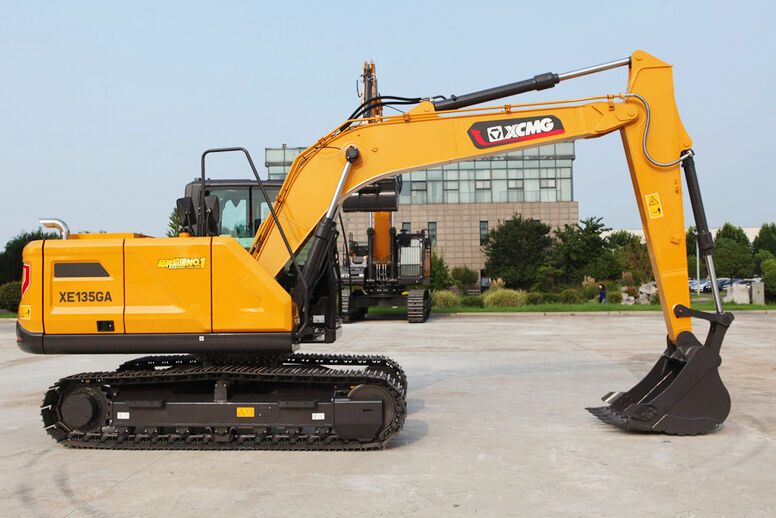
A proper daily maintenance routine for excavators forms the foundation of reliable equipment performance, cost-effective operations, and extended machine lifespan. Every excavator operator and site supervisor must understand that consistent daily inspections and basic maintenance tasks directly impact productivity, safety, and long-term operational expenses. Modern excavator maintenance protocols have evolved to become systematic, data-driven processes that prevent costly breakdowns while ensuring optimal performance across diverse construction, mining, and infrastructure projects.
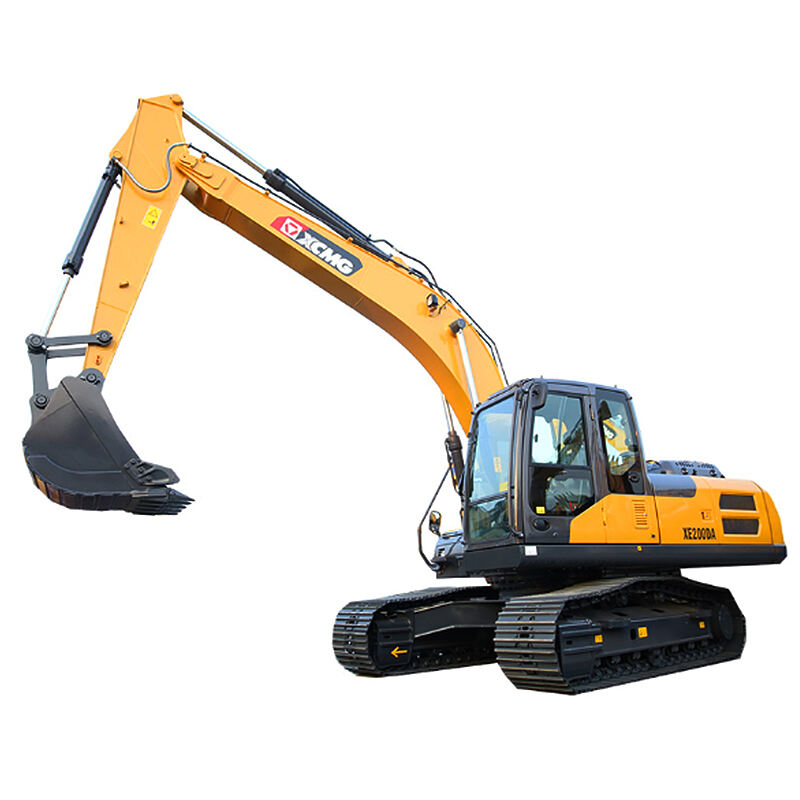
Understanding what constitutes an effective daily excavator maintenance routine requires examining both mandatory inspection protocols and proactive care strategies that experienced operators implement consistently. The complexity of hydraulic systems, engine components, track assemblies, and attachment mechanisms demands structured attention to specific maintenance checkpoints that directly correlate with operational reliability and safety compliance standards.
Essential Pre-Operation Inspection Protocol
Visual Equipment Assessment Procedures
The daily excavator maintenance routine begins with a comprehensive visual inspection that systematically examines the machine's external condition, structural integrity, and visible component status. Operators must walk around the entire excavator, checking for hydraulic fluid leaks, structural damage, loose bolts, cracked welds, and any signs of excessive wear on critical components. This visual assessment provides immediate insight into potential issues that could compromise safety or operational efficiency during the work shift.
Professional excavator operators understand that visual inspections extend beyond surface-level observations to include detailed examination of track chains, sprockets, idlers, and undercarriage components for proper alignment and wear patterns. The inspection protocol must also evaluate boom, arm, and bucket assemblies for hydraulic cylinder integrity, pin condition, and attachment security. These visual checks typically require fifteen to twenty minutes but prevent hours of costly downtime and potential safety incidents.
Fluid Level Verification and Analysis
Daily fluid level checks represent critical maintenance tasks that directly impact excavator performance, component longevity, and operational safety. The routine must include engine oil level verification using the dipstick method, ensuring oil levels fall within manufacturer-specified ranges while observing oil color and consistency for contamination indicators. Hydraulic fluid levels require similar attention, with operators checking reservoir levels and examining fluid clarity to identify potential system contamination or degradation.
Coolant system inspection involves verifying proper fluid levels in both the radiator and overflow reservoir, examining coolant color and clarity, and checking for signs of contamination or chemical breakdown. Fuel level monitoring ensures adequate supply for planned operations while providing opportunities to inspect fuel quality and identify potential contamination issues. These fluid-related maintenance tasks form the foundation of reliable excavator performance and prevent costly component failures.
Critical System Function Testing
Hydraulic System Performance Validation
Daily hydraulic system testing ensures that excavator primary functions operate within acceptable performance parameters and identifies developing issues before they cause operational failures. The testing protocol begins with engine startup procedures that allow hydraulic fluid to reach optimal operating temperature while monitoring system pressure indicators and listening for unusual noises that might indicate component wear or malfunction. Operators must systematically test boom lift and lower functions, arm curl and extend operations, and bucket curl and dump movements to verify smooth operation and adequate power delivery.
Advanced excavator maintenance routines include hydraulic response time evaluation, checking for delayed or sluggish movement responses that indicate potential pump wear, filter contamination, or fluid degradation issues. The daily testing must also verify swing function smoothness, track drive responsiveness, and auxiliary hydraulic circuit operation if equipped. These hydraulic system checks provide immediate feedback on excavator operational readiness and help operators identify maintenance requirements before they impact productivity.
Engine Performance and Monitoring System Review
Engine performance evaluation during daily maintenance routines involves systematic monitoring of key operating parameters that indicate overall machine health and efficiency. The process begins with cold start observation, noting engine cranking speed, startup smoothness, and initial operating characteristics that might suggest battery condition, fuel system performance, or internal engine wear. Operators must monitor engine idle stability, observe exhaust smoke color and density, and listen for unusual noises that could indicate developing mechanical issues.
Modern excavator engines incorporate sophisticated monitoring systems that provide real-time data on operating temperatures, pressures, and performance metrics. Daily maintenance routines must include review of diagnostic displays, error code checks, and parameter verification to ensure all systems operate within manufacturer specifications. This systematic approach to engine performance monitoring enables early identification of maintenance requirements and prevents catastrophic failures that result in extended downtime and expensive repairs.
Undercarriage and Track System Maintenance
Track Tension Adjustment and Inspection
Proper track tension maintenance represents one of the most critical aspects of daily excavator care, directly affecting machine stability, component longevity, and operational efficiency. The daily routine must include track tension measurement using manufacturer-specified procedures, typically involving measurement of track sag at the center point between the drive sprocket and front idler. Correct track tension ensures optimal power transmission, reduces excessive wear on drive components, and maintains proper machine tracking alignment during operation.
Track inspection protocols extend beyond tension adjustment to include detailed examination of track pad condition, checking for cuts, tears, missing bolts, or excessive wear that could compromise traction or cause track failure during operation. Operators must inspect track chain links for proper lubrication, excessive play, or signs of fatigue cracking that indicate replacement requirements. The undercarriage inspection includes examination of drive sprockets, idlers, and roller condition to identify wear patterns or damage that affects track system performance.
Undercarriage Component Lubrication Protocol
Daily lubrication of undercarriage components ensures proper bearing function, reduces friction-related wear, and extends component service life across all excavator operating conditions. The lubrication routine must address track chain pins, bushings, and pivot points using manufacturer-recommended lubricants applied according to specified intervals and quantities. Proper lubrication technique involves cleaning grease fittings before lubricant application, ensuring complete penetration of bearing surfaces, and verifying excess grease purging that indicates adequate lubrication coverage.
Excavator undercarriage lubrication extends to roller assemblies, idler wheels, and drive sprocket bearings that require regular attention to maintain smooth operation and prevent premature failure. The daily maintenance schedule must also include inspection and lubrication of swing bearing assemblies, boom, arm, and bucket pivot points that experience high loads and frequent movement cycles. Systematic lubrication practices significantly reduce maintenance costs while ensuring reliable excavator performance across diverse operating environments.
Safety System Verification and Documentation
Operator Safety Feature Testing
Daily safety system verification ensures that all excavator protective features function correctly and provide required operator protection during normal and emergency operating conditions. The testing protocol must include seat belt inspection and function testing, operator presence system verification, and emergency shutdown procedure validation to ensure immediate machine shutdown capability when required. Operators must test all warning lights, audible alarms, and indicator systems to verify proper function and immediate operator notification of developing issues.
Excavator safety system testing extends to hydraulic lockout mechanisms, travel alarm systems, and any additional safety features specific to particular machine configurations or operating environments. The daily routine must verify proper function of backup alarms, rotating beacon lights, and communication systems that enhance jobsite safety and regulatory compliance. These safety-focused maintenance activities demonstrate commitment to operator protection while ensuring compliance with applicable safety regulations and industry standards.
Maintenance Record Documentation Requirements
Comprehensive documentation of daily excavator maintenance activities provides essential records for warranty compliance, resale value maintenance, and operational history tracking that supports informed maintenance decisions. The documentation process must include systematic recording of all inspection findings, fluid level measurements, system test results, and any maintenance actions performed during the daily routine. Professional operators maintain detailed logs that track component condition changes, identify recurring issues, and support predictive maintenance planning.
Effective maintenance documentation includes photographic records of significant findings, component condition tracking, and systematic notation of operating hour intervals for scheduled maintenance activities. Digital documentation systems enable efficient record keeping while providing accessible historical data that supports warranty claims, insurance requirements, and equipment value assessment. Consistent documentation practices enhance overall excavator management effectiveness and demonstrate professional maintenance standards to regulatory authorities and insurance providers.
FAQ
How long should a daily excavator maintenance routine take?
A comprehensive daily excavator maintenance routine typically requires 30 to 45 minutes to complete properly, depending on machine size and complexity. This time investment includes pre-operation inspection, fluid level checks, system function testing, and basic lubrication tasks. Experienced operators can efficiently complete routine tasks while maintaining thoroughness, but rushing through maintenance procedures compromises effectiveness and safety.
What are the most common maintenance issues found during daily inspections?
The most frequently identified maintenance issues during daily excavator inspections include hydraulic fluid leaks, track tension problems, engine oil consumption, coolant level drops, and undercarriage component wear. Other common findings include loose bolts, damaged hydraulic hoses, worn cutting edges, and contaminated air filters. Early identification of these issues through systematic daily inspections prevents major component failures and reduces overall maintenance costs.
Can operators perform all daily maintenance tasks, or do some require certified technicians?
Properly trained operators can perform most daily maintenance tasks including visual inspections, fluid level checks, basic lubrication, and system function testing. However, certain activities such as hydraulic system pressure testing, complex diagnostic procedures, and major component adjustments require certified technician expertise. Operators should understand their limitations and involve qualified technicians when maintenance requirements exceed their training and authorization levels.
How does daily maintenance routine change in different operating environments?
Daily excavator maintenance routines must be adapted to specific operating environments, with dusty conditions requiring more frequent air filter attention, marine environments demanding enhanced corrosion inspection, and cold climates necessitating additional fluid warming procedures. High-production operations may require multiple daily inspections, while demolition work demands increased structural integrity checks. Environmental factors significantly influence maintenance frequency and focus areas to ensure reliable excavator performance.
Table of Contents
- Essential Pre-Operation Inspection Protocol
- Critical System Function Testing
- Undercarriage and Track System Maintenance
- Safety System Verification and Documentation
-
FAQ
- How long should a daily excavator maintenance routine take?
- What are the most common maintenance issues found during daily inspections?
- Can operators perform all daily maintenance tasks, or do some require certified technicians?
- How does daily maintenance routine change in different operating environments?