
 EN
EN
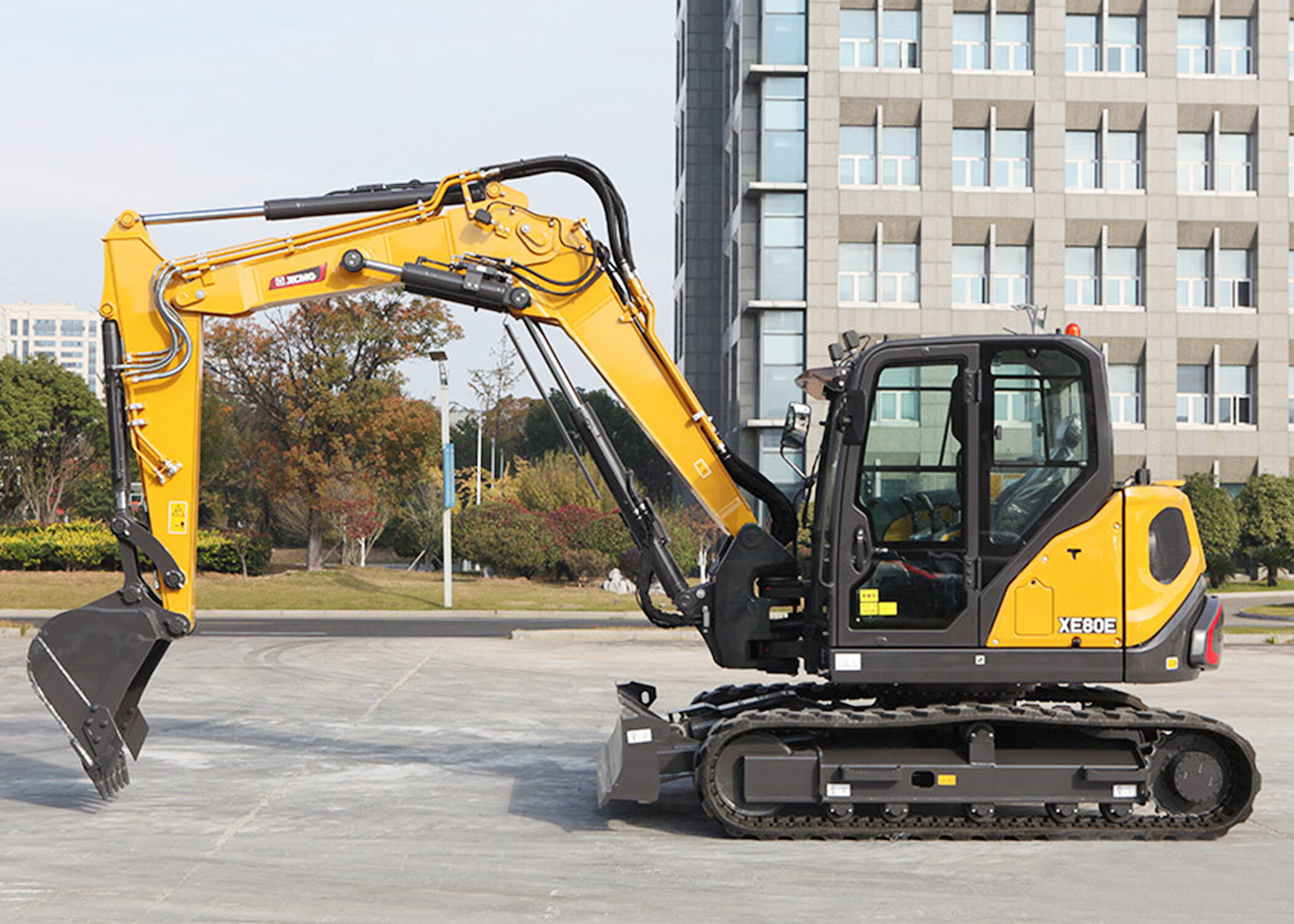
The remarkable precision of surface leveling achieved by modern motor graders stems from a sophisticated integration of mechanical engineering, hydraulic control systems, and advanced operator interfaces that work in perfect harmony. Understanding how a motor grader accomplishes such exacting results requires examining the intricate relationship between its blade positioning mechanisms, hydraulic feedback systems, and the operator's ability to make real-time adjustments based on visual and tactile feedback from the machine's response to varying ground conditions.
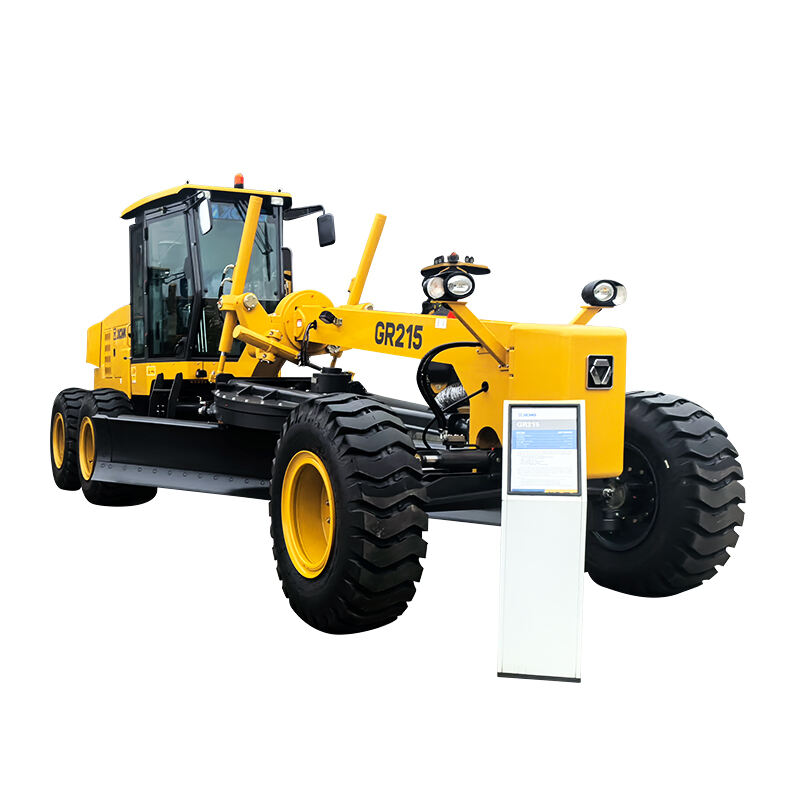
The precision capabilities of a motor grader extend far beyond simple blade movement, encompassing a complex system of hydraulic cylinders, articulated joints, and sensor feedback mechanisms that enable operators to achieve surface tolerances measured in fractions of inches across hundreds of feet of roadway or construction site preparation. This level of accuracy transforms rough terrain into perfectly graded surfaces suitable for everything from highway construction to airport runway preparation, demonstrating why the motor grader remains an indispensable piece of heavy construction equipment.
Hydraulic Control Systems Enable Millimeter-Level Precision
Multi-Cylinder Blade Positioning Architecture
The foundation of a motor grader's precision lies in its sophisticated hydraulic control system that operates multiple independent cylinders controlling blade position, angle, and pressure. Each cylinder receives precisely metered hydraulic fluid through electronically controlled valves that respond to operator input with remarkable sensitivity, allowing for incremental adjustments that can be measured in millimeters rather than inches.
Modern motor grader hydraulic systems incorporate proportional control valves that translate subtle joystick movements into correspondingly precise hydraulic cylinder extensions or retractions. This proportional response ensures that when an operator makes a minor adjustment to correct surface elevation, the motor grader responds with exactly the amount of blade movement intended, preventing overcorrection and maintaining consistent grading patterns.
The hydraulic system's ability to maintain constant pressure regardless of load variations enables the motor grader to maintain blade position even when encountering varying soil densities or obstacles. This pressure compensation prevents the blade from deflecting under load, ensuring that the established grade remains consistent throughout the entire grading pass.
Closed-Loop Hydraulic Feedback Mechanisms
Advanced motor grader models incorporate closed-loop hydraulic systems that continuously monitor actual blade position against commanded position, automatically making micro-adjustments to maintain precise blade geometry. These systems utilize position sensors on each hydraulic cylinder that provide real-time feedback to the machine's control module, creating a self-correcting system that maintains accuracy even under varying operating conditions.
The feedback system operates at frequencies measured in milliseconds, constantly comparing desired blade position with actual position and making corrections faster than human operators could detect. This rapid response capability allows the motor grader to maintain precise surface profiles even when traversing irregular terrain or encountering unexpected subsurface conditions that might otherwise cause blade deflection.
Load-sensing hydraulic systems further enhance precision by automatically adjusting system pressure based on the resistance encountered by the blade. When the motor grader encounters harder or softer soil conditions, the hydraulic system automatically compensates by increasing or decreasing pressure to maintain consistent cutting depth and blade penetration, ensuring uniform surface preparation across varying ground conditions.
Blade Geometry and Mechanical Engineering Excellence
Articulated Frame Design Enhances Maneuverability
The articulated frame design of a motor grader contributes significantly to its precision capabilities by allowing the front and rear sections of the machine to flex independently while maintaining optimal blade positioning. This articulation enables the motor grader to navigate curves and irregular terrain while keeping the blade in constant contact with the ground surface, preventing the gaps or inconsistencies that might occur with rigid-frame machines.
The articulation joint incorporates precision bearings and bushings that maintain tight tolerances even under heavy loading conditions, ensuring that the relationship between the front wheels, blade assembly, and rear drive wheels remains geometrically consistent. This mechanical precision translates directly into surface accuracy, as any play or looseness in the articulation system would manifest as irregularities in the finished grade.
Advanced motor grader designs incorporate hydraulically controlled articulation that allows operators to preset specific articulation angles for different grading operations. This controllable articulation enables the machine to maintain optimal blade geometry for various applications, from straight-line highway grading to tight-radius curve preparation, while preserving the precision required for each specific application.
Blade Mounting and Positioning Versatility
The blade mounting system of a motor grader utilizes a complex arrangement of pivot points, hydraulic cylinders, and mechanical linkages that provide six degrees of freedom for blade positioning. This versatility allows operators to adjust blade angle, tilt, offset, and rotation to achieve the exact cutting geometry required for specific grading applications, enabling precision that adapts to both the material being moved and the desired final surface characteristics.
Each blade adjustment mechanism operates independently, allowing operators to fine-tune blade position without affecting other settings. This independence prevents the compromise situations that might occur if adjustments were linked, enabling the motor grader to maintain optimal cutting geometry regardless of the complexity of the required blade positioning.
The blade mounting system incorporates heavy-duty bearings and bushings at all pivot points, ensuring that blade position remains stable under the significant forces encountered during grading operations. These precision components prevent blade deflection or movement that could compromise surface accuracy, maintaining the exact blade geometry established by the operator throughout the entire grading process.
Advanced Control Systems and Operator Interface Technology
Grade Control and Laser Guidance Integration
Modern motor grader precision capabilities are enhanced through integration with sophisticated grade control systems that utilize laser transmitters, GPS positioning, and sonic sensors to provide continuous feedback about blade position relative to desired grade elevations. These systems enable the motor grader to achieve accuracy levels that would be impossible through manual operation alone, automatically maintaining precise surface elevations across entire project sites.
Laser-guided systems project reference planes that the motor grader's sensors continuously track, automatically adjusting blade height to maintain the exact elevation specified by project plans. This technology eliminates the cumulative errors that might occur with manual grading techniques, ensuring that surface elevations remain within specification tolerances regardless of the length or complexity of the grading operation.
GPS-based grade control systems provide three-dimensional positioning accuracy that enables the motor grader to follow complex surface profiles with precision measured in centimeters. These systems store digital representations of desired surface geometries and continuously guide blade positioning to achieve the specified results, enabling the machine to create precisely contoured surfaces that would be extremely difficult to achieve through conventional surveying and manual control methods.
Operator Feedback and Control Responsiveness
The precision of a motor grader depends heavily on the quality of feedback provided to the operator and the responsiveness of the control systems to operator input. Modern machines incorporate high-resolution display systems that provide real-time information about blade position, cutting depth, surface slope, and system operating parameters, enabling operators to make informed adjustments based on comprehensive machine status information.
Ergonomically designed control systems utilize joysticks and electronic interfaces that provide tactile feedback proportional to the forces being encountered by the blade. This feedback enables experienced operators to sense changes in soil conditions or surface irregularities through the control system, facilitating the subtle adjustments necessary to maintain precision across varying ground conditions.
Advanced motor grader control systems incorporate programmable settings that allow operators to store preferred control responses for different applications, ensuring consistent machine behavior across multiple operators and various grading tasks. This programmability maintains precision standards regardless of individual operator preferences or experience levels, contributing to consistent surface quality across entire construction projects.
Ground Engagement and Surface Finishing Capabilities
Tire Configuration and Ground Pressure Distribution
The tire configuration of a motor grader plays a crucial role in achieving precise surface leveling by providing stable support that minimizes machine-induced surface disturbance while maintaining optimal traction for consistent forward progress. The six-wheel configuration typical of most motor graders distributes machine weight evenly, preventing the rutting or compaction that could compromise surface accuracy during the grading process.
Front wheel positioning ahead of the blade assembly enables the motor grader to traverse prepared surfaces without disturbing the freshly graded material, while the tandem rear wheels provide the traction necessary for consistent blade loading and forward progress. This wheel arrangement ensures that the machine can maintain precise blade control while minimizing its impact on the surfaces being prepared.
Advanced motor grader models incorporate adjustable tire pressure systems that optimize ground contact pressure for different soil conditions and applications. By adjusting tire pressure to match surface conditions, operators can minimize surface disturbance while maintaining the traction necessary for precise blade control, contributing to overall surface quality and accuracy.
Blade Design and Material Interaction
The blade design of a motor grader incorporates specific geometric features that optimize material flow and cutting efficiency while minimizing surface disturbance beyond the intended grading zone. The blade's curved profile and cutting edge geometry are engineered to move material in controlled patterns that contribute to surface smoothness and prevent the ridging or washboarding that can occur with less sophisticated grading equipment.
Replaceable cutting edges and wear components maintain blade geometry throughout extended use periods, ensuring that the motor grader continues to deliver precise results as components experience normal wear. The availability of different cutting edge profiles allows operators to optimize blade performance for specific soil types and applications, maintaining precision across diverse project requirements.
Side plates and blade extensions provide additional control over material flow patterns, enabling operators to contain and direct moved material in ways that support precise surface preparation. These accessories prevent material spillage that could create irregularities in the finished surface, contributing to the overall precision and quality of the grading operation.
FAQ
What makes a motor grader more precise than other earthmoving equipment?
A motor grader achieves superior precision through its specialized design featuring a centrally mounted blade with six degrees of adjustment freedom, sophisticated hydraulic control systems that provide millimeter-level positioning accuracy, and articulated frame geometry that maintains optimal blade contact with ground surfaces. Unlike bulldozers or scrapers that primarily move large volumes of material, the motor grader is specifically engineered for fine surface preparation and precise grade establishment.
How do hydraulic systems contribute to motor grader precision?
Hydraulic systems in a motor grader utilize proportional control valves and closed-loop feedback mechanisms that translate subtle operator inputs into precise blade movements. Multiple independent hydraulic cylinders control different aspects of blade positioning, while pressure compensation systems maintain consistent blade geometry even under varying load conditions. Advanced models incorporate automated systems that make continuous micro-adjustments to maintain specified grades without requiring constant operator intervention.
Can motor graders maintain precision across different soil types?
Modern motor graders maintain precision across varying soil conditions through load-sensing hydraulic systems that automatically adjust pressure and blade position based on material resistance. Different cutting edge profiles and blade configurations optimize performance for specific soil types, while advanced grade control systems using laser or GPS guidance maintain accuracy regardless of ground conditions. Operators can also adjust tire pressure and blade geometry to optimize performance for specific material characteristics.
What role does operator skill play in motor grader precision?
While modern motor graders incorporate automated systems that enhance precision capabilities, operator skill remains crucial for interpreting feedback from the machine and ground conditions to make appropriate adjustments. Experienced operators understand how to optimize blade positioning for different materials and applications, utilize the full range of machine capabilities, and integrate automated systems with manual control techniques to achieve optimal results. Training and experience enable operators to recognize and respond to conditions that require manual override of automated systems.