
 EN
EN
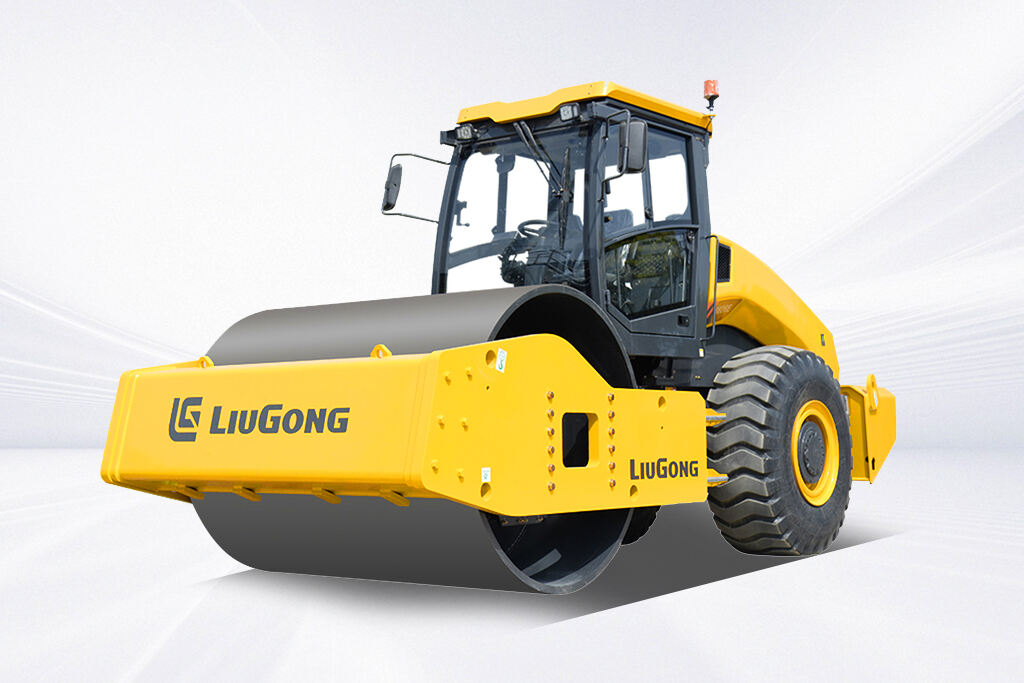
Pre-operation inspections on a road roller are critical safety and performance procedures that determine whether your compaction equipment is ready for safe and effective operation. These systematic checks help identify potential mechanical issues, safety hazards, and operational deficiencies before they can cause equipment failure, project delays, or workplace accidents. Understanding what specific inspections to conduct ensures your road roller operates at peak efficiency while maintaining compliance with industry safety standards.
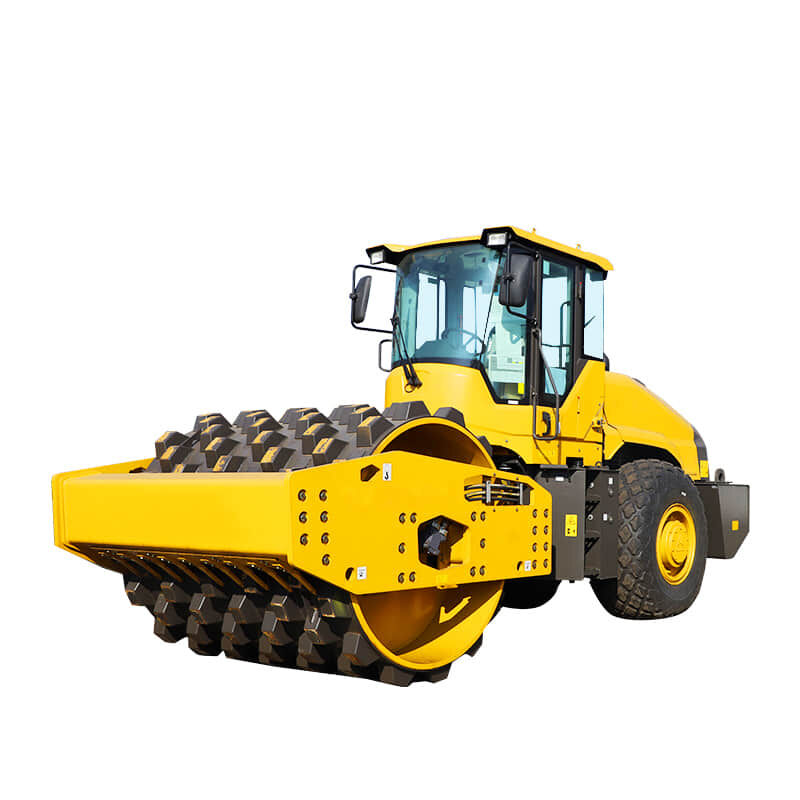
A comprehensive pre-operation inspection routine for your road roller involves examining multiple critical systems including the engine, hydraulics, compaction mechanisms, safety features, and structural components. Each inspection point serves a specific purpose in preventing equipment malfunctions and ensuring optimal compaction performance. The thoroughness of these checks directly impacts both the longevity of your road roller and the quality of your compaction work on construction sites.
Engine and Powertrain Inspection Requirements
Engine Fluid Levels and Quality Assessment
Begin your road roller inspection by checking all engine fluid levels including engine oil, coolant, hydraulic fluid, and fuel levels. The engine oil should be checked with the machine level and the engine off for at least five minutes to ensure accurate readings. Look for proper oil level between minimum and maximum marks on the dipstick, and examine oil color and consistency for signs of contamination or degradation that could indicate internal engine problems.
Coolant levels in your road roller should be checked at the expansion tank when the engine is cool, ensuring the fluid level meets manufacturer specifications. Inspect the coolant for proper color and clarity, as discolored or contaminated coolant can indicate cooling system issues. Check hydraulic fluid levels at the reservoir, ensuring adequate fluid for all hydraulic functions including steering, drum vibration, and propulsion systems.
Air Filter and Intake System Examination
Inspect the air filter element in your road roller for dust accumulation, damage, or clogging that could restrict airflow to the engine. A clean air filter ensures optimal engine performance and fuel efficiency during compaction operations. Remove the air filter housing cover and visually examine the filter element, replacing it if heavily contaminated or damaged. Check the intake system for loose connections, damaged hoses, or debris that could affect engine operation.
Examine the pre-cleaner system if equipped on your road roller, ensuring proper operation of dust ejection valves and cyclone chambers. These systems are particularly important in dusty construction environments where air filtration directly impacts engine longevity. Clean or replace pre-cleaner components according to manufacturer recommendations and operating conditions.
Hydraulic and Compaction System Checks
Hydraulic System Pressure and Leak Inspection
Conduct a thorough inspection of all hydraulic lines, fittings, and connections on your road roller for signs of leakage, wear, or damage. Hydraulic fluid leaks not only reduce system efficiency but can create safety hazards and environmental concerns on job sites. Check hydraulic hoses for proper routing, adequate support, and freedom from contact with sharp edges or hot surfaces that could cause premature failure.
Test hydraulic system pressure by operating all functions including drum vibration, travel motors, and steering systems. Listen for unusual noises, observe response times, and check for smooth operation across the full range of motion. Any irregularities in hydraulic performance on your road roller should be investigated and corrected before operation begins.
Drum and Vibration System Verification
Inspect the compaction drum on your road roller for damage, excessive wear, or foreign material buildup that could affect compaction quality. Check for proper drum alignment, secure mounting, and freedom of rotation. Examine the drum surface for gouges, flat spots, or material adhesion that could leave marks on the compacted surface or reduce compaction effectiveness.
Test the vibration system by engaging vibration at various frequency and amplitude settings if equipped. The road roller should produce consistent vibration patterns without excessive noise, irregular operation, or mechanical binding. Check vibration mounting points for secure attachment and proper isolation to prevent excessive vibration transmission to the operator platform.
Safety and Control System Validation
Operator Platform and Safety Equipment
Examine the operator platform on your road roller for structural integrity, secure mounting, and proper condition of all safety equipment including seat belts, rollover protective structures, and operator presence systems. Check that the operator seat adjusts properly and provides adequate comfort and visibility for safe operation. Inspect handholds, steps, and platform surfaces for adequate grip and freedom from damage or excessive wear.
Test all safety systems including backup alarms, warning lights, and emergency stop functions to ensure proper operation. The road roller should be equipped with functioning warning devices that alert nearby personnel to machine operation and movement. Verify that all safety decals and warning labels are visible, legible, and properly positioned according to manufacturer specifications.
Control System and Instrumentation Testing
Verify proper operation of all controls including steering, propulsion, vibration activation, and auxiliary functions on your road roller. Controls should respond smoothly without excessive play, binding, or irregular operation. Check that all control patterns match operator expectations and manufacturer specifications to prevent operational errors during compaction work.
Test all gauges and instrumentation to ensure accurate readings for engine temperature, hydraulic pressure, fuel level, and other critical operating parameters. Warning lights and alarms should activate during system startup tests and respond appropriately to simulated fault conditions. Replace any malfunctioning instruments before operating your road roller on construction sites.
Structural and Mechanical Component Assessment
Frame and Structural Integrity Examination
Inspect the main frame and structural components of your road roller for cracks, excessive wear, or damage that could compromise machine integrity. Pay particular attention to high-stress areas including articulation points, mounting brackets, and connection joints. Look for signs of fatigue, corrosion, or impact damage that could lead to structural failure during operation.
Check all fasteners including bolts, pins, and connection hardware for proper torque and secure attachment. Loose fasteners on a road roller can lead to component failure, reduced performance, or safety hazards. Use proper torque specifications when tightening fasteners and replace any damaged or worn hardware before operation.
Tire and Wheel Assembly Inspection
Examine tires on wheeled road roller configurations for proper inflation pressure, tread wear patterns, and sidewall damage. Incorrect tire pressure affects machine stability, fuel efficiency, and tire longevity. Check for cuts, punctures, or embedded objects that could lead to tire failure during operation. Inspect wheel assemblies for proper mounting, hub condition, and bearing adjustment.
For tracked road roller variants, inspect track chains for proper tension, wear patterns, and component condition. Check track guides, drive sprockets, and idler wheels for excessive wear or damage. Proper track maintenance ensures optimal traction, reduces component wear, and maintains machine stability during compaction operations.
FAQ
How often should pre-operation inspections be conducted on a road roller?
Pre-operation inspections should be conducted daily before starting work and after any extended shutdown period. Additionally, perform more detailed inspections weekly or after every 40-50 operating hours, depending on operating conditions and manufacturer recommendations. Harsh operating environments may require more frequent inspection intervals.
What should you do if you discover issues during the road roller inspection?
Any safety-related issues or major mechanical problems should prevent operation until repairs are completed. Minor issues that don't affect safety or performance can often be noted for repair during scheduled maintenance. Always consult manufacturer guidelines and qualified technicians for proper assessment and repair procedures.
Can operators perform all pre-operation inspections themselves?
Trained operators can perform most visual and basic functional checks during pre-operation inspections. However, some technical assessments such as hydraulic pressure testing or detailed mechanical examinations may require qualified maintenance personnel. Operators should receive proper training on inspection procedures and know when to involve maintenance professionals.
How long should a complete pre-operation inspection take?
A thorough pre-operation inspection typically takes 15-30 minutes depending on the size and complexity of the road roller. This time investment is essential for preventing costly breakdowns, ensuring operator safety, and maintaining optimal compaction performance throughout the work shift.