
 EN
EN

A road roller represents one of the most essential pieces of construction equipment in modern infrastructure development, serving the critical function of compacting various materials to create stable, durable surfaces. Understanding the different types of road roller equipment available and their specific applications enables construction professionals to select the most appropriate machinery for their project requirements, ultimately ensuring optimal compaction results and long-lasting infrastructure.
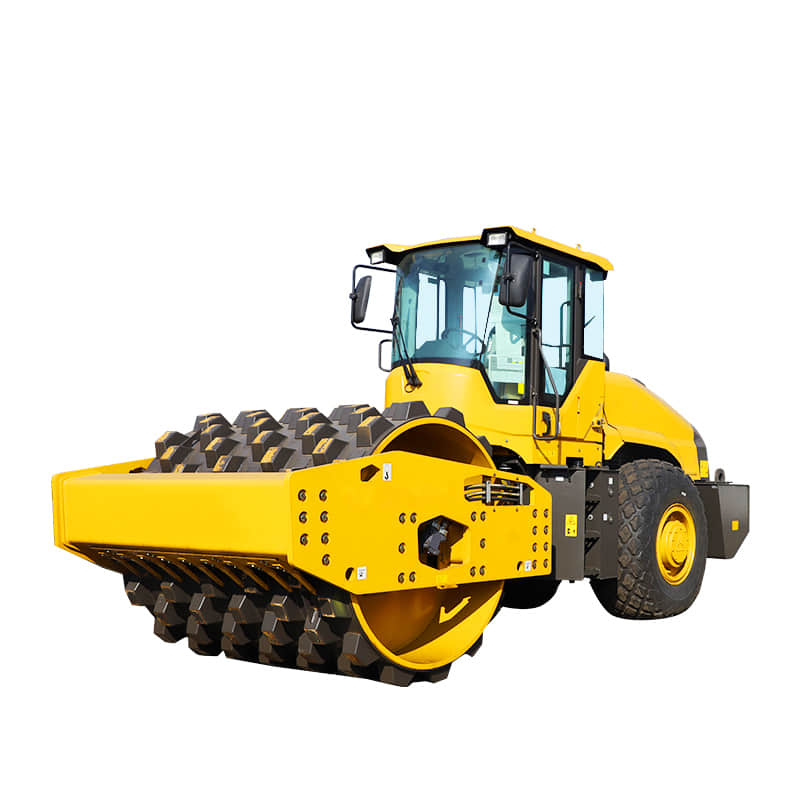
The classification of road roller types stems from their distinct design characteristics, compaction mechanisms, and intended surface materials. Each road roller category offers unique advantages suited to specific construction scenarios, from highway construction and airport runway development to parking lot preparation and residential street projects. By examining the fundamental differences between these compaction machines, construction teams can make informed decisions that directly impact project efficiency, material performance, and overall construction quality.
Single Drum Road Rollers and Their Primary Uses
Vibratory Single Drum Road Roller Characteristics
The vibratory single drum road roller stands as one of the most versatile compaction machines in construction applications. This road roller type features a large steel drum at the front that generates both static weight and vibratory force to achieve superior compaction results. The vibratory mechanism creates high-frequency oscillations that penetrate deep into materials, making it exceptionally effective for compacting granular soils, crushed stone, and asphalt base layers.
Modern vibratory single drum road roller models incorporate advanced control systems that allow operators to adjust vibration frequency and amplitude based on material characteristics. This adaptability makes the vibratory road roller particularly valuable in projects requiring different compaction intensities across various soil types. The rear wheels provide steering capability and distribute additional weight, creating a balanced approach to surface preparation.
Construction teams frequently deploy this road roller type for highway subgrade preparation, where achieving uniform density throughout the soil profile is essential for long-term pavement performance. The combination of static pressure and dynamic vibratory action enables thorough compaction even in challenging soil conditions, including clayey materials that might resist conventional compaction methods.
Static Single Drum Road Roller Applications
Static single drum road roller equipment relies solely on the weight of the machine and drum to achieve compaction, making it ideal for specific construction applications where vibratory action might be counterproductive. This road roller type excels in finishing operations on asphalt surfaces, where excessive vibration could damage the material structure or create surface irregularities.
The smooth steel drum of a static road roller produces excellent surface finishing results on hot asphalt, creating the uniform texture required for proper roadway performance. Construction crews often use this equipment for final rolling passes on asphalt pavements, particularly in urban areas where noise reduction is important and vibration could affect nearby structures.
Static road roller models also prove valuable for compacting cohesive soils where vibratory action might cause material disturbance rather than consolidation. The consistent, even pressure applied by the static drum creates reliable compaction results in materials such as clay-rich soils and certain recycled construction materials.
Double Drum Road Roller Configurations
Tandem Vibratory Road Roller Features
The tandem vibratory road roller represents the most common configuration for asphalt compaction operations, featuring two steel drums that can operate independently or in synchronized vibration modes. This road roller design maximizes contact area with the surface while providing exceptional maneuverability in confined construction spaces.
Each drum on a tandem road roller can be controlled separately, allowing operators to apply different compaction forces to the front and rear drums based on material conditions and compaction requirements. This flexibility makes the tandem road roller particularly effective for asphalt paving operations, where initial breakdown rolling and final finishing may require different approaches.
The compact design of tandem road roller equipment enables operation in residential areas, parking lots, and other confined spaces where larger single drum units cannot maneuver effectively. Despite their smaller size, these machines deliver impressive compaction performance through efficient weight distribution and optimized vibratory systems.
Combination Road Roller Capabilities
Combination road roller machines feature one steel drum and one pneumatic tire assembly, creating a unique compaction profile that combines the benefits of both contact types. The steel drum provides initial compaction force and surface smoothing, while the pneumatic tires deliver kneading action that improves material consolidation.
This road roller configuration proves particularly effective for asphalt compaction operations where achieving both density and surface texture is important. The pneumatic tires create a sealing effect on asphalt surfaces while the steel drum ensures proper material consolidation throughout the pavement depth.
Construction teams utilize combination road roller equipment for highway construction projects where pavement quality requirements are stringent. The dual-action compaction system produces superior results in achieving target density levels while maintaining proper surface characteristics for long-term performance.
Pneumatic Tire Road Roller Applications
Multi-Wheel Pneumatic Road Roller Design
Pneumatic tire road roller machines utilize multiple rubber tires arranged in overlapping patterns to create uniform compaction coverage across the full width of the equipment. This road roller type applies compaction force through tire contact pressure, creating a kneading action that proves particularly effective for asphalt materials.
The tire arrangement on a pneumatic road roller typically features front and rear axles with overlapping wheel positions, ensuring complete surface coverage without leaving uncompacted strips. Modern pneumatic road roller designs incorporate variable ballasting systems that allow operators to adjust machine weight based on specific compaction requirements.
Tire pressure adjustment capabilities on pneumatic road roller equipment enable fine-tuning of compaction characteristics for different materials and project specifications. Higher tire pressures concentrate compaction force for dense materials, while lower pressures distribute force more evenly for sensitive applications.
Asphalt Compaction with Pneumatic Road Rollers
The unique compaction mechanism of pneumatic road roller equipment makes it exceptionally well-suited for asphalt paving operations, particularly during intermediate rolling phases where achieving proper material consolidation is critical. The rubber tires create a sealing effect on asphalt surfaces while applying consistent pressure throughout the contact area.
Pneumatic road roller machines excel in compacting asphalt mixtures containing larger aggregate sizes, where the flexible tire contact conforms to surface irregularities and ensures complete material consolidation. The kneading action produced by multiple tires helps orient aggregate particles and eliminate air voids that could compromise pavement performance.
Temperature considerations play a crucial role in pneumatic road roller operations, as the rubber tires can pick up hot asphalt material if surface temperatures are excessive. Professional operators monitor asphalt temperature carefully and may use tire release agents to prevent material adhesion during compaction operations.
Specialized Road Roller Types and Uses
Articulated Road Roller Advantages
Articulated road roller machines feature a hinged frame design that provides superior maneuverability compared to rigid frame units, making them ideal for projects with complex geometric requirements or confined working spaces. The articulation joint allows the road roller to navigate curves and obstacles while maintaining optimal drum contact with the surface.
This road roller configuration proves particularly valuable in urban construction projects where navigating around existing infrastructure, utilities, and traffic management equipment requires exceptional machine agility. The articulated design enables tight turning radii that would be impossible with conventional rigid frame road roller equipment.
Modern articulated road roller models incorporate all-wheel drive systems and advanced traction control features that enhance performance on challenging terrain. The flexible frame design distributes machine weight more evenly across uneven surfaces, reducing the risk of over-compaction in low spots while ensuring adequate pressure on elevated areas.
Remote-Controlled Road Roller Technology
Remote-controlled road roller systems represent the latest advancement in compaction technology, enabling operators to control machine functions from a safe distance while maintaining precise control over compaction operations. These innovative road roller units prove particularly valuable in hazardous environments or confined spaces where operator safety is a primary concern.
The remote control capabilities typically include all standard road roller functions such as travel direction, speed control, vibration activation, and emergency stop systems. Advanced remote-controlled road roller models feature real-time feedback systems that provide operators with essential machine data including engine parameters, hydraulic pressures, and compaction monitoring information.
Construction applications for remote-controlled road roller equipment include trench compaction, slope stabilization, and compaction operations near active traffic areas where traditional operator presence might create safety hazards. The technology enables efficient compaction work in previously inaccessible or dangerous locations.
Material-Specific Road Roller Selection Guidelines
Soil Type Considerations for Road Roller Selection
Selecting the appropriate road roller type requires careful consideration of soil characteristics, as different soil types respond differently to various compaction mechanisms. Granular soils such as sand and gravel typically respond well to vibratory road roller equipment, where the dynamic action helps particles settle into a dense configuration.
Cohesive soils including clay and silt materials often require different road roller approaches, as excessive vibration can cause structural disturbance rather than consolidation. Static road roller equipment or low-frequency vibratory units prove more effective for these soil types, applying steady pressure that gradually removes air voids and increases density.
Mixed soil conditions present unique challenges that may require multiple road roller types or machines with adjustable compaction parameters. Professional soil analysis helps determine optimal road roller selection and operating procedures for achieving specified density requirements across varying soil conditions.
Asphalt Mix Design and Road Roller Compatibility
Different asphalt mix designs require specific road roller approaches to achieve optimal compaction results while maintaining proper material characteristics. Dense-graded asphalt mixes typically work well with steel drum road roller equipment, where the smooth surface creates uniform compaction and proper texture development.
Open-graded asphalt mixtures require more specialized road roller techniques, as excessive compaction force can crush the aggregate structure and compromise permeability characteristics. Lighter road roller units or reduced compaction intensity help preserve the intended material properties while achieving adequate stability.
Stone matrix asphalt and other specialty mixtures often benefit from pneumatic road roller applications, where the flexible tire contact helps maintain aggregate interlock while providing necessary compaction force. Understanding these material-specific requirements enables optimal road roller selection for each project phase.
FAQ
What is the main difference between vibratory and static road rollers?
The primary difference lies in their compaction mechanism. Vibratory road rollers use both static weight and high-frequency vibrations to achieve compaction, making them more effective for granular materials and deep compaction requirements. Static road rollers rely solely on machine weight and are preferred for asphalt finishing operations where vibration might damage surface quality or in noise-sensitive environments.
How do I determine which road roller size is appropriate for my project?
Road roller size selection depends on several factors including project area, material thickness, accessibility requirements, and production targets. Larger road roller units cover more area per pass and provide greater compaction force, making them suitable for highway projects and thick lift applications. Smaller road roller machines offer better maneuverability for residential areas, parking lots, and confined spaces while still delivering effective compaction results.
Can pneumatic road rollers be used on all types of construction materials?
Pneumatic road rollers work best on asphalt materials and fine-grained soils where their kneading action and sealing effect provide optimal results. They are not typically recommended for rocky materials or coarse aggregate applications where steel drum road rollers would be more effective. The rubber tires can be damaged by sharp aggregate edges, and the compaction mechanism is less efficient for materials requiring high unit pressure.
What maintenance considerations are specific to different road roller types?
Each road roller type has unique maintenance requirements. Vibratory road rollers require regular inspection of vibration systems, bearing lubrication, and amplitude adjustment mechanisms. Pneumatic road rollers need tire pressure monitoring, tread wear assessment, and ballast system maintenance. Static road rollers focus on hydraulic system maintenance, drum condition, and weight distribution components. All road roller types require standard engine maintenance, hydraulic fluid changes, and operator safety system inspections.