
 EN
EN

Choosing the right forklift for your warehouse is one of the most critical operational decisions you will make. A forklift that doesn't match your specific warehouse layout, load requirements, and operational demands can lead to inefficiency, safety hazards, and unnecessary capital expenditure. The selection process goes far beyond simply picking any forklift available on the market. You need a forklift that integrates seamlessly with your existing infrastructure, supports your throughput targets, and minimizes maintenance costs over its operational life.
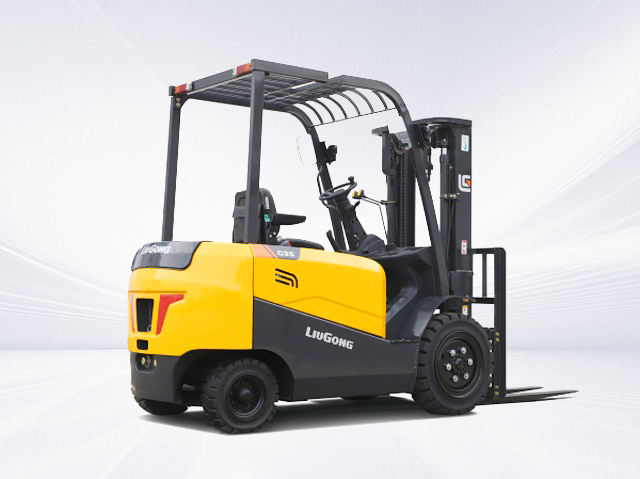
Warehouse managers, logistics directors, and operations teams face significant pressure to optimize space utilization, reduce handling time, and maintain safety standards. A well-chosen forklift directly supports these objectives by improving material flow, reducing cycle times, and lowering operational risk. Understanding the criteria for selecting the right forklift ensures your warehouse operates at peak efficiency while protecting your investment.
Understanding Your Warehouse Layout and Space Constraints
Measuring Aisle Width and Vertical Clearance
Your warehouse layout determines which forklift models are physically viable for your operation. The aisle width is the first critical measurement that governs forklift selection. Narrow aisles require compact forklift designs, while wider aisles allow for standard or larger forklift configurations. A forklift too wide for your aisles creates operational bottlenecks, damages racking infrastructure, and creates safety risks. Vertical clearance is equally important—your chosen forklift must fit under sprinkler systems, lighting fixtures, and structural elements without costly modifications.
Before selecting a forklift, document the minimum aisle width throughout your facility, including any transition areas where the forklift will operate. Measure the height from floor to ceiling at loading docks, storage areas, and any overhead obstructions. A forklift that meets these dimensional constraints ensures smooth material handling and prevents costly facility modifications. These measurements should inform whether you need a standard forklift, a reach truck forklift, or a specialized narrow-aisle forklift model.
Floor Load Rating and Surface Type
The weight-bearing capacity of your warehouse floor directly impacts forklift selection. Heavy-duty forklifts with high load capacity require floors rated for greater point loads. If your facility has older concrete or lighter-duty flooring, you may need a lighter forklift or must invest in floor reinforcement before deploying a heavy-capacity forklift. The forklift's weight distribution pattern—determined by its wheelbase, tire size, and center-of-gravity design—affects how load forces transfer to your warehouse floor.
Floor surface type also influences forklift choice. Smooth concrete supports wheeled forklifts efficiently, while uneven or outdoor surfaces may require different tire construction or suspension features. A forklift selected without considering floor conditions may experience accelerated tire wear, reduced maneuverability, or instability. Assess your floor condition, surface texture, and any outdoor handling areas before finalizing your forklift selection decision.
Matching Forklift Capacity and Load Handling Requirements
Load Weight and Lifting Height Specifications
The core performance specifications of your chosen forklift must align exactly with your material handling demands. Load capacity is measured at a standard 24-inch load center for most forklift specifications. Your typical and peak load weights must not exceed the rated capacity at the heights you require. If your operation involves stacking pallets to maximum racking height, you need a forklift with sufficient lifting capacity at that elevation without derating performance.
Lifting height directly affects storage density and warehouse utilization. A forklift that lifts loads only 10 feet cannot serve a warehouse designed for 20-foot stacking. Conversely, investing in a forklift with 35-meter lifting capability when your maximum stack height is 15 feet represents unnecessary capital expense and operational complexity. Match your forklift's rated lifting height to your storage design, accounting for safety margins and load center variations in your material mix.
Load Center and Weight Distribution Considerations
The load center principle is fundamental to safe forklift operations. Forklift capacity ratings assume loads are centered at a specific distance from the mast (typically 24 inches). As load center increases—when carrying longer or offset pallets—the forklift's effective capacity decreases. A forklift specified for 3-ton capacity at 24-inch load center may safely handle only 2 tons at 48-inch load center. Understanding your typical load configurations and how frequently you handle offset or extended loads ensures your selected forklift maintains safety margins throughout daily operations.
When selecting a forklift, document the dimensions and weight distribution of your most common load types. Long materials, drums, irregular packages, or specialized containers require a forklift with appropriate load-handling geometry and capacity derating factors. A forklift that lacks adequate load center performance for your material mix will either operate unsafely or force handling changes that reduce productivity.
Fuel Type and Operational Environment Factors
Choosing Between Diesel, LPG, Electric, and Specialized Powertrains
The forklift's power source directly influences its suitability for your warehouse environment and operational schedule. Diesel forklifts deliver high power and are cost-effective for heavy-duty outdoor or mixed-use operations. LPG forklifts offer good power with lower emissions compared to diesel. Electric forklifts produce zero direct emissions and operate quietly, making them ideal for indoor warehouses, food processing facilities, or noise-sensitive environments. Selecting the wrong forklift fuel type creates operational inefficiency, environmental compliance issues, or safety concerns in your specific warehouse context.
Indoor-only operations typically benefit from electric forklift technology, which eliminates exhaust emissions and reduces ventilation requirements. High-volume outdoor operations or continuous-duty cycles may justify diesel forklift selection despite higher emissions. Consider your facility's ventilation, emission regulations, operating hours, and charging infrastructure when evaluating fuel options. A forklift powered by the wrong fuel type may violate environmental regulations, require expensive facility modifications, or lack sufficient operating range between refueling or recharging cycles.
Climate and Environmental Compatibility
Your warehouse's operating environment significantly influences forklift durability and performance reliability. Cold climates present unique challenges—diesel forklifts may require winterization, while electric forklifts experience reduced battery efficiency in freezing temperatures. High-humidity or corrosive environments require forklifts with enhanced rust protection and sealed electrical components. Selecting a forklift without considering environmental factors leads to premature component failure, increased maintenance costs, and reduced operational availability.
Document your facility's temperature range, humidity levels, exposure to chemicals or salt, and any specialized environmental requirements. Specialized warehouse environments—such as food storage, pharmaceutical facilities, or chemical processing plants—may require forklift models with specific certifications or design features. Environmental compatibility ensures your forklift operates reliably throughout its service life, minimizing downtime and protecting inventory.
FAQ
What is the most important factor when selecting a forklift for a specific warehouse?
The most important factor is ensuring the forklift physically fits your warehouse layout and matches your load handling requirements. Aisle width, ceiling height, load capacity, and lifting height must align precisely with your operational environment. A forklift that doesn't fit your space or cannot safely handle your loads creates safety risks and operational inefficiency that overshadow other considerations.
How do I determine the correct load capacity for my warehouse forklift?
Document your typical and peak load weights, including the distance from the mast where loads are typically positioned (load center). Your chosen forklift must maintain rated capacity at the heights and load centers you actually use. Account for load variations and future growth when specifying forklift capacity—selecting a forklift with insufficient margin creates safety issues and productivity bottlenecks.
Should I choose an electric or diesel forklift for my warehouse?
The choice depends on your operating environment and duty cycle. Electric forklifts suit indoor-only operations with stable workloads and available charging infrastructure. Diesel forklifts work better for outdoor operations, heavy-duty cycles, or facilities without electrical charging capacity. Evaluate emission regulations, operating hours, noise restrictions, and total cost of ownership including fuel and maintenance when deciding between forklift types.