
 EN
EN
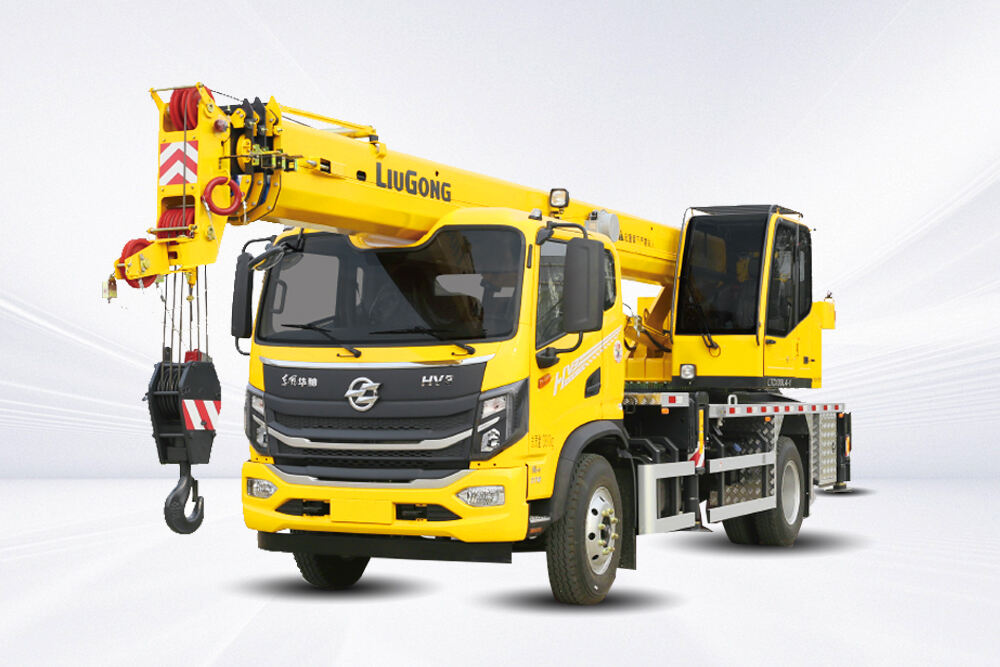
Selecting the appropriate truck crane for your construction or industrial operations requires careful consideration of multiple factors that directly impact productivity, safety, and operational costs. A truck crane represents a significant investment that can transform your lifting capabilities, making it essential to understand the key specifications, performance characteristics, and operational requirements before making a purchasing decision. Modern truck cranes offer advanced features and enhanced reliability that make them indispensable for various applications across construction sites, manufacturing facilities, and infrastructure projects.
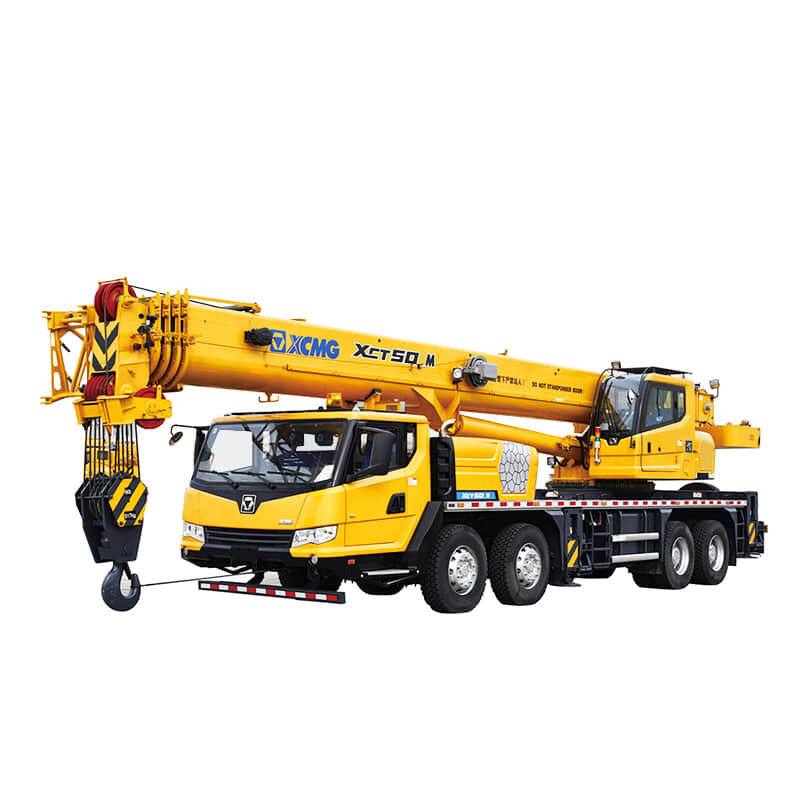
The crane industry has evolved significantly in recent years, with manufacturers introducing innovative technologies that enhance lifting precision, operator comfort, and fuel efficiency. Understanding these advancements is crucial for making an informed decision that aligns with your specific operational needs and budget constraints. This comprehensive guide explores the critical factors that influence truck crane selection, helping you navigate the complex landscape of specifications, features, and performance capabilities.
Understanding Truck Crane Classifications and Types
Mobile Truck Crane Configurations
Truck cranes are available in various configurations designed to meet specific operational requirements and site conditions. All-terrain cranes combine highway mobility with off-road capabilities, making them suitable for diverse job sites that require both transportation efficiency and rough terrain navigation. These versatile machines typically feature multiple axles with independent suspension systems that provide stability and maneuverability across different surface conditions.
Rough terrain cranes offer superior off-road performance with specialized tires, increased ground clearance, and robust chassis construction. These truck crane models excel in construction environments where standard vehicles cannot operate effectively. The enhanced mobility features make them ideal for projects in remote locations or challenging terrain where traditional cranes would struggle to maintain stability and performance.
Load Capacity and Lifting Range Specifications
The lifting capacity of a truck crane varies significantly based on boom extension, load radius, and operating angle. Maximum rated capacity typically occurs at minimum radius with the boom fully retracted, while capacity decreases as the boom extends or the load moves further from the crane's centerline. Understanding these capacity charts is essential for selecting a crane that meets your heaviest lifting requirements while maintaining appropriate safety margins.
Boom length specifications determine the maximum height and reach capabilities of your truck crane investment. Telescopic booms offer variable length adjustment, allowing operators to optimize reach and capacity for specific lifting tasks. The number of boom sections directly impacts the maximum extension length, with more sections providing greater versatility but potentially affecting structural integrity and lifting capacity at full extension.
Critical Performance Factors for Selection
Engine Power and Fuel Efficiency Considerations
Engine specifications play a crucial role in determining the overall performance and operational costs of your truck crane fleet. Modern diesel engines offer improved fuel efficiency while maintaining the power output necessary for demanding lifting operations. Tier 4 emissions compliance ensures environmental responsibility while meeting increasingly stringent regulatory requirements across different markets and regions.
Hydraulic system efficiency directly impacts lifting speed, precision, and fuel consumption during crane operations. Advanced hydraulic technologies incorporate variable displacement pumps and load-sensing systems that optimize power delivery based on operational demands. These systems reduce fuel consumption while maintaining consistent lifting performance across various load conditions and operating scenarios.
Stability and Safety Features
Outrigger systems provide essential stability for safe truck crane operations, with various configurations available to suit different site conditions and space constraints. Full outrigger extension maximizes stability and lifting capacity, while intermediate positions allow operation in confined spaces with reduced but adequate stability margins. Automatic leveling systems enhance setup efficiency while ensuring proper crane positioning for optimal performance.
Load moment indicators and rated capacity limiters represent critical safety technologies that prevent overloading and maintain operational stability. These systems continuously monitor load weight, boom position, and operating radius to ensure operations remain within safe parameters. Advanced models incorporate GPS positioning and wireless communication capabilities that enhance fleet management and operational oversight.
Operational Requirements and Site Considerations
Mobility and Transportation Factors
Road regulations and weight restrictions significantly influence truck crane selection, particularly for operations requiring frequent transportation between job sites. Axle configurations, overall length, and gross vehicle weight determine highway compatibility and permit requirements. Understanding these limitations helps identify models that balance lifting capability with transportation efficiency and regulatory compliance.
Carrier specifications affect both highway performance and job site maneuverability. All-wheel drive systems enhance traction and mobility in challenging conditions, while different transmission options provide varying levels of control and efficiency. The relationship between carrier capabilities and crane specifications determines overall versatility and operational effectiveness across different project types.
Application-Specific Requirements
Construction applications demand different capabilities compared to industrial maintenance or utility work. Building construction typically requires maximum lifting height and capacity, while maintenance operations prioritize precision and accessibility in confined spaces. Understanding your primary applications helps identify the optimal balance between lifting capacity, reach, and maneuverability for your specific operational needs.
Environmental conditions significantly impact truck crane performance and longevity. Extreme temperatures, corrosive atmospheres, and abrasive conditions require specialized protection systems and component materials. Cold weather packages, corrosion-resistant coatings, and enhanced filtration systems extend equipment life while maintaining reliable performance in challenging environments.
Technology Integration and Modern Features
Advanced Control Systems
Modern truck crane control systems incorporate sophisticated electronics that enhance operator efficiency and safety. Joystick controls with proportional response provide precise load handling capabilities, while programmable functions allow customization for specific operational preferences. Display systems present real-time information about load capacity, boom position, and system status to support informed decision-making during operations.
Remote control capabilities expand operational flexibility and safety by allowing operators to maintain visual contact with loads while controlling crane functions from optimal vantage points. Wireless systems eliminate the constraints of physical controls, enabling more efficient positioning and reducing the risk of accidents caused by limited visibility from the cab.
Maintenance and Diagnostic Technologies
Integrated diagnostic systems monitor truck crane performance parameters and component condition to optimize maintenance scheduling and prevent unexpected failures. These systems track operating hours, load cycles, and system pressures to provide data-driven insights into equipment utilization and maintenance requirements. Predictive maintenance capabilities help minimize downtime while extending component life through proactive service interventions.
Telematics integration enables remote monitoring of crane operations, maintenance status, and performance metrics. Fleet managers can access real-time information about equipment location, utilization rates, and operational efficiency to optimize deployment and maintenance strategies. These systems support improved asset management while reducing operational costs through enhanced visibility into equipment performance and utilization patterns.
Economic Considerations and Return on Investment
Initial Purchase and Financing Options
The initial cost of a truck crane represents only one component of the total ownership equation, with operating costs, maintenance expenses, and resale value significantly impacting long-term financial performance. Comparing purchase prices across different manufacturers and models requires careful analysis of included features, warranty coverage, and expected service life to determine true value propositions.
Financing options vary significantly between manufacturers and dealers, with lease programs, extended payment terms, and trade-in allowances affecting the total cost of ownership. Understanding the implications of different financing structures helps optimize cash flow while securing the equipment necessary for operational success. Some programs include maintenance packages that provide predictable operating costs and enhanced equipment reliability.
Operating Cost Analysis
Fuel consumption represents a major ongoing expense for truck crane operations, making engine efficiency and hydraulic system design critical factors in long-term cost management. Comparative analysis of fuel consumption rates under similar operating conditions helps identify models that provide optimal performance per dollar of fuel cost. Advanced engine technologies and efficient hydraulic systems can significantly reduce operating expenses over the equipment's service life.
Maintenance requirements vary substantially between different truck crane models and manufacturers, with parts availability, service intervals, and component longevity affecting ongoing costs. Establishing relationships with authorized service providers and understanding parts pricing structures helps predict maintenance expenses and avoid unexpected cost escalations. Regular maintenance programs often provide cost savings compared to reactive repair approaches while ensuring optimal equipment performance.
Manufacturer Selection and Support Services
Brand Reputation and Market Presence
Manufacturer reputation reflects long-term reliability, innovation, and customer support quality that directly impacts your truck crane investment success. Established manufacturers with extensive market presence typically offer comprehensive parts networks, experienced service technicians, and proven track records for equipment reliability. Researching manufacturer history, customer testimonials, and industry recognition helps evaluate the stability and capabilities of potential suppliers.
Global support networks become particularly important for companies operating in multiple regions or requiring rapid parts availability. Manufacturers with extensive dealer networks and parts distribution systems can provide faster response times and reduced downtime when service issues arise. Understanding the geographic coverage and capabilities of different support networks helps ensure adequate service availability throughout your equipment's operational life.
Training and Technical Support
Operator training programs significantly impact safety, productivity, and equipment longevity by ensuring proper operation techniques and maintenance awareness. Comprehensive training curricula cover operational procedures, safety protocols, and basic maintenance requirements that help maximize truck crane performance while minimizing accident risks. Many manufacturers offer ongoing training updates that address new technologies and operational best practices.
Technical support availability and quality determine how quickly operational issues can be resolved and normal productivity restored. Manufacturers with dedicated technical support teams, comprehensive documentation, and remote diagnostic capabilities can provide faster problem resolution and reduced downtime. Understanding support availability, response times, and escalation procedures helps ensure adequate assistance when technical issues arise.
FAQ
What factors determine the appropriate truck crane capacity for my operations
Truck crane capacity requirements depend on your heaviest anticipated loads, maximum lifting heights, and typical working radii. Consider not only current lifting needs but also potential future requirements that might develop as your operations expand. Safety margins of 20-25% above maximum expected loads ensure safe operations while accommodating load variations and dynamic forces during lifting operations.
How do I evaluate the total cost of ownership for different truck crane models
Total cost of ownership includes purchase price, financing costs, fuel consumption, maintenance expenses, operator training, insurance premiums, and expected resale value. Create detailed cost projections over the anticipated ownership period, considering utilization rates, operating conditions, and manufacturer support quality. Include indirect costs such as downtime expenses and productivity impacts when comparing different models and manufacturers.
What maintenance considerations should influence my truck crane selection
Evaluate maintenance interval frequencies, parts availability, service complexity, and technician requirements for different truck crane models. Consider the proximity of authorized service centers, parts pricing structures, and diagnostic system capabilities that can reduce maintenance costs and downtime. Some manufacturers offer maintenance contracts that provide predictable costs and guaranteed service response times.
How important are advanced technology features in modern truck crane selection
Advanced technology features such as load moment indicators, remote controls, and telematics systems enhance safety, productivity, and operational oversight capabilities. While these features may increase initial costs, they often provide significant returns through improved efficiency, reduced accident risks, and enhanced fleet management capabilities. Evaluate technology benefits against costs based on your specific operational requirements and safety priorities.
Table of Contents
- Understanding Truck Crane Classifications and Types
- Critical Performance Factors for Selection
- Operational Requirements and Site Considerations
- Technology Integration and Modern Features
- Economic Considerations and Return on Investment
- Manufacturer Selection and Support Services
-
FAQ
- What factors determine the appropriate truck crane capacity for my operations
- How do I evaluate the total cost of ownership for different truck crane models
- What maintenance considerations should influence my truck crane selection
- How important are advanced technology features in modern truck crane selection