
 EN
EN
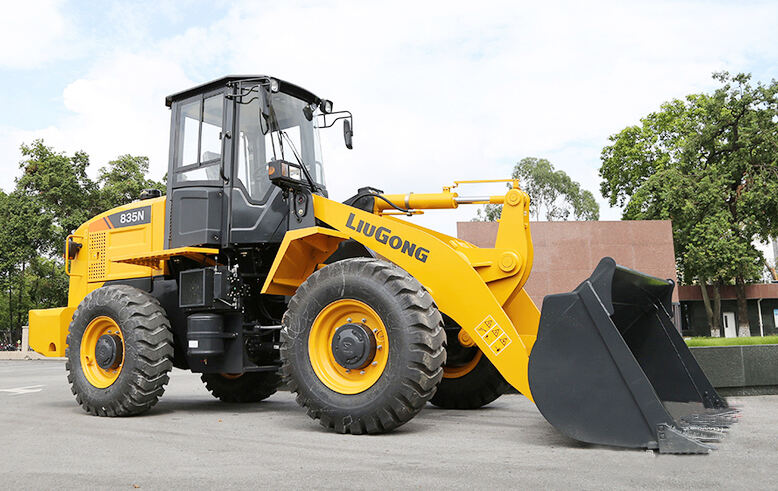
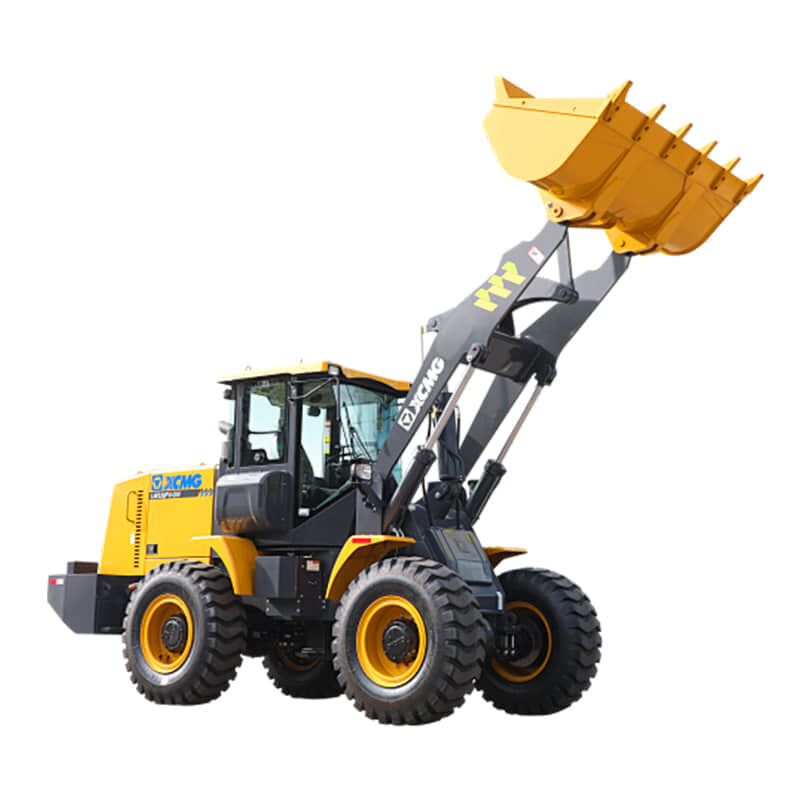
Construction equipment investments require careful consideration to maximize return on investment and operational efficiency. A wheeled loader represents one of the most versatile and essential pieces of machinery in modern construction, mining, and material handling operations. Understanding the key factors that drive ROI in wheeled loader procurement can significantly impact your project profitability and long-term business success.
Understanding Wheeled Loader Investment Fundamentals
Initial Purchase Price Considerations
The upfront cost of a wheeled loader varies significantly based on specifications, brand reputation, and operational capabilities. Smart buyers evaluate total cost of ownership rather than focusing solely on purchase price. Premium wheeled loader models often justify higher initial investments through superior fuel efficiency, enhanced durability, and reduced maintenance requirements over their operational lifespan.
Market analysis reveals that wheeled loader pricing correlates directly with engine power, lifting capacity, and technological features. Operators should assess their specific application requirements to avoid over-specification or under-specification scenarios that negatively impact ROI. Strategic procurement involves matching equipment capabilities precisely to operational demands while considering future expansion needs.
Financing Options and Cash Flow Impact
Various financing mechanisms influence wheeled loader ROI calculations, including outright purchase, leasing arrangements, and equipment financing programs. Each option presents distinct advantages depending on business cash flow requirements, tax considerations, and equipment utilization patterns. Leasing often provides lower initial capital requirements while enabling technology upgrades at contract renewal.
Equipment financing terms directly affect monthly cash flow and overall project profitability. Competitive interest rates and favorable payment schedules can transform a marginal wheeled loader investment into a highly profitable venture. Professional financial analysis should evaluate depreciation schedules, tax benefits, and opportunity costs associated with different acquisition methods.
Operational Efficiency Factors
Fuel Consumption and Operating Costs
Fuel efficiency represents a critical factor in wheeled loader ROI calculations, especially given volatile energy prices and environmental regulations. Modern wheeled loader designs incorporate advanced engine technologies, hydraulic systems, and transmission configurations that optimize fuel consumption while maintaining peak performance. These improvements can reduce operating costs by 15-20% compared to older generation equipment.
Operators should evaluate fuel consumption specifications across different wheeled loader models under various working conditions. Real-world fuel efficiency depends on operator skill, maintenance practices, job site conditions, and loading cycles. Comprehensive fuel management strategies, including operator training and maintenance optimization, maximize the cost-saving potential of fuel-efficient wheeled loader investments.
Productivity and Cycle Time Optimization
Wheeled loader productivity directly correlates with cycle times, loading capacity, and operational versatility. High-performance models complete material handling cycles faster while maintaining consistent output quality. This efficiency translates into reduced project completion times, lower labor costs, and increased revenue opportunities. wheeled loader selection should prioritize models that demonstrate superior cycle time performance in relevant applications.
Advanced hydraulic systems and intelligent control features enhance wheeled loader productivity through optimized power delivery and reduced operator fatigue. These technological improvements enable consistent performance throughout extended work shifts while minimizing material spillage and handling errors. Productivity gains compound over time, significantly improving long-term ROI calculations.
Maintenance and Reliability Considerations
Preventive Maintenance Program Impact
Structured maintenance programs dramatically influence wheeled loader reliability, operating costs, and equipment longevity. Well-maintained equipment experiences fewer breakdowns, maintains higher resale values, and delivers consistent performance throughout its operational lifespan. Maintenance costs typically represent 10-15% of total operating expenses for wheeled loader operations, making program optimization essential for ROI maximization.
Modern wheeled loader designs incorporate diagnostic systems and maintenance alerts that facilitate proactive service scheduling. These technologies help operators identify potential issues before they result in costly failures or extended downtime periods. Effective maintenance strategies balance service intervals with operational demands to minimize disruption while ensuring peak equipment performance.
Parts Availability and Service Support
Reliable parts availability and responsive service support significantly impact wheeled loader downtime costs and operational continuity. Equipment manufacturers with extensive dealer networks and comprehensive parts inventory systems provide superior support that translates into higher equipment utilization rates. Service response times and technician expertise levels directly affect maintenance costs and equipment availability.
Geographic considerations play important roles in wheeled loader service support evaluation. Remote operations require manufacturers with regional service capabilities and emergency support programs. The total cost of service support, including travel time, parts shipping, and technician expertise, should factor into ROI calculations for wheeled loader investments.
Technology Integration and Future Readiness
Automation and Digital Features
Contemporary wheeled loader models incorporate sophisticated automation features that enhance operator efficiency and reduce skill requirements. These technologies include automatic bucket leveling, load-sensing hydraulics, and integrated telematics systems that optimize fuel consumption and operational parameters. Technology adoption can reduce training costs while improving overall productivity metrics.
Digital integration capabilities enable wheeled loader integration with fleet management systems, project tracking software, and predictive maintenance programs. These connections provide valuable operational data that supports informed decision-making and continuous improvement initiatives. Technology-enabled wheeled loader operations demonstrate superior ROI through data-driven optimization strategies.
Emissions Compliance and Environmental Factors
Environmental regulations increasingly influence wheeled loader selection criteria and operational costs. Tier 4 compliant engines and emissions reduction technologies ensure regulatory compliance while potentially qualifying for environmental incentives and tax benefits. Forward-thinking wheeled loader investments consider future emissions requirements and associated compliance costs.
Sustainable wheeled loader operations align with corporate environmental responsibility initiatives and customer preferences for environmentally conscious contractors. Electric and hybrid wheeled loader technologies represent emerging opportunities for operators seeking to differentiate their services while reducing long-term operating costs. Early adoption of clean technologies can provide competitive advantages in environmentally sensitive markets.
Market Analysis and Resale Value Optimization
Brand Reputation and Market Acceptance
Wheeled loader brand reputation significantly influences resale values, financing terms, and operational acceptance across different markets. Established manufacturers with proven track records command premium pricing in used equipment markets while providing superior support throughout the equipment lifecycle. Brand selection impacts both operational performance and long-term asset value retention.
Market research reveals that certain wheeled loader brands maintain higher resale value percentages due to reputation, reliability, and parts availability factors. These considerations become particularly important for operators who regularly upgrade equipment or maintain diverse fleets with varying replacement schedules. Strategic brand selection supports both operational and financial objectives.
Timing and Market Conditions
Equipment market cycles significantly influence wheeled loader acquisition costs and optimal replacement timing. Economic conditions, commodity prices, and construction activity levels affect both new and used equipment pricing. Astute operators monitor market indicators to time wheeled loader purchases during favorable conditions that maximize ROI potential.
Seasonal demand patterns create opportunities for strategic wheeled loader procurement at reduced costs. Off-season purchases often provide significant savings while ensuring equipment availability for peak demand periods. Market timing strategies require careful planning but can substantially improve investment returns through reduced acquisition costs and optimized utilization schedules.
FAQ
What factors most significantly impact wheeled loader ROI calculations
The most significant factors affecting wheeled loader ROI include fuel efficiency, maintenance costs, productivity rates, operator training requirements, and resale value retention. Fuel costs typically represent 30-40% of operating expenses, making efficiency improvements highly impactful. Maintenance represents another 10-15% of costs, while productivity directly affects revenue generation potential. Comprehensive ROI analysis must consider all these factors over the equipment's expected operational lifespan.
How do financing options affect overall wheeled loader investment returns
Financing options significantly impact cash flow, tax benefits, and overall investment returns for wheeled loader purchases. Leasing provides lower upfront costs and potential tax advantages but may result in higher total costs over extended periods. Equipment loans offer ownership benefits and depreciation advantages while requiring higher initial capital. The optimal financing approach depends on business cash flow patterns, tax situations, and equipment utilization strategies.
What role does operator training play in maximizing wheeled loader ROI
Operator training directly impacts wheeled loader productivity, fuel efficiency, maintenance costs, and equipment longevity. Well-trained operators achieve 15-25% better fuel economy while reducing component wear and maintenance requirements. Training investments typically pay for themselves within 3-6 months through improved efficiency and reduced operating costs. Ongoing training programs ensure operators remain current with technology improvements and best practices.
How should businesses evaluate wheeled loader technology features for ROI impact
Technology feature evaluation should focus on measurable productivity improvements, operating cost reductions, and operator efficiency gains. Features like load-sensing hydraulics, automatic transmission, and telematics systems provide quantifiable benefits through reduced cycle times, fuel savings, and maintenance optimization. Cost-benefit analysis should compare technology premiums against projected savings over the equipment's operational lifespan to determine ROI impact.