
 EN
EN
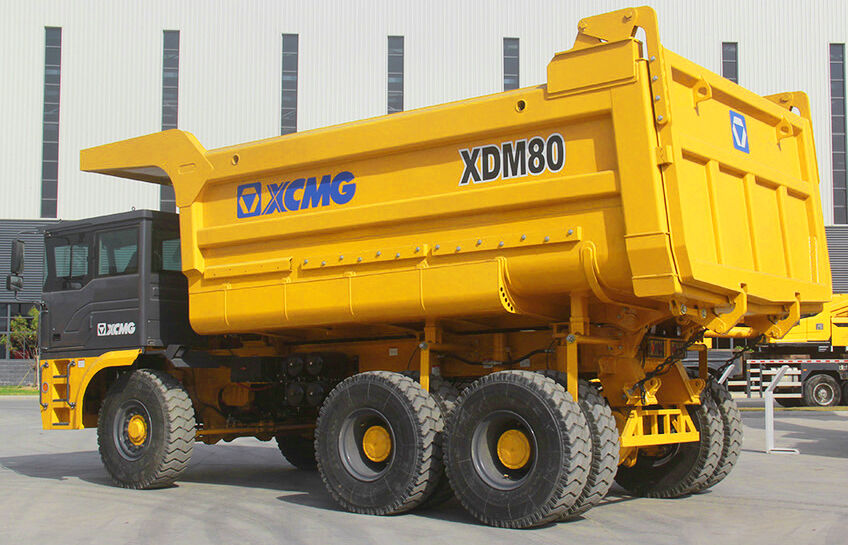
Operating a dump truck requires specialized knowledge, extensive training, and unwavering attention to safety protocols. These massive vehicles play an essential role in construction, mining, and infrastructure projects worldwide, but their size and operational complexity present unique hazards that demand respect and careful handling. Professional dump truck operators must master not only the mechanical aspects of their equipment but also develop a comprehensive understanding of safety procedures that protect themselves, their coworkers, and the general public.
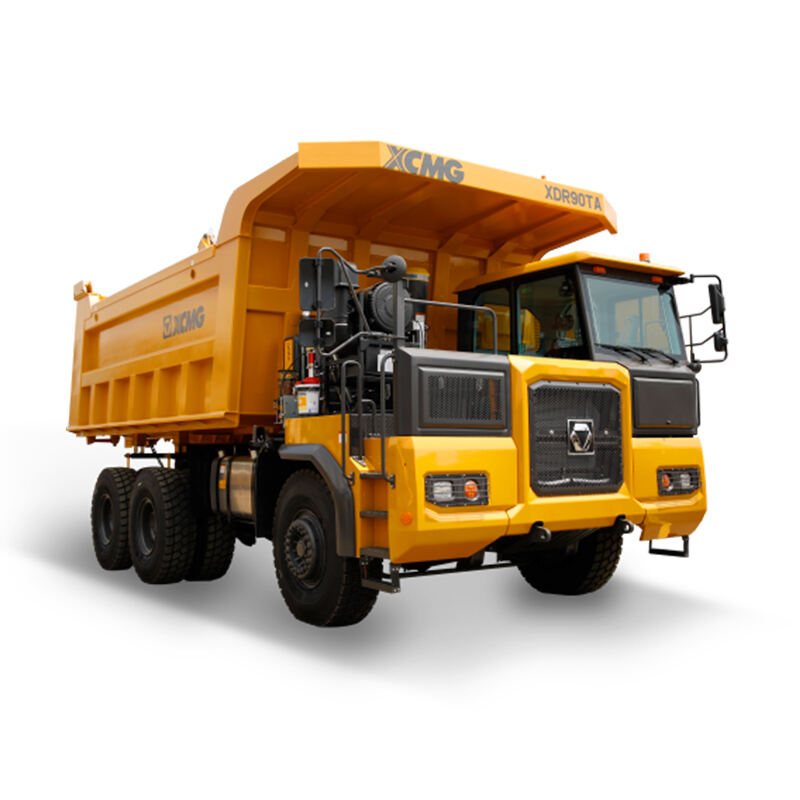
The construction industry reports that heavy equipment accidents, including those involving dump trucks, account for a significant percentage of workplace injuries and fatalities. Understanding and implementing proper safety measures can dramatically reduce these statistics while improving operational efficiency and equipment longevity. Every dump truck operation, regardless of size or scope, benefits from establishing and maintaining rigorous safety standards that address both routine operations and emergency situations.
Pre-Operational Safety Inspections
Daily Equipment Checks
Before starting any dump truck operation, conducting a thorough pre-operational inspection represents the first line of defense against mechanical failures and safety incidents. Professional operators understand that a systematic approach to equipment inspection can identify potential problems before they escalate into dangerous situations. This inspection process should follow a standardized checklist that covers all critical systems and components of the dump truck.
The inspection begins with examining the exterior condition of the dump truck, checking for visible damage, fluid leaks, or worn components. Operators should inspect tires for proper inflation, tread depth, and sidewall damage, as tire failure can lead to catastrophic accidents. The hydraulic system requires special attention, including checking fluid levels, examining hoses for cracks or leaks, and testing the operation of all hydraulic controls under no-load conditions.
Documentation and Reporting
Proper documentation of inspection results creates a valuable maintenance history and helps identify recurring problems before they compromise safety. Professional dump truck operators maintain detailed logs of their daily inspections, noting any deficiencies or concerns discovered during the process. This documentation serves multiple purposes, including regulatory compliance, insurance requirements, and proactive maintenance scheduling.
When deficiencies are identified during inspection, operators must follow established reporting procedures and remove the dump truck from service until repairs are completed. No operational deadline or production pressure should override safety concerns identified during pre-operational inspections. Creating a culture where thorough inspections are valued and supported by management ensures that safety remains the top priority in all dump truck operations.
Loading and Unloading Procedures
Proper Positioning Techniques
Safe loading procedures begin with proper positioning of the dump truck relative to loading equipment and material sources. Operators must maintain adequate clearance from overhead obstacles, power lines, and other equipment while ensuring stable ground conditions that can support the combined weight of the vehicle and its load. The loading process requires constant communication between the dump truck operator and loading equipment operators to coordinate movements and prevent accidents.
Understanding load distribution principles helps prevent dangerous conditions such as overloading, uneven weight distribution, or exceeding the dump truck's center of gravity limits. Professional operators know their vehicle's specifications, including maximum payload capacity, and never compromise these limits regardless of production pressures. Proper load positioning within the bed ensures stable transportation and safe unloading operations.
Material Handling Safety
Different materials present unique challenges and safety considerations during dump truck operations. Loose materials like sand or gravel require different handling techniques compared to larger items such as rocks or construction debris. Operators must understand how various materials behave during loading, transportation, and unloading phases, adjusting their techniques accordingly to maintain safety and efficiency.
Weather conditions significantly impact material handling safety, particularly when dealing with wet or frozen materials that may stick to the dump bed or create unstable loads. Professional dump truck operators develop experience-based judgment that helps them recognize potentially dangerous loading conditions and take appropriate precautions to prevent accidents during subsequent operations.
Transportation Safety Protocols
Speed and Distance Management
Maintaining appropriate speeds represents a critical safety factor in dump truck operations, as these vehicles require significantly longer stopping distances compared to standard vehicles. Professional operators understand that speed limits posted for regular traffic may be unsafe for loaded dump trucks, particularly on grades, curves, or in adverse weather conditions. Developing good speed judgment requires understanding the relationship between vehicle weight, road conditions, and braking capabilities.
Following distance becomes even more critical when operating a fully loaded dump truck, as the additional weight and momentum make emergency stops extremely challenging. Experienced operators maintain generous following distances and constantly scan ahead for potential hazards that might require defensive driving actions. This proactive approach to speed and distance management prevents many accidents that result from inadequate reaction time or stopping distance.
Route Planning and Hazard Recognition
Effective route planning considers factors specific to dump truck operations, including bridge weight limits, overhead clearances, and road surface conditions that might affect vehicle stability. Professional operators familiarize themselves with their assigned routes, identifying potential hazards such as steep grades, sharp curves, or areas with limited visibility that require extra caution during dump truck operations.
Weather monitoring becomes an essential part of route planning, as conditions such as rain, snow, or high winds can dramatically affect dump truck handling characteristics. Operators must be prepared to modify their routes or suspend operations when weather conditions create unacceptable safety risks, regardless of schedule pressures or production targets.
Hydraulic System Safety
System Operation Principles
The hydraulic system represents one of the most potentially dangerous components of any dump truck, capable of generating tremendous forces that can cause serious injuries or equipment damage when improperly operated. Understanding hydraulic system principles helps operators recognize normal operation parameters and identify warning signs that indicate potential system problems or failures.
Proper hydraulic fluid maintenance ensures reliable system operation and prevents failures that could create dangerous situations during dump truck operations. Regular fluid level checks, contamination monitoring, and filter replacement according to manufacturer specifications help maintain system integrity and prevent costly failures that compromise both safety and productivity.
Emergency Procedures
Every dump truck operator must understand emergency procedures for hydraulic system failures, including methods for manually lowering a raised bed in case of power loss or system malfunction. These emergency procedures require specific knowledge of the equipment's design and should be practiced regularly to ensure operators can respond quickly and safely when actual emergencies occur.
Hydraulic system maintenance should only be performed by qualified technicians using proper procedures and safety equipment. Dump truck operators should never attempt repairs or adjustments to hydraulic components unless they have received specific training and authorization for such activities. Understanding the limitations of operator-level maintenance helps prevent accidents and ensures that complex repairs are handled by appropriately qualified personnel.
Site-Specific Safety Considerations
Construction Zone Operations
Operating dump trucks in active construction zones requires heightened awareness of constantly changing conditions, including pedestrian traffic, equipment movements, and temporary traffic control measures. Professional operators develop situational awareness skills that help them recognize and respond to the dynamic nature of construction environments while maintaining safe operating practices.
Communication systems play a vital role in construction zone safety, enabling dump truck operators to coordinate with other equipment operators, ground personnel, and traffic control personnel. Understanding and following established communication protocols helps prevent accidents and ensures efficient coordination of complex construction activities involving multiple pieces of equipment.
Public Road Integration
Transitioning between construction sites and public roads presents unique challenges for dump truck operators, who must adapt their driving techniques to accommodate different traffic patterns and road conditions. Understanding the performance characteristics of loaded versus unloaded dump trucks helps operators make appropriate adjustments when entering public traffic areas.
Regulatory compliance becomes particularly important when dump truck operations involve public roads, as these vehicles must meet all applicable transportation regulations including weight limits, permit requirements, and equipment specifications. Professional operators ensure their vehicles are properly configured and legally compliant before entering public roadways.
FAQ
What are the most important daily maintenance checks for dump truck safety
The most critical daily maintenance checks include inspecting tire condition and pressure, checking hydraulic fluid levels and system operation, examining brake components and testing brake function, verifying proper operation of all lights and warning devices, and conducting a thorough walk-around inspection for visible damage or fluid leaks. These inspections should be documented and any deficiencies addressed before beginning operations.
How should operators handle emergency situations during dump truck operations
Emergency response begins with immediate situation assessment and activation of appropriate warning systems to alert nearby personnel. Operators should follow established shutdown procedures, secure the area around the dump truck, and contact emergency services or supervisory personnel as required. Regular emergency response training helps operators respond effectively to various scenarios including equipment failures, accidents, or medical emergencies.
What factors determine safe loading capacity for dump truck operations
Safe loading capacity depends on multiple factors including the manufacturer's specified payload limits, current road conditions, planned route characteristics, and material type being transported. Operators must also consider legal weight limits for roads they will travel, equipment condition, and weather conditions that might affect vehicle stability or stopping distance during loaded operations.
How do weather conditions impact dump truck safety requirements
Weather significantly affects dump truck operations through reduced visibility, altered road surface conditions, and changes in material handling characteristics. Rain or snow requires reduced speeds and increased following distances, while high winds can affect vehicle stability, particularly when operating with raised beds. Operators must adjust their techniques based on current conditions and may need to suspend operations during severe weather events.