
 EN
EN
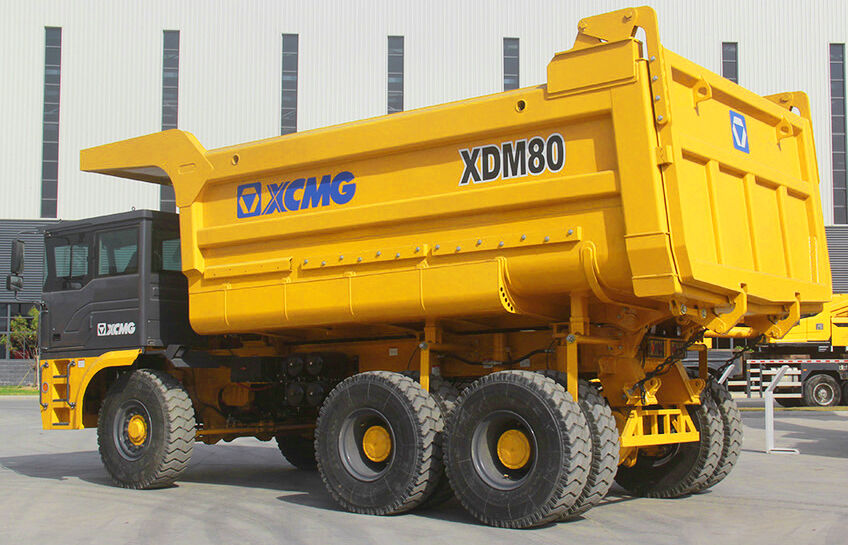
Effective maintenance practices are the cornerstone of successful dump truck operations in construction, mining, and heavy-duty applications. Professional operators understand that implementing comprehensive maintenance strategies significantly extends equipment lifespan while maximizing operational efficiency and minimizing costly downtime. The demanding nature of dump truck operations requires meticulous attention to maintenance schedules, component inspections, and preventive care protocols that ensure optimal performance across diverse working conditions.
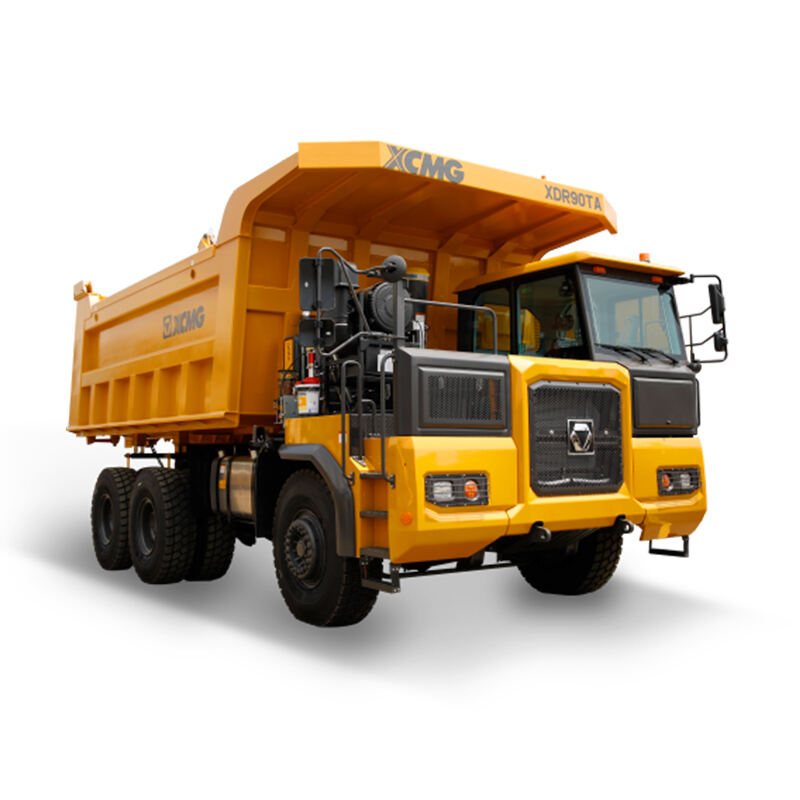
Hydraulic System Maintenance Excellence
Hydraulic Fluid Management and Quality Control
The hydraulic system represents the heart of dump truck functionality, controlling the lifting and lowering mechanisms that define operational capability. Maintaining proper hydraulic fluid levels and quality ensures smooth operation while preventing costly system failures. Regular fluid analysis helps identify contamination levels, moisture content, and additive depletion that could compromise system integrity. Professional operators typically schedule hydraulic fluid changes every 1,000 to 2,000 operating hours, depending on working conditions and manufacturer specifications.
Temperature management plays a crucial role in hydraulic system longevity, as excessive heat can degrade fluid properties and damage seals throughout the system. Installing temperature gauges and monitoring operating temperatures helps prevent overheating during intensive operations. Proper filtration systems remove contaminants that could cause premature component wear, while regular filter replacements maintain optimal fluid cleanliness levels essential for reliable dump truck performance.
Hydraulic Component Inspection and Replacement
Systematic inspection of hydraulic cylinders, hoses, and fittings prevents unexpected failures that could result in operational disruptions and safety hazards. Visual inspections should focus on identifying leaks, cracks, or wear patterns that indicate impending component failure. Hydraulic hose replacement should follow manufacturer recommendations, typically every three to five years, regardless of apparent condition, as rubber deterioration occurs over time even without visible damage.
Cylinder rod maintenance requires particular attention to prevent scoring, pitting, or corrosion that could compromise seal integrity. Regular cleaning and protection of exposed cylinder rods helps maintain smooth operation while extending seal life. Proper storage and handling procedures for hydraulic components ensure replacement parts maintain their quality and performance characteristics when installed in the dump truck system.
Engine Maintenance and Performance Optimization
Lubrication System Excellence
Engine lubrication forms the foundation of dump truck reliability, protecting critical internal components from wear and ensuring optimal power delivery throughout demanding operations. Regular oil changes using manufacturer-specified lubricants maintain proper viscosity and additive levels necessary for effective engine protection. Oil analysis programs help identify wear patterns, contamination sources, and potential problems before they result in catastrophic engine failure.
Filter maintenance extends beyond simple oil filter replacements to include fuel filters, air filters, and hydraulic filters that collectively ensure clean fluids throughout all dump truck systems. Contaminated filters restrict flow and reduce efficiency while potentially allowing harmful particles to reach sensitive components. Establishing filter change intervals based on operating conditions rather than arbitrary time periods ensures optimal protection while avoiding unnecessary maintenance costs.
Cooling System Maintenance and Efficiency
Effective cooling system maintenance prevents overheating that could result in engine damage and operational delays in demanding applications. Regular coolant level checks, radiator cleaning, and thermostat testing ensure proper temperature regulation during intensive dump truck operations. Coolant quality testing identifies chemical imbalances that could promote corrosion or reduce heat transfer efficiency throughout the cooling system.
Radiator and intercooler cleaning removes debris accumulation that restricts airflow and reduces cooling efficiency. High-pressure washing techniques effectively remove mud, dust, and organic materials while avoiding damage to delicate fin structures. Regular belt and hose inspections prevent cooling system failures that could strand equipment in remote locations where repairs become complex and expensive.
Transmission and Drivetrain Care
Transmission Service and Fluid Management
Transmission maintenance ensures smooth power transfer and reliable operation across varying load conditions typical of dump truck applications. Regular transmission fluid changes maintain proper lubrication and cooling while removing accumulated contaminants and wear particles. Fluid level monitoring prevents low-fluid conditions that could result in overheating and internal damage to transmission components.
Transmission filter maintenance removes particles that could cause valve sticking, pump wear, or clutch slippage in automatic transmissions. Manual transmission maintenance focuses on gear oil quality and level maintenance, ensuring proper lubrication of synchronizers and gear sets. Regular adjustments of linkages and clutch systems maintain proper engagement characteristics essential for reliable dump truck operation.
Differential and Axle Maintenance
Differential maintenance protects the final drive components that transfer engine power to the wheels under demanding load conditions. Regular gear oil changes remove metal particles and moisture that could cause premature wear or corrosion of differential components. Proper oil level maintenance ensures adequate lubrication during extreme operating angles common in off-road dump truck applications.
Axle seal inspection and replacement prevents gear oil leakage while keeping contaminants out of the differential housing. Bearing adjustment and replacement maintain proper wheel alignment and prevent excessive wear that could result in costly repairs. Regular inspection of universal joints and drive shafts identifies wear patterns that indicate the need for lubrication or component replacement.
Brake System Safety and Maintenance
Air Brake System Inspection and Testing
Air brake system maintenance ensures safe stopping power essential for loaded dump truck operations on varied terrain conditions. Daily air system pressure tests verify compressor performance and system integrity while identifying potential leaks or component failures. Regular drain valve operation removes moisture and contaminants from air tanks that could freeze in cold weather or cause corrosion in system components.
Brake adjustment procedures maintain proper shoe-to-drum clearances that ensure effective braking while preventing premature lining wear. Automatic slack adjuster testing verifies proper operation of self-adjusting mechanisms that maintain consistent brake performance throughout lining life. Regular inspection of air lines, fittings, and valves prevents air leaks that could compromise braking effectiveness during critical situations.
Foundation Brake Component Care
Brake drum and rotor inspection identifies wear patterns, heat damage, or cracking that could compromise braking effectiveness in dump truck applications. Regular measurement of drum diameter and rotor thickness ensures components remain within safe operating specifications. Proper brake lining selection based on application requirements optimizes stopping performance while maximizing component life.
Wheel bearing maintenance prevents brake component damage while ensuring proper wheel alignment essential for effective braking. Regular lubrication and adjustment procedures maintain optimal bearing performance while preventing premature failure that could result in wheel separation or brake system damage. Proper torque specifications for wheel nuts ensure secure mounting while preventing stress concentrations that could cause component failure.
Electrical System Reliability
Battery and Charging System Maintenance
Battery maintenance ensures reliable starting performance essential for dump truck operations in remote locations where jump-starting may be difficult or impossible. Regular battery testing identifies declining capacity before complete failure occurs, allowing planned replacement during scheduled maintenance periods. Proper electrolyte level maintenance and terminal cleaning prevent corrosion and ensure optimal electrical conductivity throughout the charging system.
Alternator and starter motor maintenance prevents electrical system failures that could strand equipment during critical operations. Regular belt tension adjustment ensures proper alternator operation while preventing premature bearing wear. Starter motor inspection identifies worn contacts or solenoid problems that could prevent engine starting when needed most.
Lighting and Safety System Checks
Lighting system maintenance ensures visibility and safety compliance essential for dump truck operations in various weather and lighting conditions. Regular bulb replacement and lens cleaning maintain optimal light output while preventing citations for safety violations. Proper wiring inspection identifies damaged insulation or loose connections that could cause lighting failures or electrical fires.
Safety system maintenance includes regular testing of backup alarms, warning lights, and other safety devices required for dump truck operations. Proper adjustment and calibration of these systems ensures compliance with safety regulations while protecting personnel working around heavy equipment. Regular inspection of wiring harnesses and connectors prevents moisture intrusion that could cause intermittent electrical problems.
FAQ
How often should hydraulic fluid be changed in a dump truck
Hydraulic fluid changes should typically occur every 1,000 to 2,000 operating hours, depending on working conditions and manufacturer specifications. Harsh environments with high dust levels or extreme temperatures may require more frequent changes, while clean operating conditions may allow extended intervals. Regular fluid analysis helps determine optimal change intervals based on actual fluid condition rather than arbitrary time periods.
What are the signs of transmission problems in dump trucks
Common signs of transmission problems include slipping during gear changes, delayed engagement, unusual noises during operation, and overheating. Fluid leaks, burnt odors, and difficulty shifting gears also indicate potential transmission issues requiring immediate attention. Regular transmission service and fluid analysis help identify problems before they result in complete transmission failure and expensive repairs.
How can operators prevent brake system failures
Preventing brake system failures requires daily pre-operation inspections, regular air system pressure tests, and timely replacement of worn components. Proper brake adjustment maintains optimal stopping performance while preventing premature lining wear. Regular moisture removal from air tanks prevents freezing and corrosion that could compromise brake system reliability during critical situations.
What maintenance tasks should be performed daily on dump trucks
Daily maintenance tasks should include fluid level checks, visual inspections of hydraulic components, tire pressure verification, and brake system testing. Pre-operation inspections help identify potential problems before they cause equipment failures or safety hazards. Regular lubrication of grease fittings and cleaning of critical components extends equipment life while maintaining optimal performance throughout demanding operations.