
 EN
EN
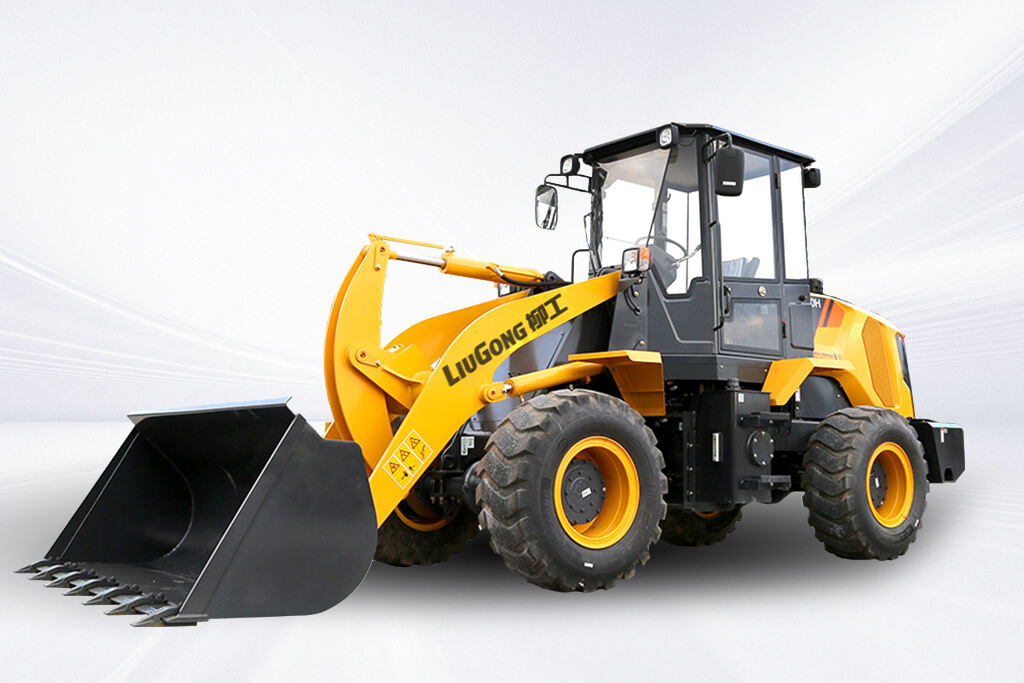
Construction and earthmoving industries are witnessing unprecedented technological advancements in heavy machinery, particularly in wheeled loader systems. Modern wheeled loader technology represents a significant leap forward from traditional models, incorporating cutting-edge innovations that enhance productivity, reduce operational costs, and improve safety standards across construction sites worldwide. These powerful machines continue to evolve rapidly, driven by increasing demands for efficiency, environmental compliance, and operator comfort in challenging work environments.
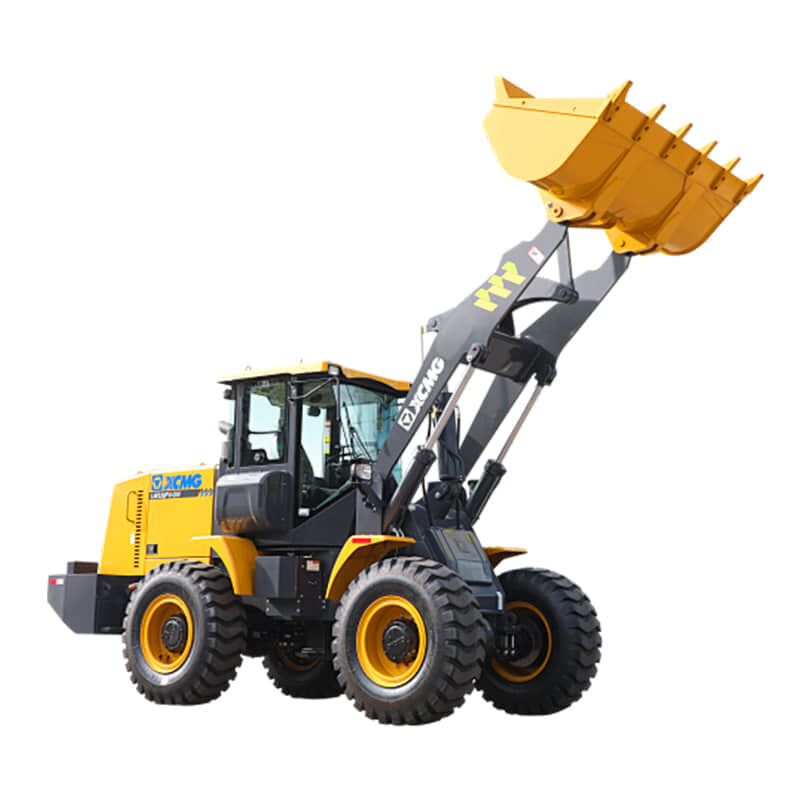
Advanced Engine Technologies Transforming Performance
Fuel Efficiency Optimization Systems
Contemporary wheeled loader engines incorporate sophisticated fuel management systems that optimize combustion processes for maximum efficiency. These advanced powertrains utilize variable geometry turbochargers, electronic fuel injection systems, and intelligent engine mapping to deliver superior performance while reducing fuel consumption by up to thirty percent compared to previous generations. The integration of real-time monitoring systems allows operators to track fuel usage patterns and adjust operating procedures accordingly.
Manufacturers are implementing adaptive engine control algorithms that automatically adjust power output based on load requirements and operating conditions. This smart technology ensures that the wheeled loader operates at optimal efficiency levels throughout various work cycles, from light material handling to heavy excavation tasks. The result is significant cost savings over the machine's operational lifetime while maintaining the robust performance standards expected in demanding construction environments.
Emission Control and Environmental Compliance
Modern wheeled loader engines feature comprehensive emission reduction technologies including selective catalytic reduction systems, diesel particulate filters, and exhaust gas recirculation mechanisms. These environmental control systems work collectively to minimize nitrogen oxide emissions, particulate matter, and hydrocarbon releases while maintaining peak engine performance. Compliance with stringent international emission standards such as Stage V and Tier 4 Final has become standard across leading wheeled loader manufacturers.
The implementation of cleaner burning fuels and biodiesel compatibility further enhances the environmental credentials of contemporary wheeled loader technology. Advanced after-treatment systems continuously monitor emission levels and automatically adjust operational parameters to ensure consistent compliance with environmental regulations. This commitment to sustainable operation helps construction companies meet increasingly strict environmental requirements while reducing their overall carbon footprint.
Intelligent Hydraulic Systems and Automation
Precision Load Handling Capabilities
Revolutionary hydraulic technologies in modern wheeled loader systems provide unprecedented precision and control during material handling operations. Electronic load sensing hydraulics automatically adjust system pressure and flow rates based on implement requirements and load characteristics, resulting in smoother operation and reduced operator fatigue. These intelligent systems can detect material density and automatically compensate for varying load weights to maintain consistent performance throughout work cycles.
Advanced pilot control systems offer operators fingertip precision when manipulating bucket functions, steering, and auxiliary attachments. The integration of proportional valve technology enables infinitely variable control over hydraulic functions, allowing experienced operators to maximize productivity while new operators benefit from enhanced controllability. This technological advancement significantly improves overall operational efficiency while reducing mechanical wear and extending component service life.
Automated Work Cycle Integration
Cutting-edge wheeled loader models incorporate automated work cycle programming that can memorize and repeat specific operational sequences with remarkable accuracy. These systems allow operators to program complex material handling routines that the machine can execute consistently, reducing operator workload and improving productivity in repetitive applications. The automation technology includes features such as automatic bucket leveling, preset lift heights, and coordinated boom and bucket movements.
Machine learning algorithms continuously analyze operational patterns and suggest optimization strategies to improve cycle times and reduce fuel consumption. The wheeled loader technology incorporates predictive analytics that can anticipate maintenance requirements and alert operators to potential issues before they result in costly downtime. This proactive approach to machine management represents a fundamental shift toward intelligent construction equipment.
Enhanced Operator Comfort and Safety Features
Ergonomic Cabin Design Innovations
Modern wheeled loader cabins feature comprehensive ergonomic designs that prioritize operator comfort during extended work shifts. Advanced suspension systems isolate operators from machine vibrations and ground irregularities, while climate control systems maintain optimal working temperatures regardless of external weather conditions. Adjustable seating systems with multiple memory positions accommodate operators of varying sizes and preferences, reducing fatigue and improving operational safety.
Intuitive control layouts position all essential functions within easy reach of the operator, minimizing unnecessary movement and reducing the potential for operational errors. Large panoramic windows provide excellent visibility in all directions, while integrated LED lighting systems ensure optimal illumination during nighttime operations. Sound dampening materials and acoustic engineering create quieter cabin environments that enable clear communication and reduce long-term hearing damage risks.
Advanced Safety Systems and Monitoring
Contemporary wheeled loader safety systems include comprehensive proximity detection technology that alerts operators to nearby personnel or obstacles. Integrated camera systems provide 360-degree visibility around the machine, eliminating blind spots and significantly reducing accident risks. Advanced radar and ultrasonic sensors continuously monitor the operating environment and can automatically engage emergency braking systems when potential collision scenarios are detected.
Electronic stability control systems prevent machine rollover situations by continuously monitoring load distribution, ground conditions, and operating angles. These safety systems can automatically limit travel speeds when carrying elevated loads or operating on unstable surfaces. Real-time diagnostic systems monitor critical machine functions and provide immediate alerts when maintenance attention is required, preventing catastrophic failures and ensuring consistent operational safety standards.
Digital Connectivity and Fleet Management
Telematics Integration and Remote Monitoring
Advanced telematics systems in modern wheeled loader technology enable comprehensive remote monitoring of machine performance, location tracking, and operational analytics. Fleet managers can access real-time data regarding fuel consumption, operating hours, maintenance schedules, and productivity metrics through sophisticated web-based platforms. This connectivity allows for optimized fleet deployment and proactive maintenance scheduling that minimizes unexpected downtime.
Satellite communication systems ensure consistent data transmission even in remote construction sites where cellular coverage may be limited. The telematics platforms can generate detailed operational reports, track machine utilization rates, and identify opportunities for improved efficiency. This data-driven approach to fleet management enables construction companies to make informed decisions regarding equipment allocation and replacement strategies.
Predictive Maintenance and Diagnostic Capabilities
Sophisticated diagnostic systems continuously monitor hundreds of operational parameters throughout the wheeled loader system, identifying potential issues before they result in component failures. Machine learning algorithms analyze historical performance data to predict maintenance requirements and optimize service intervals based on actual operating conditions rather than predetermined schedules. This predictive approach significantly reduces maintenance costs while maximizing machine availability.
Remote diagnostic capabilities allow service technicians to analyze machine performance data and diagnose issues without physically visiting the job site. This technology enables faster problem resolution and more efficient parts ordering, reducing service time and operational disruptions. The integration of augmented reality systems can guide on-site personnel through complex repair procedures, improving service quality and reducing the need for specialized technical expertise at remote locations.
Attachment Versatility and Quick-Change Systems
Multi-Purpose Attachment Integration
Modern wheeled loader designs accommodate an extensive range of specialized attachments that transform these machines into versatile multi-purpose tools. Quick-change coupling systems enable operators to switch between buckets, forks, grapples, and specialized implements within minutes, maximizing machine utilization and reducing the need for multiple pieces of equipment on job sites. Hydraulic quick-connect systems automatically establish fluid connections and electrical interfaces when attachments are engaged.
Advanced attachment recognition systems automatically configure machine parameters when different implements are installed, optimizing hydraulic flows and operational characteristics for each specific tool. This technology ensures that wheeled loader performance is maximized regardless of the attached implement, while protecting both the machine and attachment from potential damage due to incorrect operational settings. The versatility offered by these systems significantly improves return on investment for construction companies.
Specialized Industry Applications
Contemporary wheeled loader technology addresses specific industry requirements through specialized attachment systems and operational configurations. Agricultural applications benefit from high-capacity bucket designs and gentle material handling capabilities that preserve crop quality. Waste management operations utilize specialized grapple attachments and reinforced structural components designed for handling abrasive materials and extended operational cycles.
Mining and quarry applications require enhanced durability features, rock bucket configurations, and reinforced undercarriage components capable of withstanding extreme operating conditions. The wheeled loader technology continues evolving to meet these diverse industry requirements while maintaining the fundamental reliability and performance characteristics that make these machines indispensable in construction and earthmoving applications.
FAQ
What are the main technological improvements in modern wheeled loader engines
Modern wheeled loader engines feature advanced fuel injection systems, variable geometry turbochargers, and intelligent engine mapping that collectively improve fuel efficiency by up to thirty percent while reducing emissions. These engines incorporate selective catalytic reduction systems, diesel particulate filters, and real-time monitoring capabilities that ensure compliance with stringent environmental regulations while maintaining robust performance standards.
How do automated systems improve wheeled loader productivity
Automated systems in contemporary wheeled loader technology include programmable work cycles, automatic bucket leveling, and coordinated boom movements that reduce operator workload while improving consistency. Machine learning algorithms analyze operational patterns and suggest optimization strategies, while predictive analytics anticipate maintenance requirements to minimize unexpected downtime and maximize operational efficiency.
What safety features are standard in new wheeled loader models
Standard safety features in modern wheeled loader designs include proximity detection systems, 360-degree camera coverage, electronic stability control, and automatic emergency braking capabilities. These systems continuously monitor the operating environment and can prevent accidents by alerting operators to hazards and automatically engaging protective measures when potentially dangerous situations are detected.
How does telematics technology benefit wheeled loader fleet management
Telematics systems provide real-time monitoring of machine performance, location tracking, fuel consumption analytics, and maintenance scheduling capabilities through web-based platforms. This connectivity enables fleet managers to optimize equipment deployment, implement predictive maintenance strategies, and generate detailed operational reports that support data-driven decision making for improved fleet efficiency and reduced operational costs.