
 EN
EN
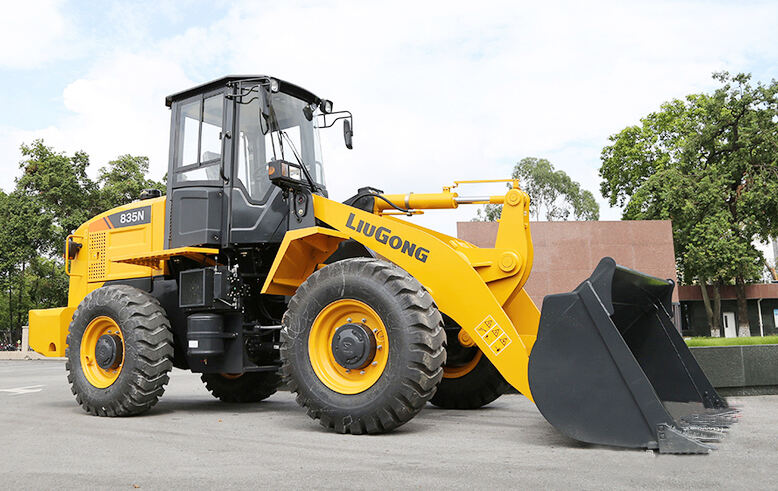
Selecting the right wheeled loader for construction projects requires careful consideration of multiple factors that directly impact productivity, efficiency, and operational costs. A wheeled loader serves as the backbone of many construction operations, handling materials, loading trucks, and performing various tasks that keep projects moving forward. Understanding the key specifications, performance characteristics, and operational requirements will help construction professionals make informed decisions when investing in this essential heavy equipment.
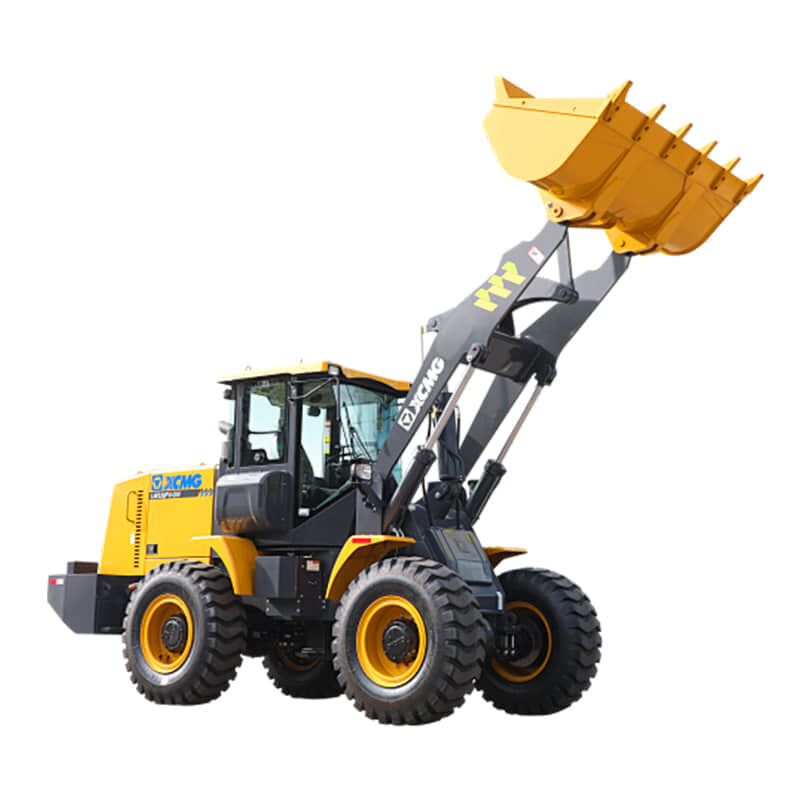
Understanding Wheeled Loader Categories and Specifications
Compact Wheeled Loaders for Small-Scale Projects
Compact wheeled loader models typically range from 2 to 5 tons in operating weight, making them ideal for residential construction, landscaping, and tight workspace applications. These machines offer excellent maneuverability in confined areas while maintaining sufficient power for light to medium-duty tasks. The smaller footprint of a compact wheeled loader allows operators to navigate through narrow passages and work in areas where larger equipment cannot access effectively.
Engine power in compact wheeled loader units generally ranges from 50 to 100 horsepower, providing adequate performance for material handling, snow removal, and general construction tasks. The reduced fuel consumption of these machines makes them cost-effective for projects with limited budgets or extended operational periods. Additionally, compact wheeled loader models often feature simplified controls and maintenance requirements, reducing training time and operational complexity for construction crews.
Mid-Size Wheeled Loaders for Versatile Applications
Mid-size wheeled loader equipment bridges the gap between compact and large machines, offering operating weights between 5 and 15 tons. These versatile machines excel in commercial construction, road building, and medium-scale earthmoving projects where balanced performance and efficiency are crucial. A mid-size wheeled loader typically features bucket capacities ranging from 1.5 to 3.5 cubic yards, providing substantial material handling capabilities without compromising mobility.
The engine specifications for mid-size wheeled loader models usually range from 100 to 200 horsepower, delivering robust performance across various applications. These machines often incorporate advanced hydraulic systems that enable faster cycle times and improved fuel efficiency. The versatility of mid-size wheeled loader equipment makes them popular choices for contractors who require reliable performance across diverse project types and working conditions.
Key Performance Factors in Wheeled Loader Selection
Engine Power and Fuel Efficiency Considerations
Engine power represents one of the most critical specifications when evaluating wheeled loader options for construction applications. Modern wheeled loader engines incorporate advanced technologies such as electronic fuel injection, turbocharging, and emissions control systems that optimize performance while meeting environmental regulations. The relationship between engine power and operational efficiency directly affects productivity levels and long-term operating costs.
Fuel efficiency in wheeled loader operations depends on multiple factors including engine design, hydraulic system efficiency, and operator technique. Tier 4 Final compliant engines in modern wheeled loader models provide significant improvements in fuel consumption while reducing emissions output. Construction companies should evaluate fuel efficiency ratings alongside power specifications to determine the most cost-effective wheeled loader for their specific operational requirements and usage patterns.
Hydraulic System Performance and Capabilities
The hydraulic system performance of a wheeled loader determines lifting capacity, cycle times, and overall operational efficiency. Advanced hydraulic designs incorporate load-sensing technology that adjusts flow and pressure based on operational demands, optimizing fuel consumption and reducing heat generation. The hydraulic system capacity directly influences the speed at which a wheeled loader can complete loading cycles and material handling tasks.
Breakout force and lifting capacity specifications provide critical insights into the material handling capabilities of different wheeled loader models. High-performance hydraulic systems enable faster bucket filling, reduced cycle times, and improved productivity in demanding construction applications. Construction professionals should carefully evaluate hydraulic specifications to ensure the selected wheeled loader can handle the specific materials and loading requirements of their projects.
Operational Environment and Working Conditions
Terrain Adaptability and Ground Conditions
The ability of a wheeled loader to perform effectively across various terrain types significantly impacts project productivity and equipment longevity. Tire selection plays a crucial role in determining traction, stability, and overall performance on different ground conditions. Standard pneumatic tires work well on firm surfaces, while specialized tread patterns and compounds provide enhanced traction on soft, muddy, or uneven terrain.
Ground clearance and approach angles affect the ability of wheeled loader equipment to navigate rough terrain and obstacles commonly encountered on construction sites. Machines with higher ground clearance and optimized geometry can work effectively in challenging conditions without risking damage to undercarriage components. The weight distribution and center of gravity of a wheeled loader also influence stability and performance on sloped or uneven surfaces.
Climate and Environmental Considerations
Environmental conditions significantly impact wheeled loader performance, maintenance requirements, and operational efficiency. Extreme temperatures, humidity levels, and dust conditions require specific equipment features and maintenance protocols to ensure reliable operation. Cold weather packages for wheeled loader models include engine block heaters, hydraulic fluid warmers, and enhanced battery systems that enable reliable starting and operation in low-temperature environments.
Dust filtration systems and sealed cab environments protect operators and critical components from airborne contaminants commonly found on construction sites. The air filtration capacity and maintenance intervals of wheeled loader systems directly affect engine longevity and performance consistency. Construction companies operating in harsh environmental conditions should prioritize machines with robust environmental protection features and proven reliability records.
Technology Integration and Advanced Features
Operator Comfort and Control Systems
Modern wheeled loader designs prioritize operator comfort and control precision to enhance productivity and reduce fatigue during extended operation periods. Ergonomic cab designs feature adjustable seating, intuitive control layouts, and climate control systems that create comfortable working environments. The visibility from the operator position significantly affects safety and operational efficiency, making cab design and window placement critical considerations.
Advanced control systems in contemporary wheeled loader models include joystick controls, electronic pilot controls, and programmable function settings that allow operators to customize machine response characteristics. These systems reduce operator fatigue while improving precision and control during delicate material handling operations. The learning curve associated with different control systems should be considered when selecting wheeled loader equipment for crews with varying experience levels.
Telematics and Fleet Management Integration
Telematics technology in modern wheeled loader equipment provides real-time monitoring of machine performance, location tracking, and maintenance scheduling capabilities. Fleet managers can monitor fuel consumption, operating hours, and performance metrics remotely, enabling proactive maintenance and optimized resource allocation. The integration of telematics systems with fleet management software streamlines reporting and helps identify opportunities for improved efficiency.
Diagnostic capabilities built into wheeled loader telematics systems provide early warning of potential mechanical issues, reducing unexpected downtime and repair costs. Remote monitoring allows service technicians to diagnose problems and prepare appropriate parts and tools before arriving at job sites. The long-term benefits of telematics integration often justify the additional investment in equipped wheeled loader models.
Maintenance and Service Considerations
Routine Maintenance Requirements and Accessibility
The maintenance requirements of wheeled loader equipment directly impact operating costs and machine availability throughout the equipment lifecycle. Machines with easily accessible service points, centralized lubrication systems, and extended service intervals reduce maintenance time and costs. The design of engine compartments, hydraulic component placement, and filter accessibility significantly affects the efficiency of routine maintenance procedures.
Service interval specifications for wheeled loader models vary significantly based on design philosophy and component quality. Extended service intervals reduce maintenance frequency and associated labor costs, while high-quality filtration systems protect critical components from contamination. Construction companies should evaluate the total cost of ownership, including maintenance expenses, when comparing different wheeled loader options.
Parts Availability and Service Support
The availability of replacement parts and qualified service support significantly affects the long-term viability of wheeled loader investments. Established manufacturers with extensive dealer networks provide superior parts availability and service support compared to lesser-known brands. The proximity of authorized service facilities and parts distribution centers directly impacts equipment downtime and maintenance costs.
Warranty coverage and service agreements for wheeled loader purchases provide financial protection and predictable maintenance costs during the initial ownership period. Comprehensive warranty programs that cover major components and provide extended coverage options demonstrate manufacturer confidence in product quality. Construction companies should carefully evaluate warranty terms and service agreement options when making wheeled loader purchasing decisions.
Cost Analysis and Return on Investment
Initial Purchase Price and Financing Options
The initial purchase price of wheeled loader equipment represents a significant capital investment that requires careful financial analysis and planning. Pricing variations between manufacturers and models reflect differences in build quality, feature sets, and brand positioning. Construction companies should evaluate the relationship between purchase price and expected performance to determine the best value for their specific operational requirements.
Financing options for wheeled loader purchases include traditional equipment loans, lease arrangements, and manufacturer financing programs with competitive rates and terms. The choice of financing method affects cash flow, tax implications, and overall project economics. Equipment leasing may provide advantages for companies with limited capital or projects with defined duration requirements, while ownership provides long-term value and flexibility.
Operating Costs and Productivity Metrics
Operating costs for wheeled loader equipment encompass fuel consumption, maintenance expenses, operator wages, and insurance costs throughout the machine lifecycle. Fuel-efficient engines and optimized hydraulic systems reduce operating expenses while maintaining productivity levels. The calculation of cost per hour or cost per cubic yard of material moved provides meaningful metrics for comparing different wheeled loader options.
Productivity measurements such as cycle times, load capacity utilization, and material handling rates directly impact project profitability and equipment return on investment. High-performance wheeled loader models may justify higher purchase prices through improved productivity and reduced operating costs. Construction companies should analyze productivity data and operating cost projections to make informed investment decisions based on quantitative performance metrics.
FAQ
What size wheeled loader is best for general construction work
For general construction applications, mid-size wheeled loader models with operating weights between 8 and 12 tons typically provide the optimal balance of performance, versatility, and operating costs. These machines offer sufficient power and capacity for most material handling tasks while maintaining reasonable fuel consumption and operational flexibility across diverse project types.
How do I determine the right bucket capacity for my wheeled loader
Bucket capacity selection should be based on the density of materials being handled, truck capacity requirements, and cycle time objectives. A wheeled loader bucket should typically hold between one-quarter and one-third of the truck bed capacity to achieve optimal loading efficiency. Dense materials like sand or gravel may require smaller bucket capacities to avoid exceeding machine lifting limits or tire load ratings.
What maintenance schedule should I follow for wheeled loader equipment
Wheeled loader maintenance schedules should follow manufacturer recommendations for service intervals based on operating hours or calendar time, whichever occurs first. Daily pre-operation inspections, regular fluid level checks, and scheduled component replacements help prevent unexpected failures and extend equipment life. Severe operating conditions may require more frequent maintenance intervals to ensure reliable performance and component longevity.
How important is dealer support when choosing a wheeled loader brand
Dealer support quality significantly impacts the long-term ownership experience and operating costs of wheeled loader equipment. Local dealer proximity, parts availability, service technician expertise, and response times directly affect equipment uptime and maintenance costs. Construction companies should evaluate dealer capabilities and support infrastructure as carefully as they assess machine specifications and pricing when making purchasing decisions.