
 EN
EN
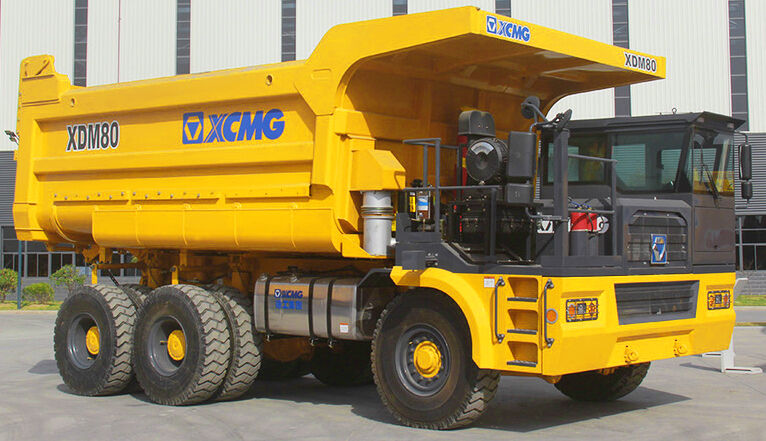
Starting a dump truck business represents an excellent opportunity to enter the lucrative construction and transportation industry. The demand for reliable dump truck services continues to grow as construction projects expand across residential, commercial, and infrastructure sectors. A successful dump truck operation requires careful planning, proper equipment selection, and strategic business development to establish a profitable venture in this competitive market.
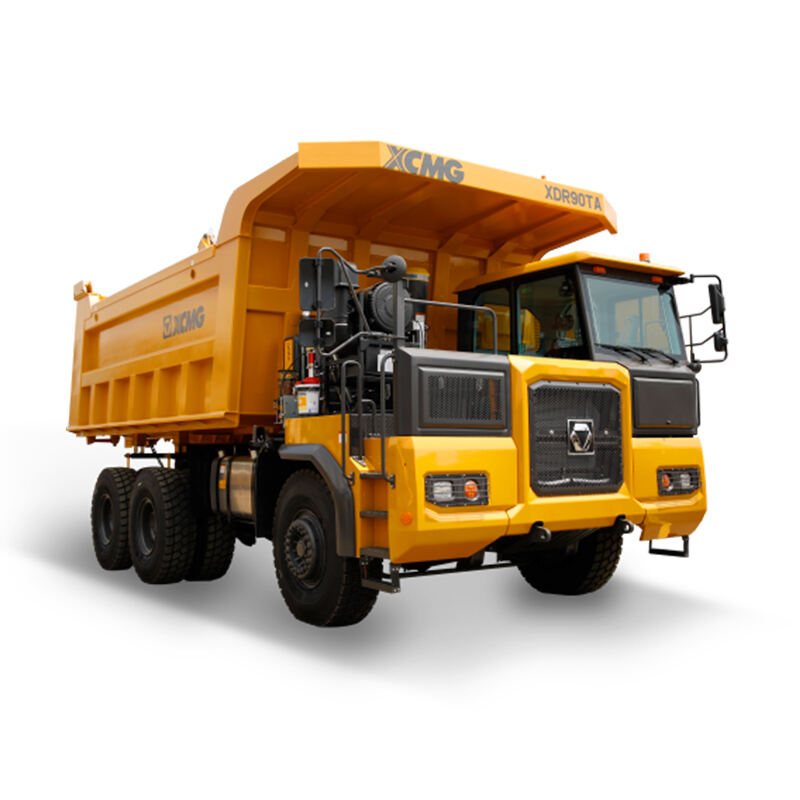
Essential Business Planning for Dump Truck Operations
Market Research and Business Model Development
Conducting thorough market research forms the foundation of any successful dump truck business venture. Understanding local construction activity, identifying potential clients, and analyzing competitor pricing structures helps establish a viable business model. The dump truck industry serves diverse markets including residential construction, road maintenance, landscaping projects, and municipal services, each requiring different service approaches and pricing strategies.
Developing a comprehensive business plan should include financial projections, target market identification, and service differentiation strategies. Many successful dump truck entrepreneurs focus on specialized niches such as hazardous material transport, snow removal services, or emergency response contracts. These specialized services often command premium pricing and provide more stable revenue streams compared to general hauling services.
Legal Requirements and Licensing Procedures
Operating a dump truck business requires compliance with federal, state, and local regulations governing commercial vehicle operations. The Department of Transportation mandates specific licensing requirements for commercial drivers, including Commercial Driver's License endorsements appropriate for dump truck operations. Vehicle registration, insurance coverage, and safety compliance certificates represent essential legal requirements before beginning operations.
Business licensing varies by jurisdiction but typically includes general business licenses, contractor licenses for construction-related work, and environmental permits for waste handling operations. Many municipalities require special permits for dump truck operations within city limits, particularly for projects involving road construction or debris removal. Understanding these regulatory requirements prevents costly delays and legal complications during business launch phases.
Equipment Selection and Financing Strategies
Choosing the Right Dump Truck Specifications
Selecting appropriate dump truck equipment significantly impacts business profitability and operational efficiency. Single-axle dump trucks work well for smaller residential projects and landscaping applications, while tandem-axle configurations provide increased payload capacity for major construction contracts. The choice between new and used equipment depends on available capital, financing options, and intended service applications.
Engine specifications, transmission types, and hydraulic system capabilities affect both performance and maintenance costs throughout the vehicle's operational life. Modern dump truck models incorporate advanced fuel efficiency technologies, emission control systems, and driver assistance features that reduce operating expenses while improving safety performance. Evaluating total cost of ownership rather than initial purchase price provides better long-term financial planning guidance.
Financing Options and Capital Management
Financing a dump truck requires careful evaluation of lending options including traditional bank loans, equipment financing programs, and lease arrangements. Many equipment dealers offer manufacturer financing with competitive interest rates and flexible payment terms designed specifically for commercial vehicle purchases. Small Business Administration loan programs provide additional financing alternatives with favorable terms for qualifying entrepreneurs.
Capital management extends beyond initial equipment purchase to include working capital for fuel, maintenance, insurance, and operational expenses during business establishment phases. Maintaining adequate cash reserves helps weather seasonal fluctuations common in construction-related industries while providing resources for unexpected repairs or equipment upgrades. Establishing relationships with multiple funding sources creates financial flexibility for future business expansion opportunities.
Operational Excellence and Service Delivery
Route Planning and Scheduling Optimization
Efficient route planning maximizes dump truck utilization while minimizing fuel consumption and vehicle wear. Modern fleet management software provides real-time tracking capabilities, automated scheduling systems, and performance analytics that optimize daily operations. Strategic scheduling considers factors such as traffic patterns, disposal site locations, and customer pickup requirements to maximize productive hours and revenue generation.
Developing relationships with multiple disposal facilities, recycling centers, and material suppliers creates operational flexibility while reducing dependency on single vendors. Understanding local regulations regarding material transport routes, weight restrictions, and noise ordinances prevents costly violations and maintains positive community relationships. Effective scheduling also accounts for vehicle maintenance windows, driver rest requirements, and seasonal demand variations.
Safety Protocols and Training Programs
Implementing comprehensive safety programs protects employees, equipment, and business reputation while reducing insurance costs and regulatory violations. Dump truck operations involve significant safety considerations including load securement, hydraulic system operation, and backing procedures in congested work areas. Regular safety training updates ensure compliance with evolving industry standards and regulatory requirements.
Driver training programs should cover defensive driving techniques, equipment inspection procedures, and emergency response protocols specific to dump truck operations. Many insurance providers offer premium discounts for businesses maintaining certified safety programs and clean driving records. Documenting safety training activities and maintaining incident logs demonstrates commitment to operational excellence and regulatory compliance.
Customer Acquisition and Relationship Management
Marketing Strategies for Construction Services
Effective marketing for dump truck services combines traditional networking approaches with digital marketing strategies targeting construction professionals and project managers. Developing relationships with general contractors, excavation companies, and municipal departments creates referral opportunities and repeat business potential. Trade association memberships provide networking opportunities while establishing credibility within the construction industry community.
Digital marketing efforts should focus on local search optimization, professional website development, and social media presence showcasing completed projects and service capabilities. Many dump truck businesses succeed through word-of-mouth referrals generated by reliable service delivery and competitive pricing. Maintaining visible equipment branding and professional appearance creates marketing value during daily operations while building brand recognition.
Contract Negotiation and Pricing Strategies
Successful contract negotiation requires understanding project requirements, material specifications, and timeline constraints affecting dump truck service delivery. Pricing strategies should account for fuel costs, equipment depreciation, insurance expenses, and profit margins while remaining competitive with local market rates. Developing standardized pricing structures for common services simplifies quotation processes and ensures consistent profitability.
Long-term contracts with established clients provide revenue stability while reducing marketing costs and administrative overhead. Municipal contracts often offer steady work volumes with predictable payment schedules, though competitive bidding processes require detailed cost analysis and strategic pricing approaches. Maintaining relationships with multiple customer segments reduces dependency on individual clients while providing diversified revenue streams.
Financial Management and Business Growth
Cost Control and Profitability Analysis
Effective cost control in dump truck operations requires monitoring fuel consumption, maintenance expenses, and labor costs against revenue generated from each service contract. Implementing detailed tracking systems helps identify profitable customer relationships while highlighting areas requiring operational improvements. Regular profitability analysis guides pricing adjustments and service expansion decisions.
Fuel costs represent significant operational expenses that fluctuate with market conditions and vehicle efficiency. Implementing fuel management programs, route optimization strategies, and regular vehicle maintenance reduces fuel consumption while improving overall profitability. Understanding the relationship between payload weight, distance traveled, and fuel consumption helps optimize job acceptance and pricing decisions.
Expansion Planning and Fleet Development
Business growth strategies for dump truck operations may include fleet expansion, service diversification, or geographic market expansion based on demonstrated profitability and market demand. Adding specialized equipment such as end-dump trailers, transfer trucks, or material handling attachments creates new revenue opportunities while serving expanded customer needs.
Fleet expansion requires careful analysis of market capacity, financing options, and operational management capabilities. Many successful dump truck businesses grow through strategic partnerships with complementary service providers rather than direct competition. Developing expertise in specialized applications such as environmental remediation, utility construction, or industrial maintenance creates competitive advantages and premium pricing opportunities.
Technology Integration and Modern Operations
Fleet Management Systems and GPS Tracking
Modern dump truck businesses benefit significantly from implementing comprehensive fleet management systems that provide real-time vehicle tracking, maintenance scheduling, and performance monitoring capabilities. GPS tracking systems improve customer service through accurate arrival time estimates while providing security features that protect valuable equipment investments. Advanced telematics systems monitor engine performance, fuel consumption, and driver behavior patterns that optimize operational efficiency.
Electronic logging devices ensure compliance with federal hours-of-service regulations while providing detailed operational data for business analysis purposes. Integration between fleet management systems and accounting software streamlines invoicing processes, job costing analysis, and financial reporting functions. These technological investments typically generate positive returns through improved efficiency, reduced administrative costs, and enhanced customer satisfaction levels.
Digital Documentation and Compliance Management
Digital documentation systems streamline regulatory compliance requirements while providing organized record-keeping for business analysis and customer service purposes. Electronic delivery tickets, job photos, and customer signatures create professional documentation while reducing paperwork processing time. Cloud-based storage systems ensure data security while providing remote access capabilities for field operations and customer inquiries.
Automated compliance monitoring systems track vehicle inspections, driver certifications, and regulatory requirements to prevent violations and maintain operational licenses. Many dump truck operators utilize mobile applications that integrate scheduling, documentation, and communication functions to improve field productivity and customer responsiveness. These digital tools create competitive advantages through enhanced service delivery and operational transparency.
Insurance and Risk Management
Commercial Insurance Requirements
Operating a dump truck business requires comprehensive commercial insurance coverage protecting against liability risks, equipment damage, and business interruption scenarios. Commercial vehicle insurance must meet minimum coverage requirements while providing adequate protection for business assets and potential liability exposures. General liability insurance protects against property damage and injury claims resulting from business operations.
Cargo insurance covers materials being transported in dump truck operations, while equipment insurance protects against theft, vandalism, and accidental damage to valuable business assets. Workers' compensation insurance is mandatory in most jurisdictions for businesses with employees, providing medical coverage and wage replacement for work-related injuries. Understanding insurance requirements and maintaining adequate coverage prevents financial losses that could threaten business viability.
Safety Programs and Accident Prevention
Implementing proactive safety programs reduces insurance costs while protecting employees and business reputation through accident prevention measures. Regular vehicle maintenance, driver training, and safety equipment inspections minimize risks associated with dump truck operations in challenging work environments. Documentation of safety activities demonstrates commitment to risk management and may qualify for insurance premium discounts.
Accident response procedures should include immediate medical attention protocols, incident documentation requirements, and communication strategies for customers and insurance providers. Many successful dump truck businesses maintain emergency response kits, first aid supplies, and communication equipment to handle unexpected situations professionally. Proactive risk management creates competitive advantages through improved safety records and reduced operational disruptions.
FAQ
What initial investment is required to start a dump truck business
Starting a dump truck business typically requires an initial investment ranging from $100,000 to $300,000 depending on equipment selection, financing arrangements, and operational scope. This investment covers dump truck purchase or down payment, commercial insurance premiums, licensing fees, and initial working capital for fuel and maintenance expenses. Many entrepreneurs begin with used equipment to reduce initial capital requirements while building customer relationships and operational experience.
How much can a dump truck business owner expect to earn annually
Annual earnings for dump truck business owners vary significantly based on market conditions, operational efficiency, and business scale. Single-truck operations may generate $50,000 to $100,000 in annual net income, while larger fleets can produce substantially higher returns. Factors affecting profitability include fuel costs, equipment maintenance expenses, insurance premiums, and local market rates for dump truck services. Specialized services and long-term contracts typically provide higher profit margins than general hauling work.
What licenses and permits are required for dump truck operations
Dump truck operations require Commercial Driver's License endorsements appropriate for vehicle weight classifications, Department of Transportation numbers for interstate commerce, and various business licenses depending on local regulations. Many jurisdictions require contractor licenses for construction-related work, environmental permits for waste handling, and special permits for oversized loads or hazardous materials transport. Consulting with local regulatory agencies ensures compliance with all applicable licensing requirements before beginning operations.
How do I find customers for my new dump truck business
Building a customer base for dump truck services involves networking with construction professionals, developing relationships with general contractors and excavation companies, and pursuing municipal contracts through competitive bidding processes. Many successful operators begin by offering services to smaller residential contractors and landscaping companies before pursuing larger commercial projects. Professional association memberships, trade show participation, and referral programs help establish credibility and generate new business opportunities in local markets.
Table of Contents
- Essential Business Planning for Dump Truck Operations
- Equipment Selection and Financing Strategies
- Operational Excellence and Service Delivery
- Customer Acquisition and Relationship Management
- Financial Management and Business Growth
- Technology Integration and Modern Operations
- Insurance and Risk Management
- FAQ