
 EN
EN
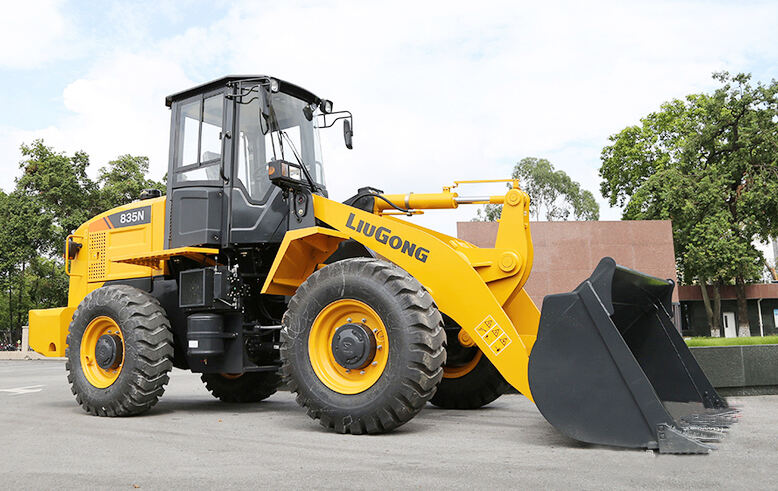
Construction and earthmoving professionals face countless equipment decisions that can significantly impact project success and operational efficiency. Among the most critical choices is selecting between a wheeled loader and a track loader for specific applications. Each machine type offers distinct advantages and limitations that make them suitable for different terrain conditions, project requirements, and operational environments. Understanding these differences is essential for making informed equipment decisions that optimize productivity while minimizing operational costs.
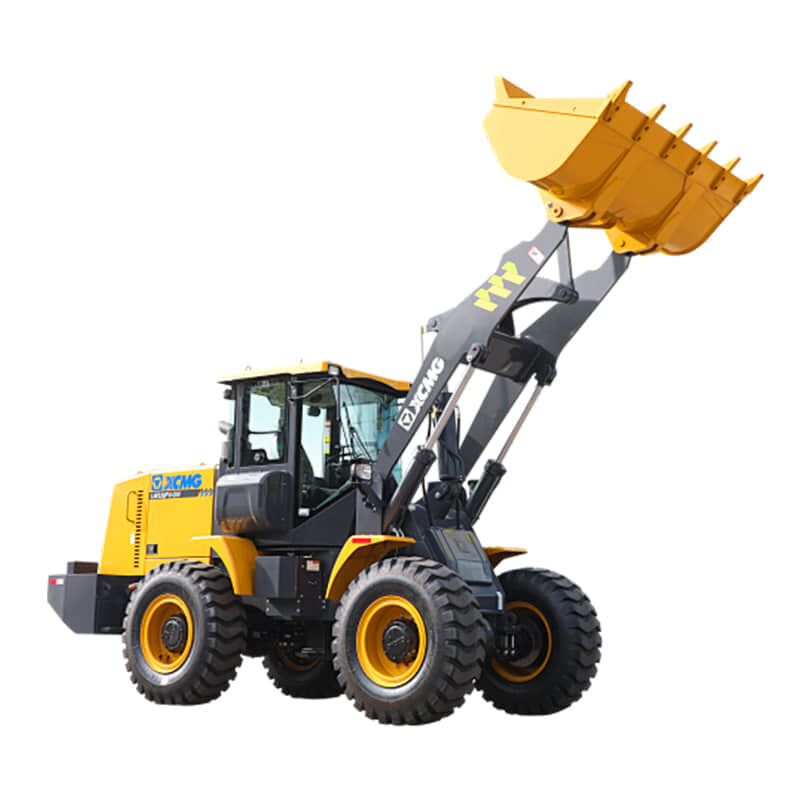
Understanding Wheeled Loader Fundamentals
Design Characteristics and Operating Principles
A wheeled loader operates on four large rubber tires that provide excellent mobility and versatility across various surface types. The wheeled loader design incorporates a front-mounted bucket connected to lifting arms, enabling efficient material handling, loading, and transport operations. These machines typically feature articulated steering systems that allow tight turning radiuses while maintaining stability during operation. The wheeled loader configuration offers superior speed and maneuverability compared to tracked alternatives, making them ideal for applications requiring frequent repositioning and transportation between work areas.
Modern wheeled loader systems integrate advanced hydraulic controls that provide precise bucket positioning and smooth operation cycles. The rubber tire configuration allows wheeled loader machines to operate on paved surfaces without causing damage, making them suitable for urban construction projects and facility maintenance operations. Engine placement and weight distribution in wheeled loader designs optimize balance and stability while maintaining accessibility for routine maintenance and service procedures.
Performance Capabilities and Operational Advantages
The wheeled loader excels in applications requiring high mobility and frequent relocation between job sites or work areas. Speed capabilities of wheeled loader machines typically range from 15 to 25 miles per hour, enabling efficient transportation and reduced cycle times in loading operations. The wheeled loader design provides excellent fuel efficiency compared to tracked alternatives, particularly during extended transportation phases and highway travel requirements.
Operational versatility represents a key strength of wheeled loader equipment, as these machines can efficiently handle diverse materials including aggregates, soil, debris, and bulk commodities. The wheeled loader configuration enables quick attachment changes, allowing operators to utilize various implements such as forks, grapples, and specialty buckets for different applications. This adaptability makes wheeled loader machines cost-effective solutions for contractors handling multiple project types and material handling requirements.
Track Loader Design and Applications
Tracked Undercarriage Benefits
Track loaders utilize continuous rubber or steel track systems that distribute machine weight over a larger surface area compared to wheeled configurations. This design characteristic provides superior ground contact and reduced ground pressure, making track loaders ideal for soft terrain conditions where wheeled loader machines might experience traction issues or ground damage. The tracked undercarriage system enables track loaders to operate effectively on slopes, muddy conditions, and uneven surfaces that would challenge wheeled loader stability and performance.
Ground pressure distribution advantages of track loaders make them suitable for environmentally sensitive areas where soil compaction must be minimized. Track loader machines typically generate 30-50% less ground pressure than comparable wheeled loader models, reducing surface damage and environmental impact during operation. The tracked configuration also provides enhanced stability during lifting operations, allowing track loaders to handle heavier loads with greater precision and safety margins.
Specialized Applications and Performance Characteristics
Track loaders demonstrate superior performance in challenging terrain conditions including steep slopes, loose materials, and unstable ground surfaces. The continuous track contact enables track loaders to maintain traction and stability in conditions where wheeled loader machines would experience slippage or mobility limitations. Track loader applications commonly include forestry operations, demolition projects, and site preparation work requiring operation on rough or unconsolidated surfaces.
Precision control capabilities of track loaders make them valuable for detailed grading and material placement operations requiring fine positioning accuracy. The tracked undercarriage provides a stable platform for precision work, reducing operator fatigue and improving work quality in demanding applications. Track loader machines also excel in confined space operations where stability and precise maneuvering are critical for safe and efficient completion of tasks.
Comparative Analysis of Operating Costs
Initial Investment and Acquisition Costs
Purchase price differences between wheeled loader and track loader machines typically favor wheeled configurations, with wheeled loader models generally costing 10-20% less than comparable tracked alternatives. The simpler undercarriage design of wheeled loader machines contributes to lower manufacturing costs and reduced initial investment requirements. However, total cost of ownership calculations must consider operational efficiency, maintenance requirements, and application-specific productivity factors beyond initial acquisition costs.
Financing and depreciation considerations often favor wheeled loader investments due to higher resale values and broader market demand for versatile machines. The wheeled loader market typically maintains stronger residual values, making these machines attractive options for contractors requiring flexible equipment portfolios. Leasing and rental options for wheeled loader equipment often provide more favorable terms due to higher utilization rates and broader application suitability.
Maintenance and Operational Expenses
Maintenance cost differences between wheeled loader and track loader machines primarily relate to undercarriage systems and wear component replacement intervals. Wheeled loader maintenance focuses on tire replacement, which typically occurs every 1500-3000 hours depending on operating conditions and application requirements. Track loader maintenance involves track replacement at 1000-2500 hour intervals, with individual track components requiring periodic adjustment and replacement throughout the service cycle.
Fuel consumption patterns generally favor wheeled loader operations, particularly during transportation phases and extended operation cycles. The wheeled loader design typically achieves 15-25% better fuel efficiency than track loader alternatives in mixed-duty applications involving both loading and transportation tasks. However, track loaders may demonstrate superior fuel efficiency in stationary or slow-speed applications where traction advantages reduce engine loading and hydraulic demands.
Terrain Suitability and Environmental Considerations
Surface Compatibility and Ground Conditions
Wheeled loader machines excel on firm, stable surfaces including paved areas, compacted gravel, and established roadways where speed and mobility advantages can be fully utilized. The wheeled loader configuration provides optimal performance on surfaces that support tire loading without excessive penetration or traction loss. Urban construction applications and facility maintenance operations typically favor wheeled loader equipment due to surface compatibility and reduced infrastructure damage potential.
Challenging terrain conditions including soft soils, muddy areas, and steep slopes typically require track loader capabilities for safe and efficient operation. The distributed weight and continuous ground contact of track loaders enable operation in conditions where wheeled loader machines would experience mobility limitations or safety concerns. Seasonal variations and weather-dependent ground conditions often dictate equipment selection based on expected terrain challenges and operational requirements.
Environmental Impact and Regulatory Compliance
Environmental considerations increasingly influence equipment selection decisions, with track loaders offering advantages in sensitive areas requiring minimal ground disturbance. The reduced ground pressure characteristics of track loaders minimize soil compaction and surface damage compared to wheeled loader operations on soft or vulnerable surfaces. Regulatory requirements for environmental protection may mandate track loader use in specific applications or geographic areas.
Noise and emission considerations often favor modern wheeled loader designs that incorporate advanced engine technology and sound suppression systems. The wheeled loader configuration typically enables more effective implementation of emissions control systems and noise reduction measures compared to track loader alternatives. Urban and residential proximity operations may require wheeled loader equipment to meet strict noise and emission regulations while maintaining operational efficiency.
Production Efficiency and Productivity Analysis
Cycle Time and Material Handling Efficiency
Production efficiency comparisons between wheeled loader and track loader machines depend heavily on specific application requirements and operational parameters. Wheeled loader equipment typically achieves faster cycle times in applications requiring frequent positioning changes and transportation between loading and dumping locations. The speed advantage of wheeled loader machines can result in 20-30% higher productivity in suitable applications compared to track loader alternatives.
Material handling capacity and lifting performance characteristics vary between wheeled loader and track loader designs based on stability and traction factors. Track loaders often demonstrate superior lifting capacity in challenging conditions due to enhanced stability and traction characteristics. The wheeled loader design excels in applications requiring rapid bucket cycles and efficient material movement across stable surfaces where speed advantages can be maximized.
Operator Efficiency and Comfort Considerations
Operator comfort and efficiency factors significantly influence overall productivity in extended operation scenarios. Wheeled loader cabins typically provide smoother ride characteristics and reduced vibration levels compared to track loader alternatives, contributing to decreased operator fatigue and improved work quality. The wheeled loader suspension systems effectively isolate operators from ground irregularities and machine vibrations during transportation and operation phases.
Visibility and control characteristics often favor wheeled loader designs that position operators for optimal sight lines and intuitive machine control. The articulated steering system of wheeled loader machines provides responsive handling and precise positioning capabilities that enhance operator confidence and productivity. Training requirements and operator skill development typically progress more rapidly with wheeled loader equipment due to familiar automotive-style controls and handling characteristics.
Technology Integration and Future Developments
Advanced Control Systems and Automation
Modern wheeled loader designs increasingly incorporate advanced technology systems including GPS guidance, load monitoring, and automated control features that enhance productivity and operational precision. The wheeled loader platform provides an ideal foundation for technology integration due to stable electrical systems and accessible mounting locations for sensors and control components. Fleet management systems and telematics integration enable remote monitoring and optimization of wheeled loader operations across multiple job sites and applications.
Automation capabilities continue advancing in both wheeled loader and track loader designs, with autonomous operation systems becoming commercially available for specific applications. The wheeled loader configuration offers advantages for autonomous development due to predictable handling characteristics and established automotive technology foundations. Future developments in artificial intelligence and machine learning will likely accelerate autonomous capabilities for wheeled loader applications in controlled environments and repetitive operations.
Sustainability and Alternative Power Systems
Electric and hybrid power systems represent emerging technologies for wheeled loader applications, with several manufacturers developing battery-powered alternatives for specific market segments. The wheeled loader design facilitates electric power integration due to favorable weight distribution and space availability for battery systems. Sustainability initiatives and emission reduction requirements are driving innovation in alternative power systems for wheeled loader equipment across various industries and applications.
Renewable energy integration and carbon reduction goals increasingly influence equipment selection decisions, with wheeled loader manufacturers investing heavily in sustainable technology development. The operational efficiency advantages of wheeled loader machines contribute to overall sustainability objectives through reduced fuel consumption and optimized productivity. Future market developments will likely expand alternative power options for wheeled loader applications while maintaining performance and reliability standards.
FAQ
What are the main advantages of choosing a wheeled loader over a track loader
Wheeled loaders offer superior speed and mobility, achieving travel speeds of 15-25 mph compared to track loaders' 5-8 mph capability. They provide better fuel efficiency, especially during transportation phases, and can operate on paved surfaces without causing damage. Wheeled loaders also have lower initial purchase costs, higher resale values, and reduced maintenance complexity focused primarily on tire replacement rather than complex track systems.
In what conditions should I select a track loader instead of a wheeled loader
Track loaders excel in soft terrain conditions, steep slopes, and muddy environments where wheeled loaders might lose traction or cause ground damage. Choose track loaders for operations requiring minimal ground pressure, such as working on landscaped areas or environmentally sensitive sites. They also provide superior stability for precision work and heavy lifting applications where the distributed weight and continuous ground contact offer safety advantages.
How do maintenance costs compare between wheeled loaders and track loaders
Wheeled loader maintenance primarily involves tire replacement every 1500-3000 hours, which is generally less expensive and simpler than track loader maintenance. Track loaders require track replacement every 1000-2500 hours, along with ongoing maintenance of individual track components, tensioning systems, and undercarriage elements. Overall, wheeled loaders typically have 15-20% lower annual maintenance costs, though this varies based on operating conditions and application intensity.
Can wheeled loaders handle the same lifting capacity as track loaders
While both machine types are available in similar size classes, track loaders often provide superior lifting performance in challenging conditions due to their enhanced stability and traction characteristics. Wheeled loaders can match or exceed track loader lifting capacity on firm, level surfaces where their design advantages are optimized. The key difference lies in operational stability, with track loaders maintaining lifting performance across a broader range of ground conditions and slope angles than wheeled loaders.
Table of Contents
- Understanding Wheeled Loader Fundamentals
- Track Loader Design and Applications
- Comparative Analysis of Operating Costs
- Terrain Suitability and Environmental Considerations
- Production Efficiency and Productivity Analysis
- Technology Integration and Future Developments
-
FAQ
- What are the main advantages of choosing a wheeled loader over a track loader
- In what conditions should I select a track loader instead of a wheeled loader
- How do maintenance costs compare between wheeled loaders and track loaders
- Can wheeled loaders handle the same lifting capacity as track loaders