
 EN
EN
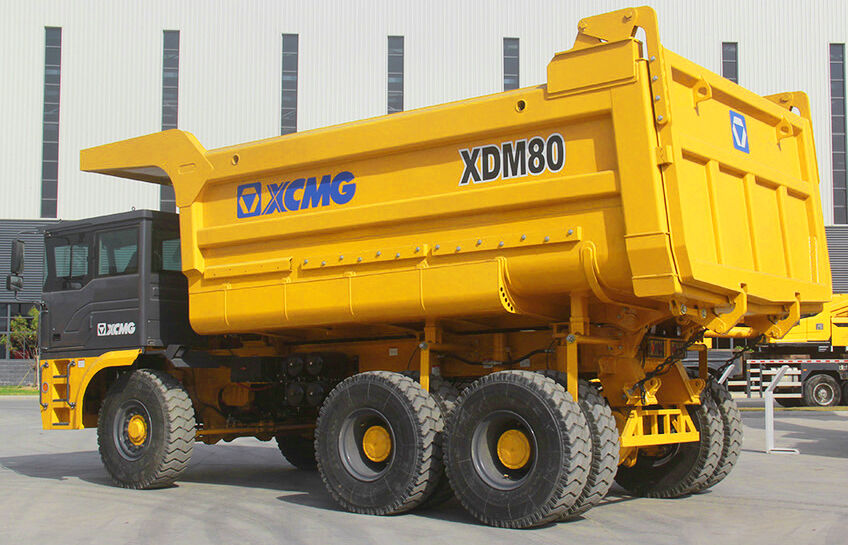
Operating a dump truck in today's construction and mining industries requires careful financial planning and cost analysis. As we approach 2025, fleet managers and owner-operators face evolving economic pressures that directly impact profitability. Understanding the comprehensive cost structure of dump truck operations enables better decision-making and helps maintain competitive advantage in an increasingly demanding market. These operating expenses encompass everything from initial acquisition costs to daily maintenance requirements, fuel consumption, and regulatory compliance.
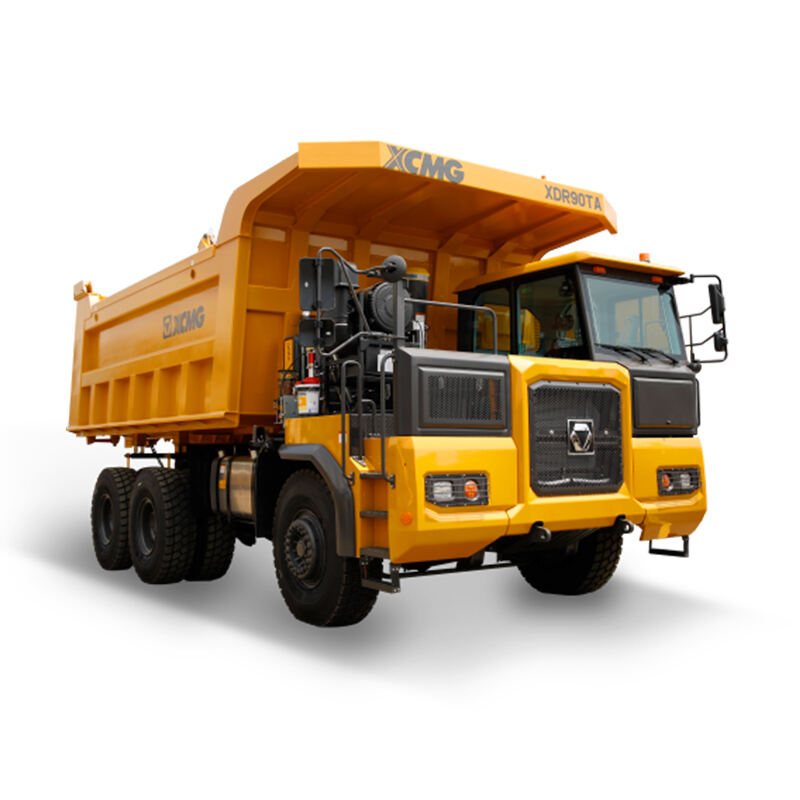
The complexity of dump truck operating costs extends beyond simple fuel and maintenance calculations. Modern fleet operations must account for technological upgrades, environmental compliance standards, insurance fluctuations, and labor market changes. Industry professionals recognize that accurate cost forecasting directly correlates with project bidding success and long-term business sustainability. Companies that master these financial fundamentals position themselves for growth while those who underestimate operating expenses often struggle with cash flow issues.
Initial Investment and Acquisition Costs
New Dump Truck Purchase Considerations
Purchasing a new dump truck represents a significant capital investment that varies considerably based on specifications, manufacturer, and intended application. Standard highway dump trucks typically range from $150,000 to $300,000, while specialized off-road mining vehicles can exceed $500,000. The initial purchase price includes base vehicle configuration, engine specifications, transmission type, and standard safety equipment required for commercial operation.
Financing options significantly impact the total cost of ownership for dump truck operations. Traditional bank loans, equipment financing, and lease agreements each offer different advantages depending on cash flow requirements and tax considerations. Many operators choose financing terms between 60 to 84 months to balance monthly payments with depreciation schedules. Interest rates for commercial vehicle financing currently range from 6% to 12%, depending on creditworthiness and down payment amounts.
Used Equipment Market Analysis
The used dump truck market provides cost-effective alternatives for budget-conscious operators, though careful evaluation remains essential. Quality used vehicles typically cost 40% to 60% less than new equivalents, depending on age, mileage, and maintenance history. However, buyers must consider potential repair costs, remaining warranty coverage, and expected service life when calculating true value propositions.
Pre-purchase inspections become critical when acquiring used dump trucks, as hidden mechanical issues can quickly eliminate initial savings. Professional evaluations should examine engine condition, hydraulic systems, structural integrity, and compliance with current emissions standards. Documentation review including maintenance records, accident history, and previous usage patterns helps predict future operating costs and reliability expectations.
Fuel Costs and Consumption Patterns
Average Fuel Consumption Rates
Fuel consumption represents one of the largest ongoing expenses for dump truck operations, typically accounting for 20% to 30% of total operating costs. Standard highway dump trucks average 6 to 8 miles per gallon under normal operating conditions, while heavy-duty off-road units may consume significantly more fuel due to challenging terrain and constant loading cycles. Factors affecting consumption include payload weight, route characteristics, driver behavior, and vehicle maintenance standards.
Fuel efficiency optimization requires systematic monitoring and driver training programs focused on economical operating techniques. Modern dump truck fleets utilize telematics systems to track consumption patterns, identify inefficient routes, and monitor driver performance metrics. These technologies enable fleet managers to implement targeted improvements that can reduce fuel costs by 10% to 15% through optimized routing, reduced idle time, and improved driving habits.
Fuel Price Volatility Management
Diesel fuel price fluctuations create significant budgeting challenges for dump truck operators, requiring strategic approaches to cost management. Fuel surcharge clauses in customer contracts help offset price increases, while bulk purchasing agreements and fuel cards can provide modest discounts. Some operators hedge fuel costs through financial instruments, though this approach requires sophisticated risk management capabilities.
Regional fuel price variations also impact operating profitability, particularly for long-haul operations crossing multiple markets. Operators must factor these differences into route planning and customer pricing strategies. Additionally, alternative fuel technologies including compressed natural gas and electric powertrains are gaining consideration, though infrastructure limitations currently restrict widespread adoption in most markets.
Maintenance and Repair Expenses
Preventive Maintenance Programs
Systematic preventive maintenance programs form the foundation of cost-effective dump truck operations, preventing expensive breakdowns while extending vehicle service life. Regular maintenance schedules typically include engine oil changes every 10,000 to 15,000 miles, transmission service at specified intervals, and comprehensive hydraulic system inspections. Annual maintenance costs generally range from $15,000 to $25,000 per vehicle, depending on usage intensity and maintenance quality.
Modern dump truck maintenance incorporates predictive technologies that monitor component condition in real-time, enabling proactive replacement before failures occur. Oil analysis programs detect engine wear patterns, while vibration monitoring identifies bearing and drivetrain issues before costly damage results. These advanced maintenance approaches require higher initial investment but typically reduce total maintenance costs by preventing catastrophic failures and minimizing unscheduled downtime.
Component Replacement and Repair Costs
Major component replacements represent significant unscheduled expenses that can dramatically impact annual operating budgets. Engine rebuilds or replacements typically cost $25,000 to $50,000, while transmission overhauls range from $8,000 to $15,000. Dump body repairs, hydraulic cylinder replacement, and structural welding add additional costs that vary based on usage conditions and operator maintenance practices.
Tire replacement costs deserve special attention in dump truck operations, as these components experience severe wear under heavy load conditions. Commercial truck tires cost $400 to $800 each, with complete replacement sets ranging from $2,400 to $4,800. Tire life varies dramatically based on road conditions, load distribution, inflation maintenance, and driving techniques. Proper tire management programs including rotation schedules and pressure monitoring can extend tire life by 20% to 30%.
Insurance and Regulatory Compliance
Commercial Insurance Requirements
Commercial dump truck insurance represents a substantial fixed cost that varies based on coverage limits, deductible amounts, and operator safety records. Typical annual premiums range from $8,000 to $15,000 per vehicle for comprehensive coverage including liability, physical damage, and cargo protection. Factors affecting insurance costs include driver experience, safety training completion, vehicle age, and claims history over preceding years.
Risk management practices directly impact insurance premiums through safety incentive programs offered by many carriers. Fleet safety training, regular vehicle inspections, and driver monitoring systems can qualify for significant premium discounts. Additionally, higher deductibles reduce premium costs but require adequate cash reserves to handle potential claims without disrupting operations.
DOT Compliance and Licensing Costs
Department of Transportation compliance requirements generate ongoing costs including commercial driver license maintenance, vehicle registration fees, and mandatory inspection programs. CDL training and testing costs approximately $3,000 to $5,000 per driver, while annual license renewals and medical certifications add recurring expenses. Fleet operators must also budget for DOT vehicle inspections, safety audits, and potential violation penalties.
Electronic logging device mandates have introduced additional compliance costs including equipment purchase, installation, and ongoing service fees. These systems typically cost $300 to $600 per vehicle annually, though they provide valuable operational data beyond regulatory compliance. Hours of service monitoring helps optimize driver utilization while reducing overtime expenses and improving customer service reliability.
Labor and Operational Expenses
Driver Compensation and Benefits
Dump truck driver compensation represents a major operational expense that has increased significantly due to industry-wide labor shortages. Experienced commercial drivers typically earn $50,000 to $75,000 annually, with benefits packages adding 25% to 40% to total labor costs. Regional wage variations, overtime requirements, and productivity bonuses further complicate budgeting for labor expenses in dump truck operations.
Driver retention strategies require competitive compensation packages including health insurance, retirement contributions, and performance incentives. Training programs for new drivers add initial costs but improve safety records and reduce turnover expenses. Companies investing in driver development and career advancement opportunities typically achieve better retention rates and lower recruitment costs over time.
Administrative and Overhead Costs
Administrative expenses supporting dump truck operations include dispatch systems, billing software, fleet management platforms, and office personnel. These overhead costs typically represent 8% to 12% of total operating expenses but vary significantly based on fleet size and operational complexity. Technology investments in GPS tracking, load monitoring, and customer communication systems improve efficiency while adding to administrative budgets.
Facility costs including parking, maintenance bays, parts storage, and office space require careful consideration in operational planning. Many operators lease facilities to reduce capital requirements, though purchase options may provide better long-term value in stable markets. Utility costs, property taxes, and facility insurance add to the total cost structure that must be factored into customer pricing strategies.
Technology and Equipment Upgrades
Telematics and Fleet Management Systems
Modern dump truck operations increasingly rely on sophisticated telematics systems that monitor vehicle performance, track location data, and optimize routing efficiency. These systems typically cost $30 to $50 per vehicle monthly but provide valuable insights that can reduce operating costs through improved fuel efficiency, reduced maintenance expenses, and enhanced customer service capabilities.
Fleet management platforms integrate multiple data sources including GPS tracking, engine diagnostics, driver behavior monitoring, and customer communication tools. Advanced systems provide predictive analytics that help identify potential issues before they impact operations. While initial implementation requires significant investment and staff training, the long-term benefits typically justify costs through improved operational efficiency and reduced emergency repairs.
Safety and Productivity Enhancements
Safety technology upgrades including backup cameras, collision avoidance systems, and load monitoring equipment represent important investments that reduce liability risks while improving operational efficiency. These systems typically cost $2,000 to $5,000 per vehicle but can prevent costly accidents and insurance claims. Productivity enhancements such as automated tarping systems and hydraulic tailgate controls improve cycle times while reducing driver fatigue.
Dump truck productivity improvements through technology adoption often provide measurable returns on investment through increased daily hauling capacity. Load weighing systems prevent overloading violations while maximizing payload efficiency. GPS routing optimization reduces travel time and fuel consumption, while automated reporting systems eliminate manual paperwork and improve billing accuracy.
FAQ
What is the average annual operating cost for a dump truck
The average annual operating cost for a dump truck typically ranges from $120,000 to $180,000, depending on usage intensity, fuel prices, and maintenance requirements. This includes fuel, maintenance, insurance, driver wages, and depreciation. High-utilization operations may experience costs at the upper end of this range, while occasional-use vehicles often fall toward the lower end.
How much does dump truck fuel consumption impact total operating costs
Fuel consumption typically represents 25% to 35% of total dump truck operating costs, making it one of the largest expense categories. A typical dump truck consuming 2,000 gallons monthly at $4 per gallon generates $96,000 in annual fuel costs. Fuel efficiency improvements through driver training and route optimization can significantly impact overall profitability.
What maintenance costs should I expect for a new dump truck
New dump truck maintenance costs typically start around $0.15 to $0.25 per mile during the first year, increasing as the vehicle ages. Annual maintenance expenses for a new dump truck generally range from $12,000 to $18,000, including routine service, tire replacement, and minor repairs. Preventive maintenance programs help control these costs while extending vehicle service life.
How do dump truck insurance costs vary by operation type
Dump truck insurance costs vary significantly based on cargo type, operating radius, and safety record. Local construction hauling typically costs $8,000 to $12,000 annually per vehicle, while long-haul or hazardous material transport can exceed $15,000. Safety programs, driver training, and modern safety equipment often qualify for premium discounts of 10% to 20%.