
 EN
EN
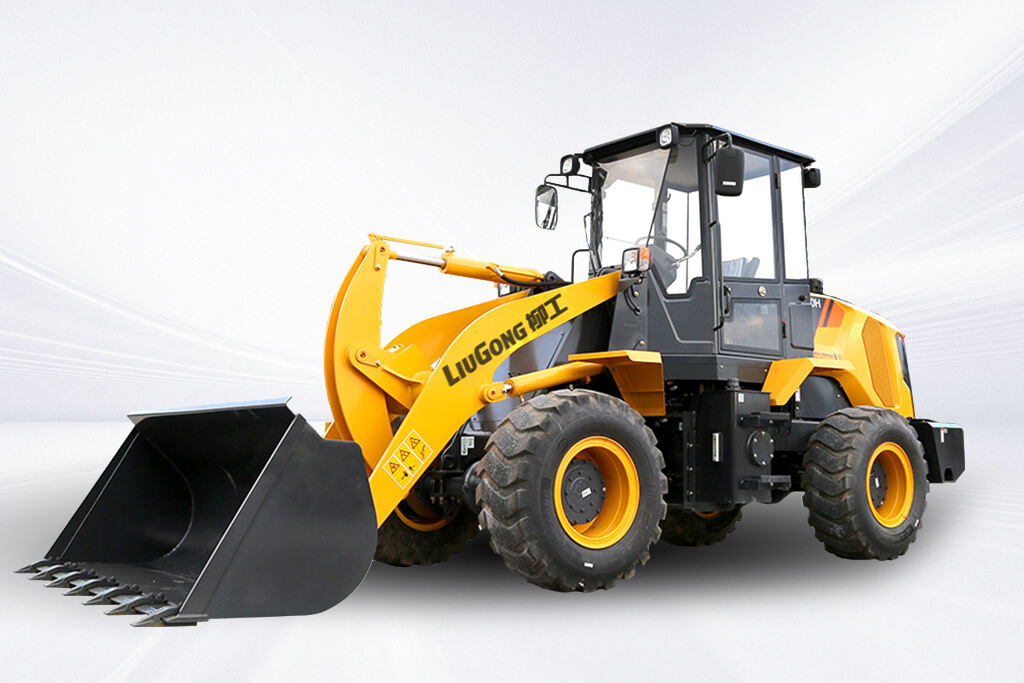
Effective wheeled loader maintenance is crucial for maximizing equipment lifespan, minimizing downtime, and ensuring optimal performance on construction and industrial sites. A well-maintained wheeled loader operates more efficiently, consumes less fuel, and experiences fewer unexpected breakdowns that can halt project timelines. Understanding proper maintenance protocols not only protects your investment but also enhances operator safety and productivity across various applications.
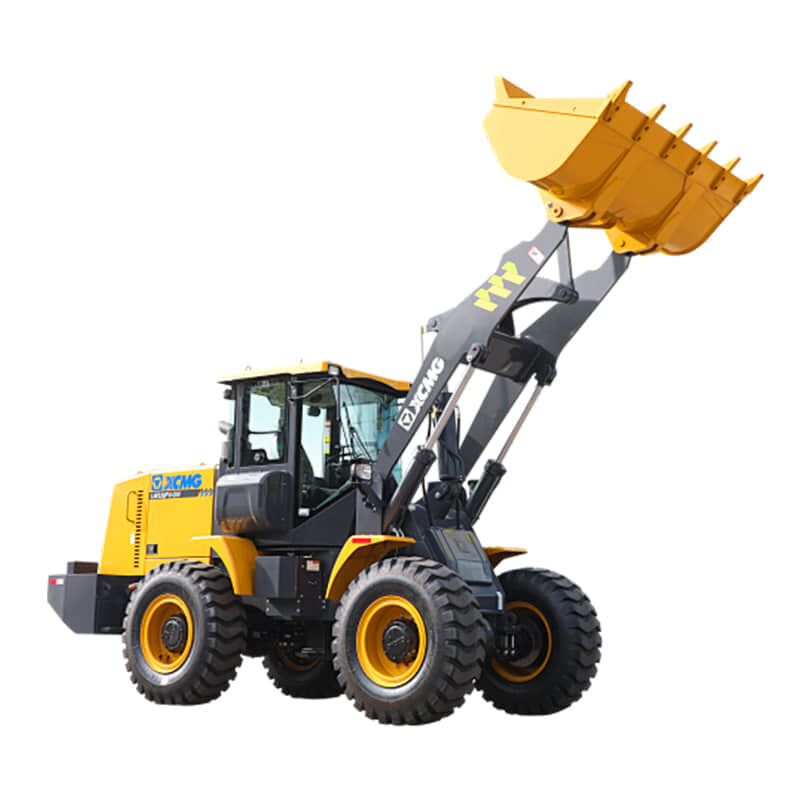
Modern wheeled loader systems incorporate sophisticated hydraulics, advanced transmission components, and complex electronic controls that require specialized attention. Regular maintenance extends beyond simple oil changes to include comprehensive system diagnostics, component inspections, and preventive replacements. Professional operators recognize that consistent maintenance practices directly correlate with reduced operating costs and increased equipment reliability throughout demanding work cycles.
Daily Inspection Protocols
Pre-Operation Visual Assessment
Every wheeled loader should undergo thorough visual inspection before operation begins. Check for hydraulic fluid leaks around cylinders, hoses, and connections, as even minor leaks can indicate potential system failures. Examine tire condition for proper inflation, tread wear patterns, and sidewall damage that could compromise stability during material handling operations. Inspect the bucket and cutting edge for excessive wear or damage that might affect loading efficiency.
Operators must verify that all safety features function correctly, including backup alarms, warning lights, and operator restraint systems. Document any abnormalities in maintenance logs to establish patterns that might indicate developing issues. Visual inspections should extend to checking fluid levels in transparent reservoirs and identifying any unusual wear patterns on high-stress components.
Fluid Level Verification
Proper fluid levels maintain optimal wheeled loader performance across all operating systems. Engine oil should be checked with the machine on level ground and engine off for accurate readings. Hydraulic fluid levels require specific procedures depending on system temperature and cylinder positions, as outlined in manufacturer specifications.
Coolant levels must be verified when the engine is cool to prevent injury from pressurized systems. Transmission fluid checks often require specific operating temperatures and procedures unique to each wheeled loader model. Maintaining accurate fluid level records helps identify consumption patterns that might indicate internal wear or external leaks requiring immediate attention.
Engine Maintenance Excellence
Oil Change Intervals and Specifications
Engine oil changes represent the most critical maintenance activity for any wheeled loader. Oil change intervals depend on operating conditions, with dusty environments requiring more frequent changes than clean applications. High-quality engine oil provides lubrication, cooling, and contamination removal essential for engine longevity and performance.
Select engine oils meeting manufacturer viscosity and performance specifications for your specific wheeled loader model. Cold weather operations may require different oil grades than hot climate applications. Oil filter replacements should accompany every oil change to ensure maximum filtration efficiency and prevent contaminated oil circulation through critical engine components.
Air Filter System Management
Air filtration systems protect engines from harmful particulates that cause premature wear and reduced performance. Primary air filters require regular inspection and cleaning or replacement based on operating environment conditions. Secondary safety filters provide backup protection when primary filters become saturated or damaged during operation.
Monitor air filter restriction indicators to determine optimal replacement timing for your wheeled loader. Dusty construction sites may require daily filter inspection, while cleaner environments allow longer intervals between maintenance. Proper filter installation prevents unfiltered air from entering the engine and causing catastrophic damage to internal components.
Hydraulic System Optimization
Hydraulic Fluid Quality Control
Hydraulic systems power critical functions including bucket operation, steering, and transmission controls in modern wheeled loader designs. Hydraulic fluid quality directly impacts system performance, component life, and operational reliability. Regular fluid analysis identifies contamination levels, additive depletion, and potential system problems before they cause expensive failures.
Temperature management prevents hydraulic fluid breakdown that reduces lubrication properties and increases component wear. Monitor operating temperatures and investigate causes of overheating such as restricted coolers, excessive system pressure, or inadequate fluid levels. Quality hydraulic fluids maintain consistent viscosity across temperature ranges and provide superior protection against wear and corrosion.
Filter Replacement Strategies
Hydraulic filters remove contaminants that cause component damage and system malfunctions. Return filters capture particles generated by normal system operation, while suction strainers prevent large debris from entering pumps. Pressure filters protect sensitive components from contamination during high-pressure operations.
Establish filter replacement schedules based on operating hours and contamination levels rather than calendar intervals. Severely contaminated systems may require multiple filter changes to achieve acceptable cleanliness levels. Monitor differential pressure across filters to optimize replacement timing and prevent bypass valve activation that allows unfiltered fluid circulation.
Transmission and Drivetrain Care
Transmission Fluid Management
Transmission systems in wheeled loader applications experience extreme operating conditions including frequent direction changes, heavy loads, and variable terrain. Transmission fluid provides lubrication, hydraulic control, and heat dissipation essential for smooth operation and component longevity. Regular fluid changes prevent deposit formation and maintain proper additive levels.
Monitor transmission temperatures during operation to identify potential problems such as restricted coolers or excessive loading. High temperatures accelerate fluid degradation and can cause seal failures that lead to expensive repairs. Wheeled loader transmission maintenance requires specific procedures for checking fluid levels and temperatures outlined in service manuals.
Axle and Differential Servicing
Axle assemblies and differentials transfer power from the transmission to wheels while accommodating steering angles and speed variations. Gear oil provides lubrication and cooling for heavily loaded components operating under extreme conditions. Regular oil changes remove contamination and maintain proper additive levels essential for component protection.
Inspect axle seals for leaks that indicate potential bearing problems or excessive wear. Differential lock systems require periodic operation and inspection to ensure proper function when maximum traction is needed. Wheel bearing maintenance includes proper torque specifications and lubrication intervals specific to your wheeled loader model.
Cooling System Maintenance
Radiator and Heat Exchanger Care
Cooling systems maintain optimal operating temperatures for engines, hydraulic systems, and transmissions in wheeled loader applications. Radiator cores accumulate debris that restricts airflow and reduces cooling efficiency, leading to overheating and component damage. Regular cleaning removes dirt, chaff, and other contaminants that block cooling passages.
Heat exchangers require specific cleaning procedures to prevent damage to delicate fins and cores. High-pressure water cleaning may damage cooling components, while insufficient cleaning fails to restore proper heat transfer. Monitor coolant temperatures and investigate causes of overheating before permanent damage occurs to expensive engine or hydraulic components.
Coolant System Integrity
Engine coolant provides freeze protection, corrosion inhibition, and heat transfer properties essential for wheeled loader operation. Coolant concentration testing ensures proper freeze protection and corrosion inhibitor levels throughout seasonal temperature variations. Contaminated coolant causes internal corrosion that leads to expensive engine repairs and system failures.
Pressure test cooling systems periodically to identify leaks before they cause overheating situations. Thermostat operation affects engine warm-up times and operating temperatures, requiring replacement when malfunctioning. Water pump inspection includes checking for leaks, bearing wear, and impeller damage that reduces circulation and cooling effectiveness.
Tire and Wheel Maintenance
Tire Pressure and Wear Monitoring
Proper tire pressure ensures optimal contact patch, even wear distribution, and maximum traction for wheeled loader operations. Under-inflation causes excessive sidewall flexing, heat buildup, and premature tire failure. Over-inflation reduces contact area, increases impact damage risk, and creates uneven wear patterns that shorten tire life.
Regular tire pressure checks should occur when tires are cool for accurate readings. Inspect tires for cuts, punctures, and unusual wear patterns that indicate alignment problems or operating condition issues. Tire rotation programs help achieve even wear across all positions and maximize overall tire life in wheeled loader applications.
Wheel Assembly Inspection
Wheel assemblies must withstand extreme loads and impacts typical in construction and industrial environments. Inspect wheel nuts for proper torque specifications and signs of loosening that could cause wheel separation. Check for rim damage, cracks, or deformation that compromises structural integrity and tire mounting effectiveness.
Valve stems require periodic inspection and replacement to prevent air leaks that cause pressure loss. Wheel bearing assemblies need proper lubrication and adjustment to prevent premature failure and ensure smooth operation. Document wheel assembly maintenance activities to track component life and replacement intervals for your wheeled loader fleet.
Electrical System Diagnostics
Battery and Charging System Health
Electrical systems power essential functions including engine starting, instrumentation, and electronic controls in modern wheeled loader designs. Battery condition affects starting reliability and electronic system operation, particularly in extreme temperature conditions. Regular battery testing identifies declining capacity before complete failure occurs.
Charging system inspection ensures proper battery maintenance and prevents electrical component damage from over or under-charging conditions. Clean battery terminals prevent corrosion that causes poor connections and electrical problems. Monitor alternator output and belt condition to ensure reliable charging system operation throughout demanding work cycles.
Wiring Harness and Connection Integrity
Wiring harnesses experience vibration, moisture, and temperature extremes that cause connection problems and wire damage. Inspect connectors for corrosion, moisture intrusion, and proper seating that ensures reliable electrical connections. Protect exposed wiring from abrasion and damage that could cause shorts or open circuits.
Electronic control modules require proper mounting and environmental protection to function reliably in harsh operating conditions. Ground connections must remain clean and tight to prevent electrical system malfunctions. Document electrical system maintenance to identify recurring problems that might indicate design issues or improper repair procedures affecting wheeled loader operation.
Preventive Maintenance Scheduling
Hour-Based Service Intervals
Effective wheeled loader maintenance relies on systematic scheduling based on operating hours rather than calendar dates. Hour meters provide accurate service interval tracking that reflects actual machine usage and wear patterns. Different components require varying service frequencies based on operating severity and manufacturer recommendations.
Create detailed maintenance schedules encompassing daily inspections, weekly services, and major overhauls to ensure comprehensive coverage. Track maintenance completion using digital systems or paper logs that provide historical records for warranty claims and resale documentation. Consistent adherence to scheduled maintenance prevents major failures and extends wheeled loader service life.
Condition-Based Monitoring
Advanced maintenance strategies incorporate condition monitoring technologies that assess component health in real-time. Vibration analysis identifies bearing problems, misalignment, and other mechanical issues before they cause failures. Oil analysis reveals internal wear rates, contamination levels, and additive depletion that guides maintenance decisions.
Temperature monitoring helps identify cooling system problems, bearing failures, and hydraulic issues that affect wheeled loader performance. Pressure testing reveals seal wear, pump deterioration, and system inefficiencies that increase operating costs. Combine condition monitoring with traditional maintenance intervals for optimal reliability and cost control.
FAQ
How often should I change the engine oil in my wheeled loader
Engine oil change intervals for wheeled loaders typically range from 250 to 500 operating hours, depending on operating conditions and oil quality. Severe duty applications including dusty environments, high ambient temperatures, or extended idling may require more frequent changes. Always consult your specific wheeled loader service manual for manufacturer-recommended intervals and use high-quality oils meeting required specifications for optimal engine protection and performance.
What are the signs that my wheeled loader hydraulic system needs attention
Common indicators of hydraulic system problems include slow or erratic bucket operation, excessive noise during operation, visible fluid leaks around cylinders or hoses, and elevated hydraulic fluid temperatures. Foamy or discolored hydraulic fluid suggests contamination or overheating that requires immediate attention. If your wheeled loader experiences reduced lift capacity or jerky movements, schedule hydraulic system inspection to prevent costly component failures.
When should I replace the air filter on my wheeled loader
Air filter replacement timing depends on operating environment and restriction indicator readings rather than fixed hour intervals. Most wheeled loaders include air filter restriction gauges that signal when replacement is needed. In extremely dusty conditions, daily filter inspection may be necessary, while clean environments allow longer intervals. Replace primary filters when restriction indicators show red zones and always replace secondary safety filters during major services.
How can I extend the life of my wheeled loader tires
Maximize wheeled loader tire life through proper inflation pressure maintenance, regular rotation schedules, and careful operating practices. Check tire pressure weekly when tires are cool and maintain manufacturer-specified pressures for your load conditions. Avoid sharp turns at high speeds, minimize operation on abrasive surfaces when possible, and inspect tires regularly for cuts or damage that could lead to failures. Proper wheel alignment and suspension maintenance also contribute significantly to even tire wear and extended service life.